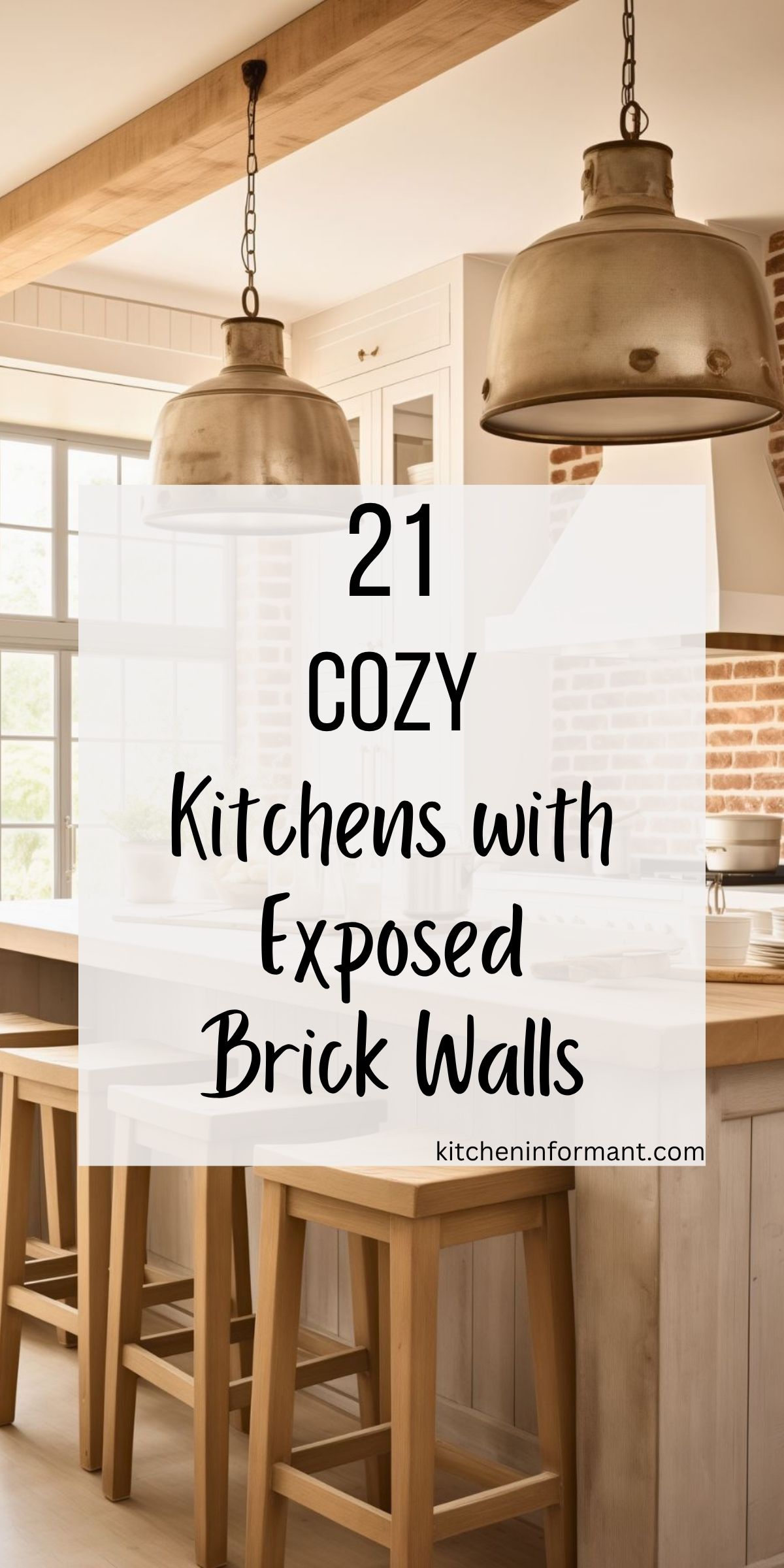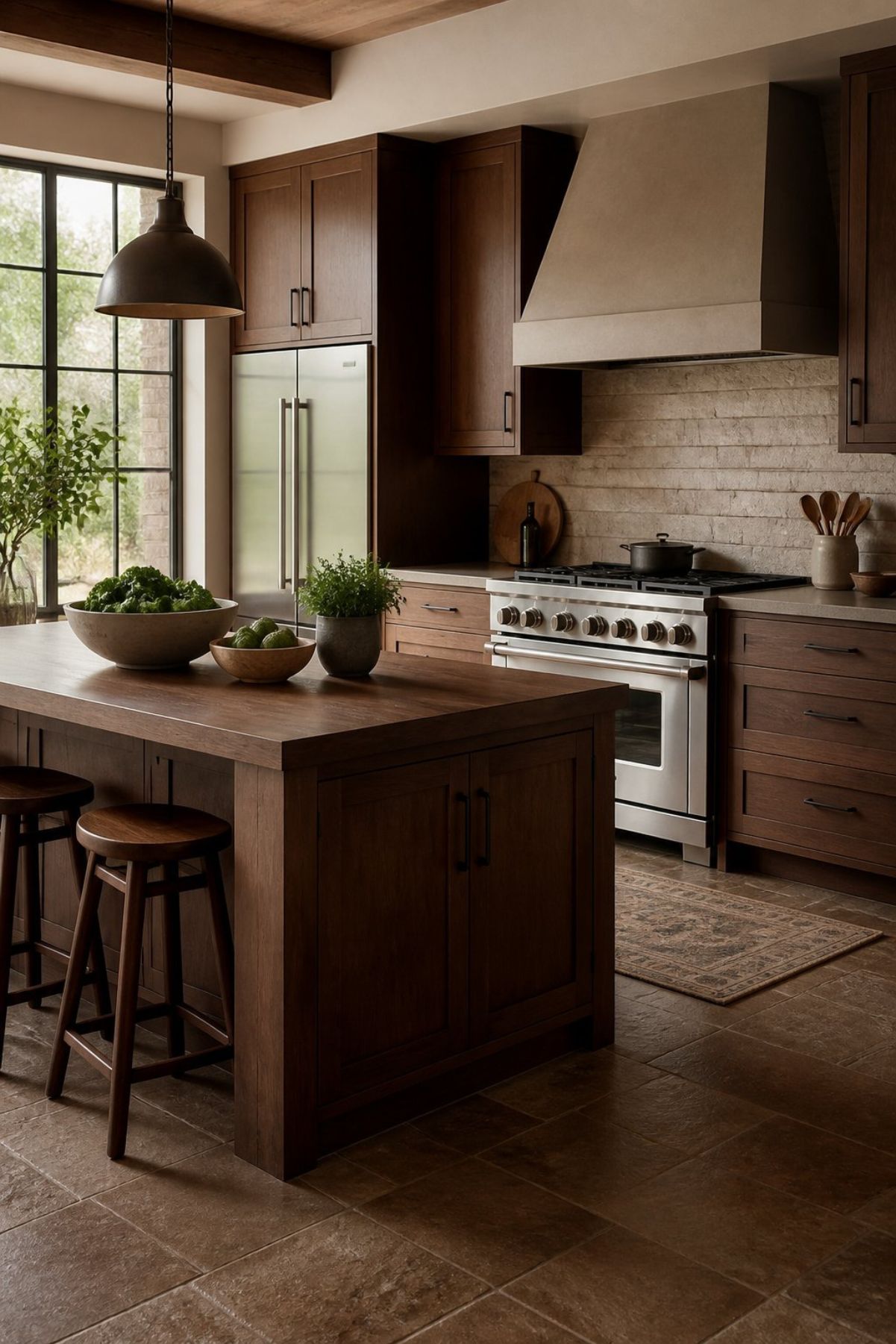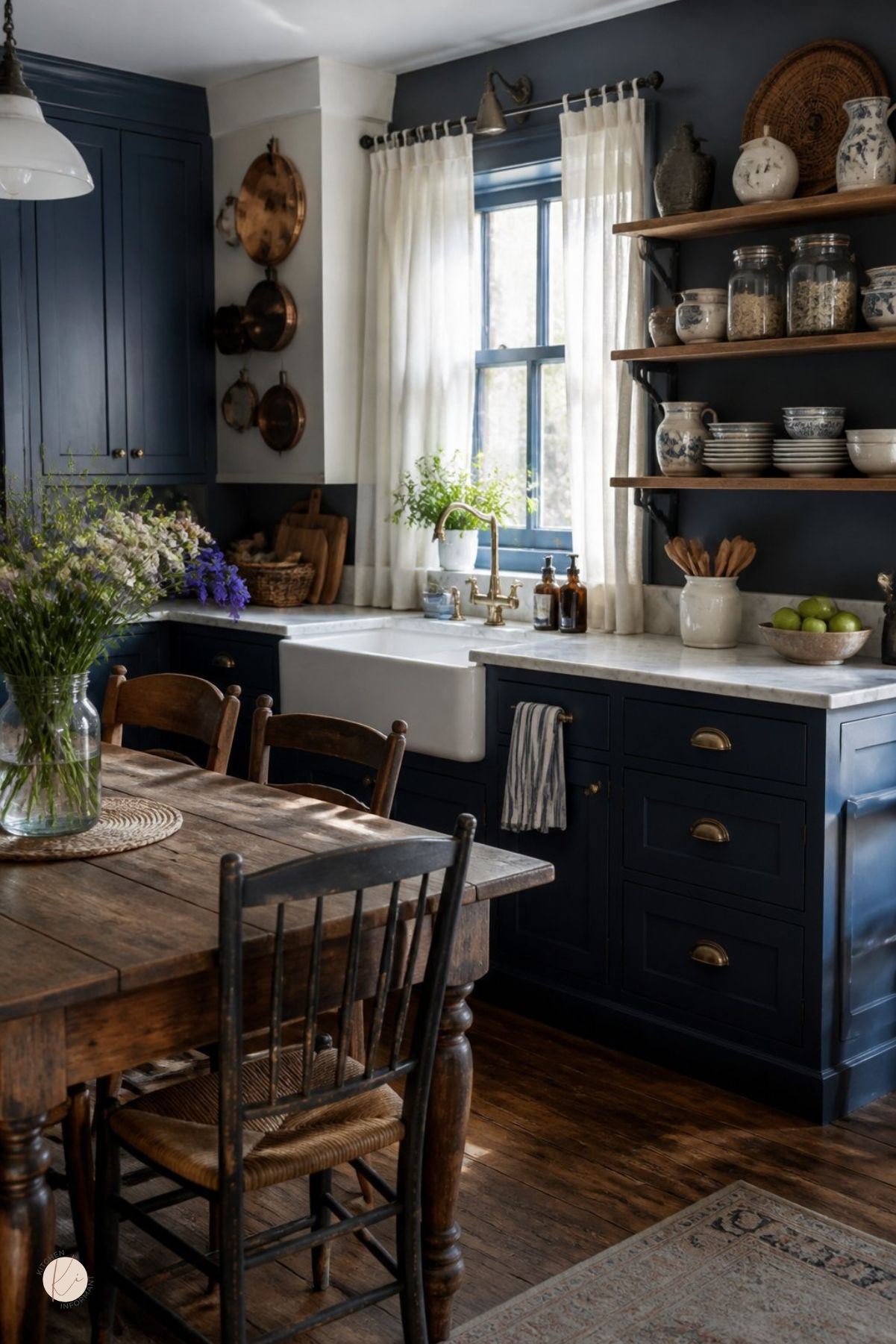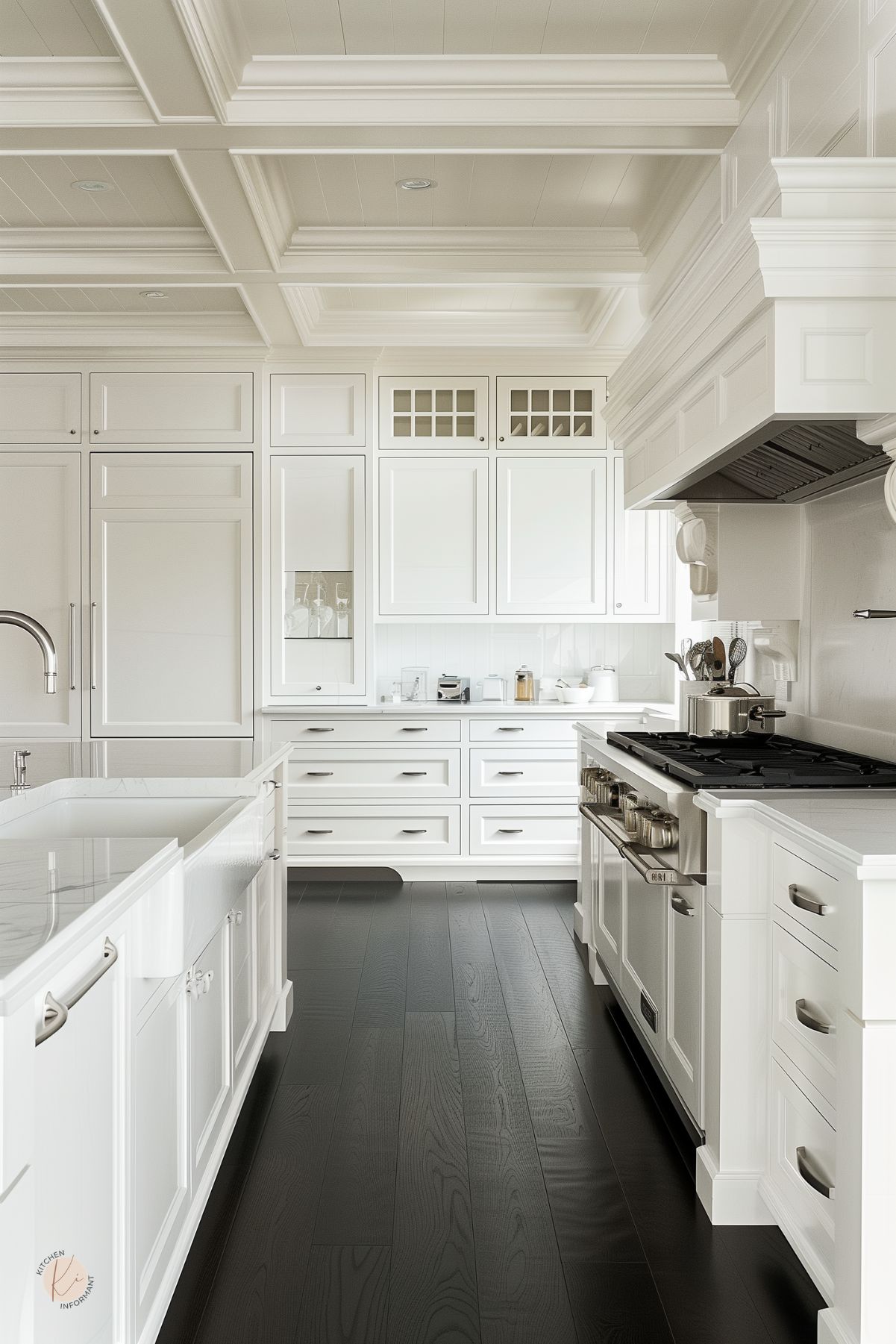
Exposed brick walls in the kitchen can transform the space with their unique charm and warmth.
A kitchen featuring an exposed brick wall becomes a stunning focal point that can impress guests and inspire creativity in cooking.
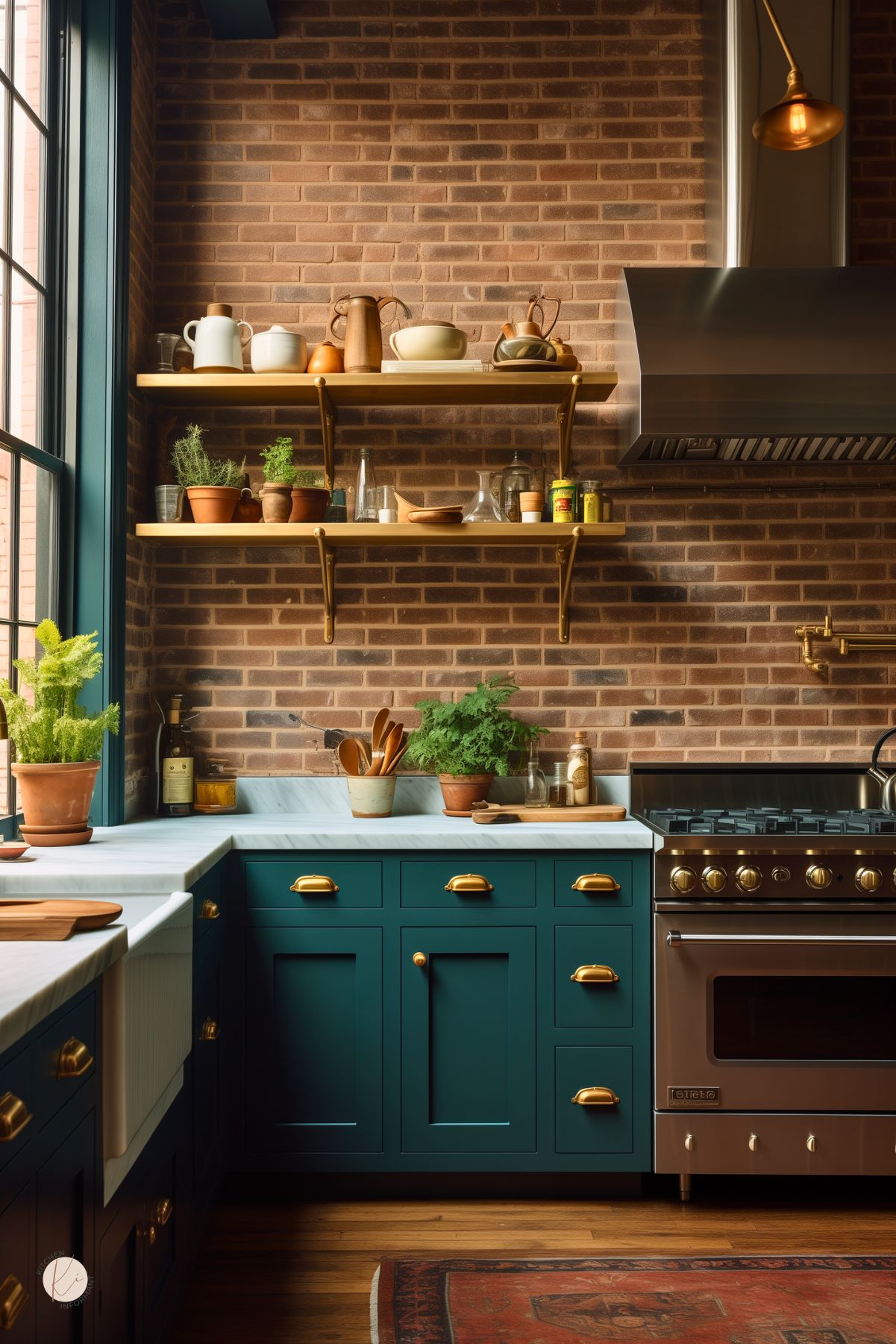
In addition to their aesthetic appeal, exposed brick walls are flexible in style and can fit a variety of themes.
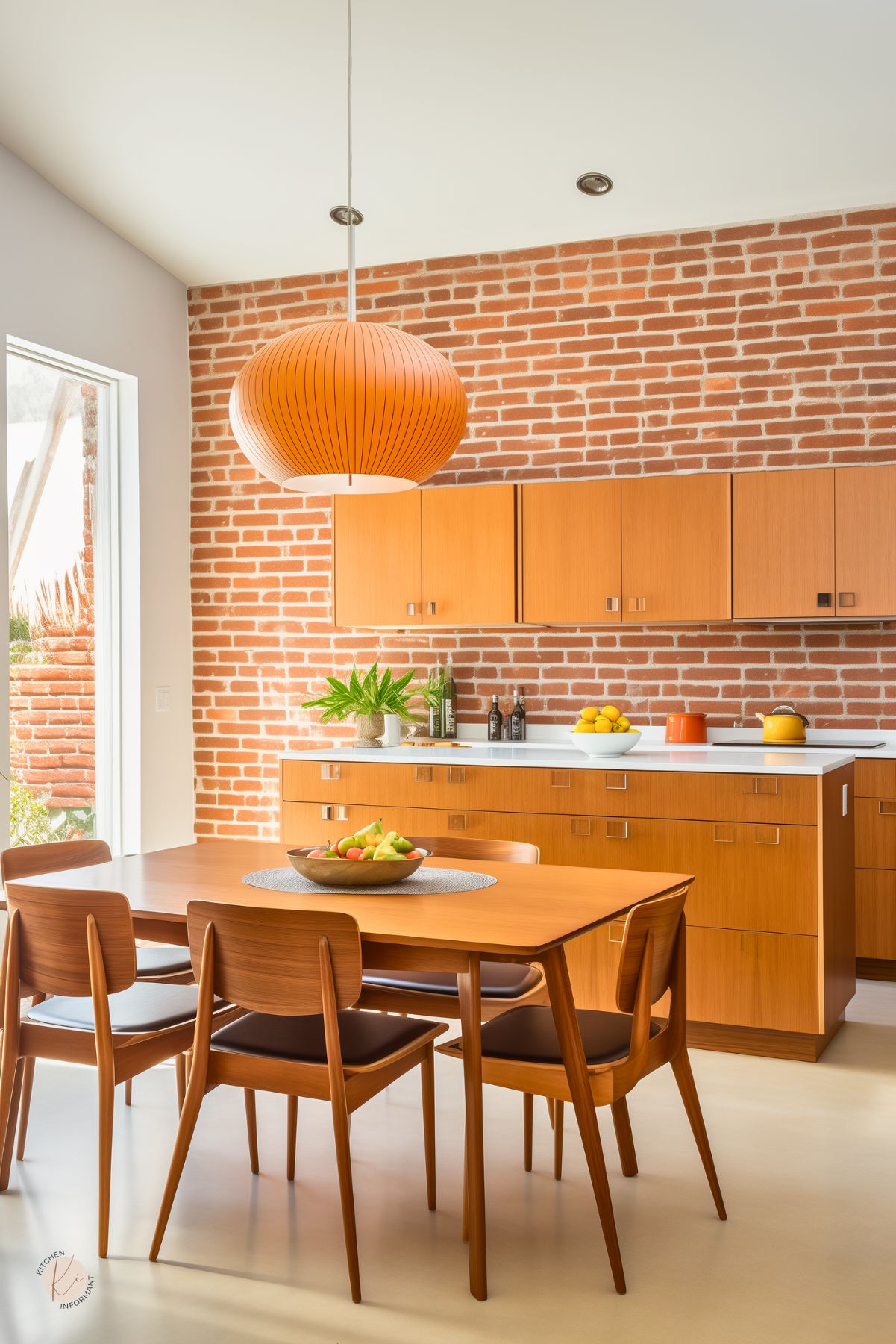
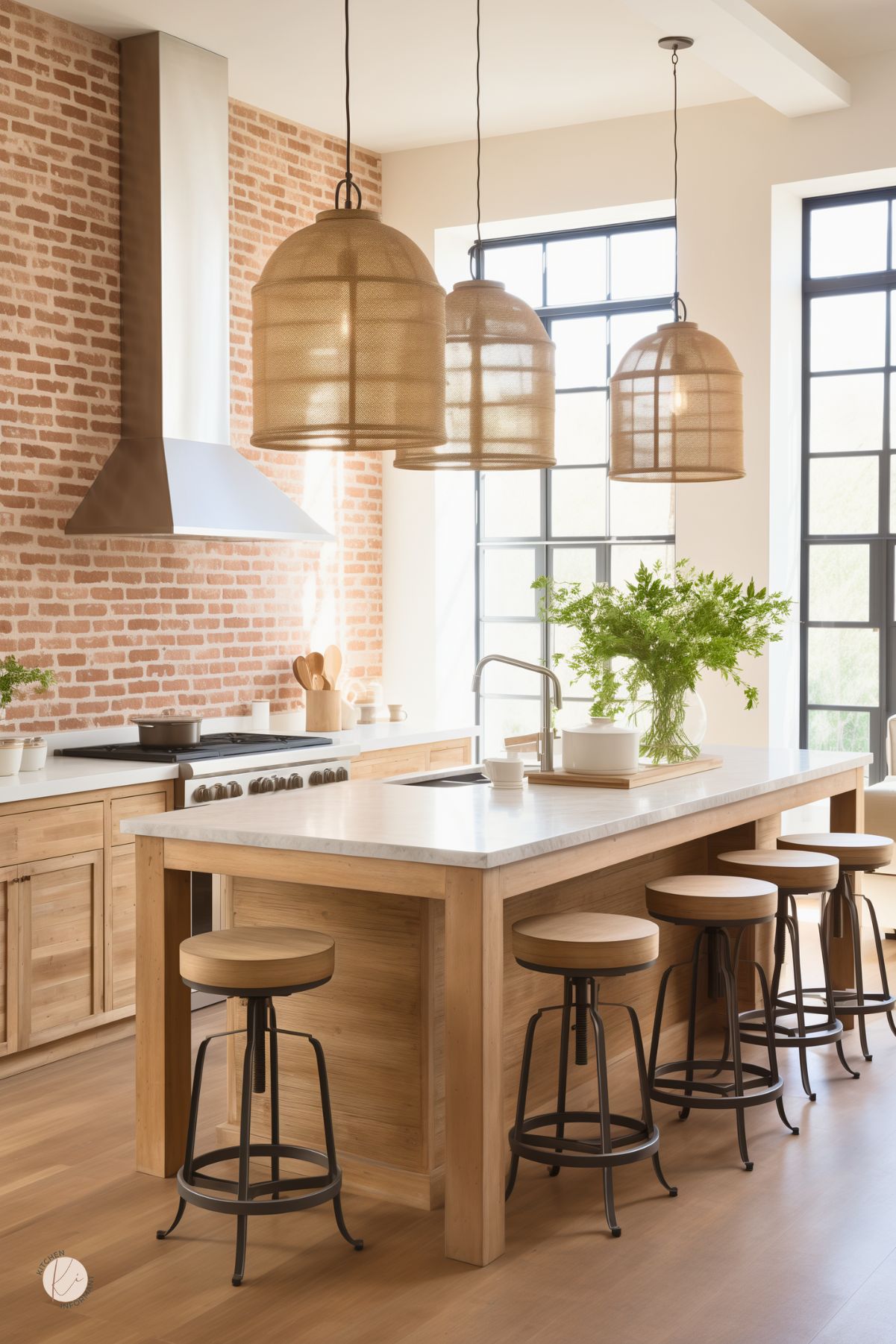
From rustic to contemporary, they can complement different elements, such as wood accents or sleek appliances.
Many homeowners find that incorporating this feature brings a cozy yet stylish feel that enhances their culinary experience.
The use of brick can also connect a person to the history and authenticity of the home, reflecting a sense of timelessness.
Whether it’s used as an accent wall or as part of the overall design, exposed brick can create a welcoming atmosphere where everyone feels at home.
The Appeal of Exposed Brick Walls in Kitchens
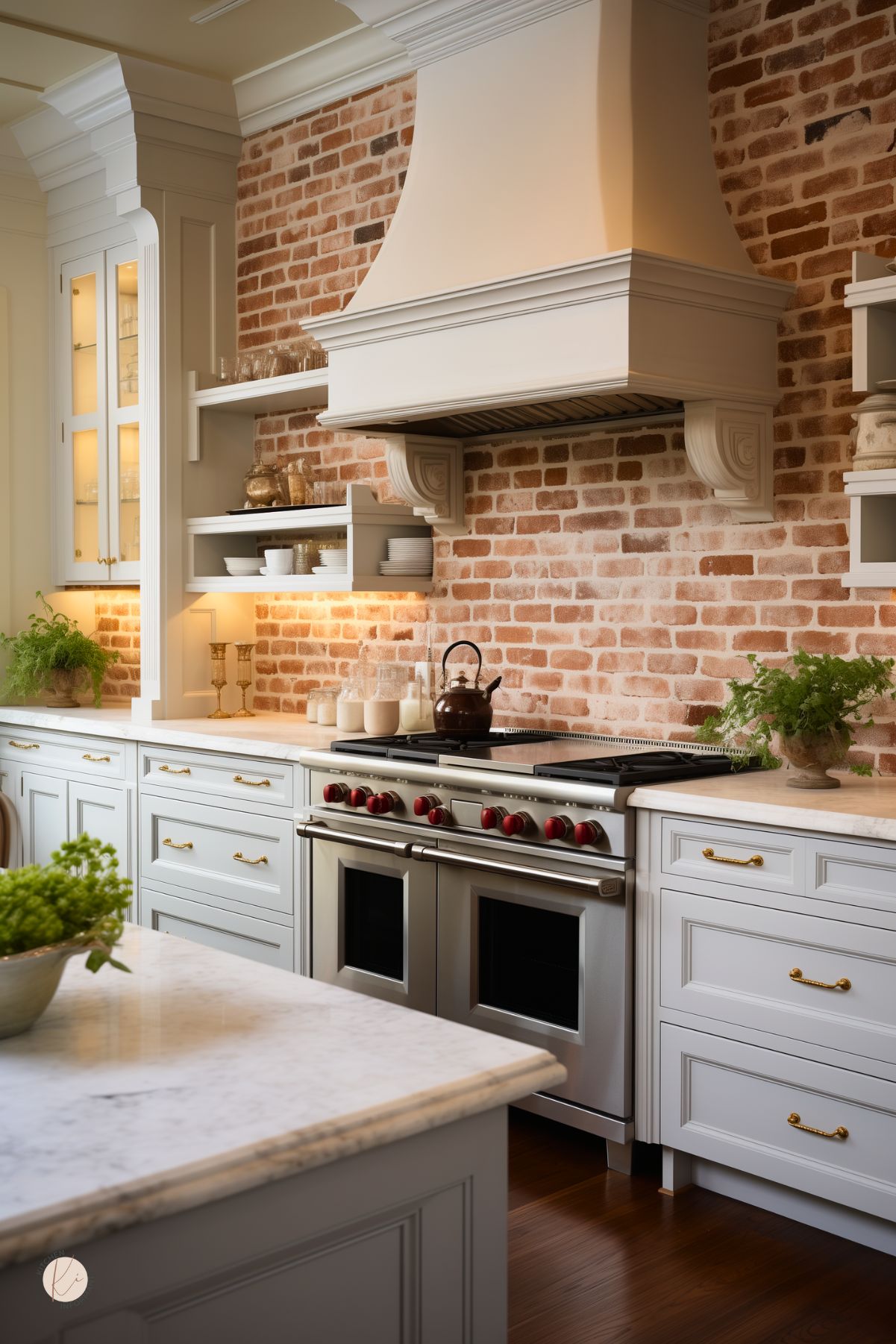
Exposed brick walls bring a unique charm and character to kitchen spaces. Their history and role in modern design provide a rich backdrop that complements various styles.
These walls can transform a kitchen into a warm and inviting area.
Historical Background
Exposed brick can be traced back to the early days of construction, where it was a staple in buildings for its durability and functionality.
In many urban areas, brick walls were often left uncovered to showcase their sturdy design.
During the industrial era, many homes featured exposed bricks as part of their architecture. This trend highlighted the beauty of raw materials.
Many designers now embrace this rustic appeal, linking kitchens with historical significance.
Furthermore, older homes often have brick walls hidden behind drywall.
Homeowners may choose to reveal these bricks during renovations, adding character and a sense of history to modern kitchens. This blend of old and new makes the exposed brick a lasting favorite.
Contemporary Trends
In recent years, the trend of exposed brick walls in kitchens has surged.
Interior designers appreciate how these walls create focal points. They add depth and texture to otherwise simple interiors.
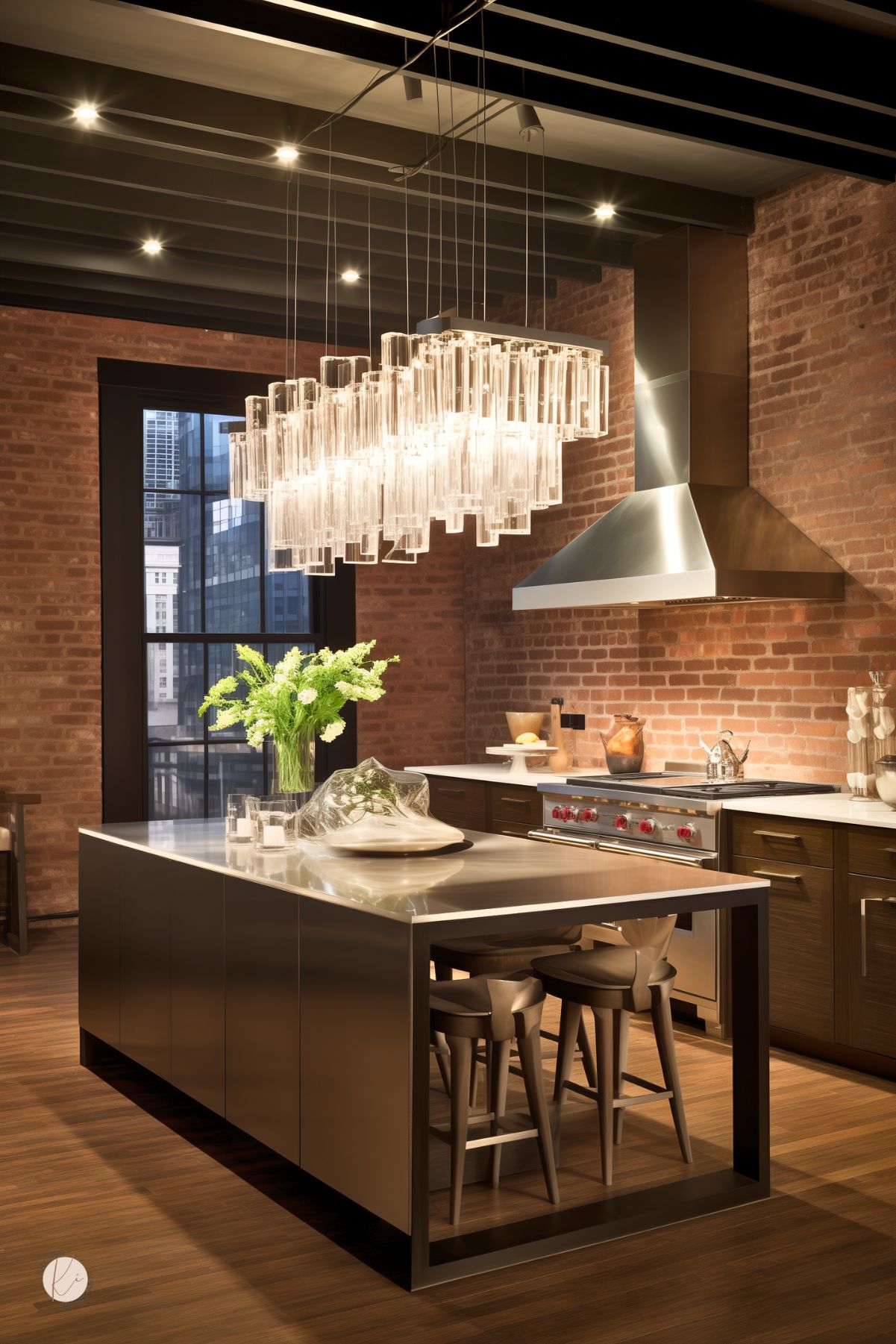
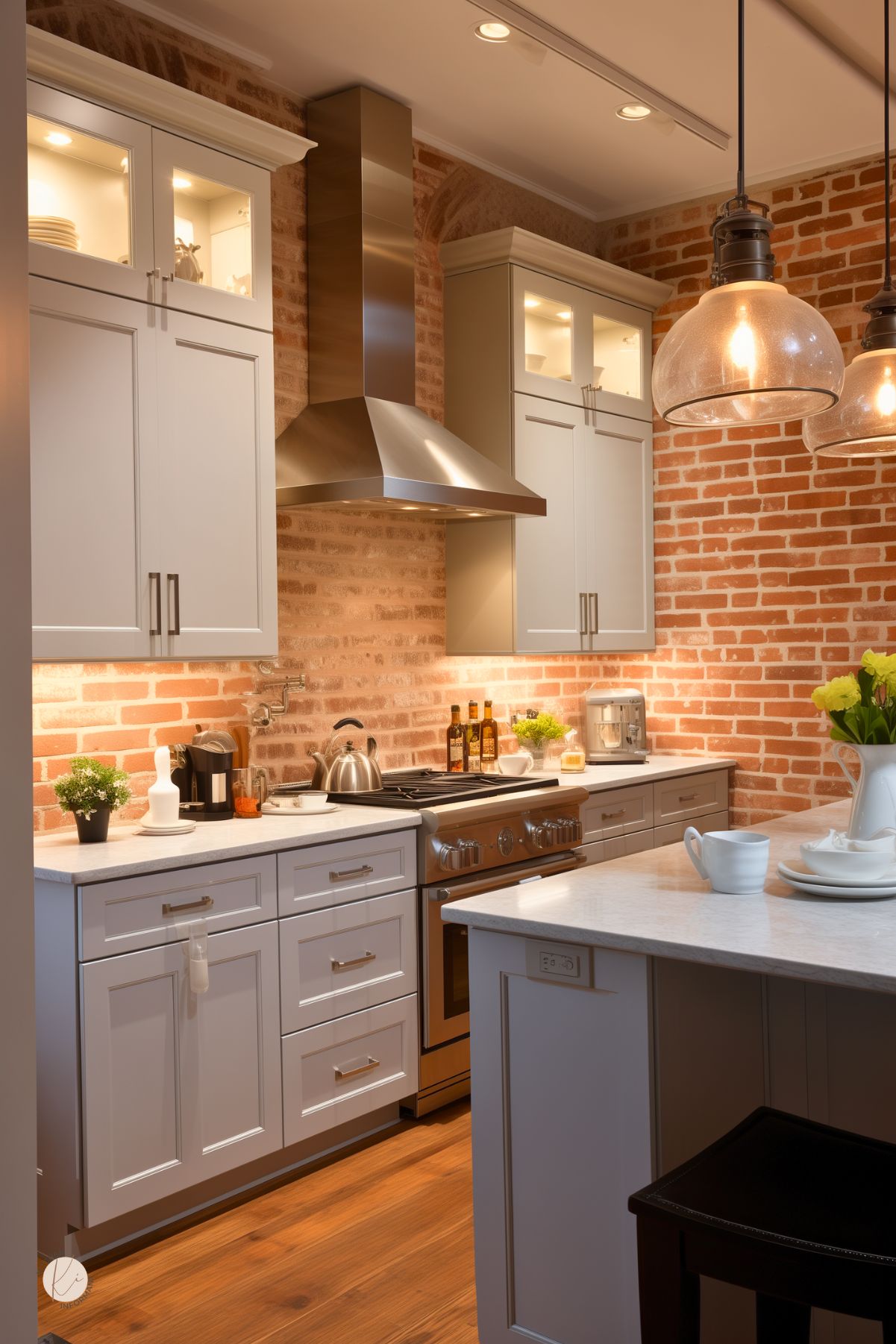
Moreover, the contrast between sleek, modern appliances and rough brick can be striking. The natural warmth of brick balances the sleekness of contemporary design.
Homeowners also enjoy the versatility of exposed brick.
It pairs well with various styles, from farmhouse to industrial chic. Additionally, it can serve as an accent wall or be used throughout the kitchen for a cohesive look.
People often enhance these walls with shelves or art. This turns the brick into a canvas showcasing personal style.
The rustic charm of exposed brick continues to resonate in modern kitchen design.
Design Considerations for Exposed Brick
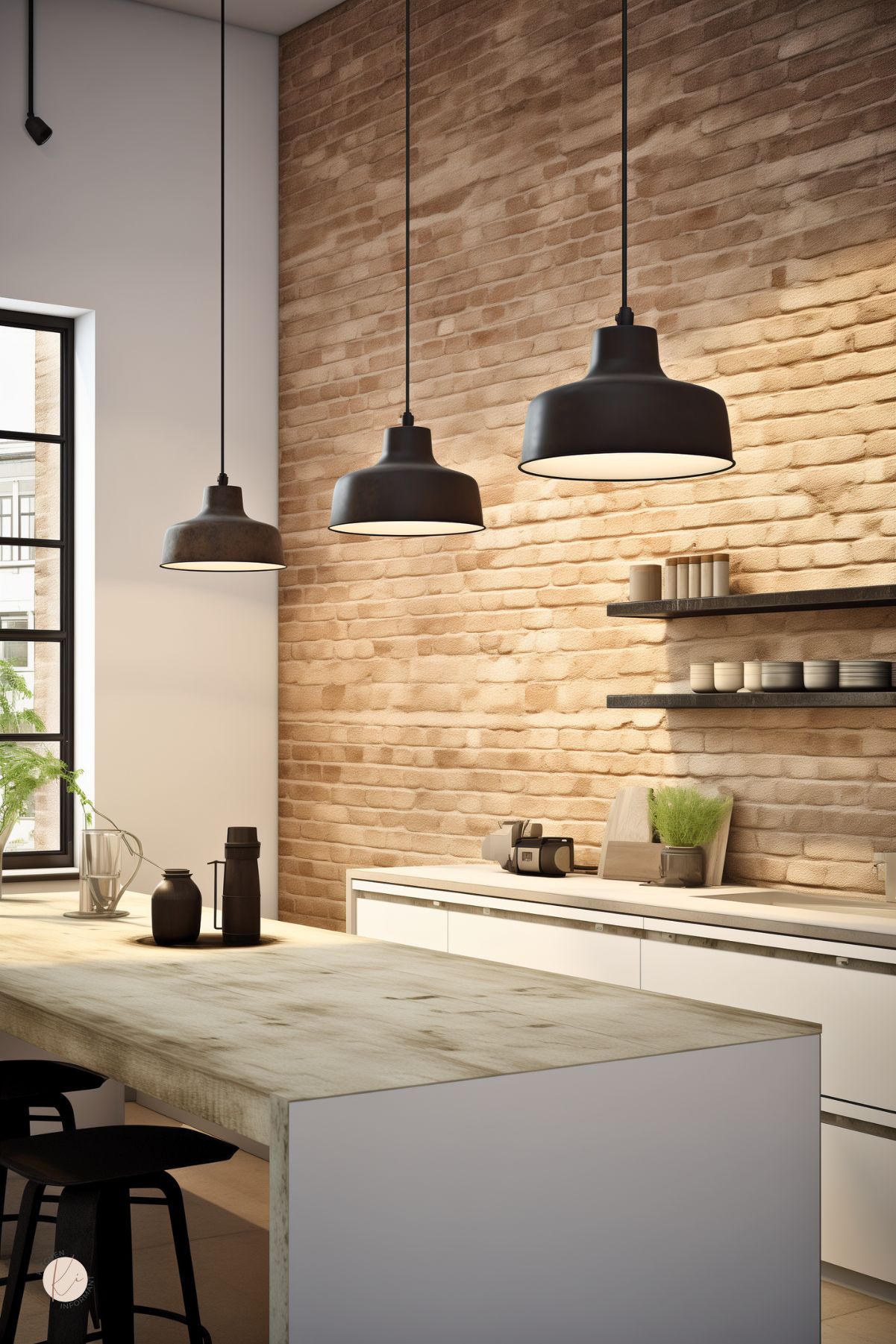
When designing with exposed brick, several key elements must be considered. This includes choosing the right color and texture of the bricks, selecting complementary materials and finishes, and using lighting effectively to highlight the brick features.
Each of these elements contributes to the overall appeal and functionality of the kitchen space.
Choosing the Right Brick Color and Texture
The color and texture of the bricks play a vital role in the kitchen’s atmosphere.
Light-colored bricks can create a bright and airy feel, making the space seem larger. On the other hand, darker bricks add depth and a cozy vibe.
Texture also matters. Smooth bricks can lend a more modern look, while rough, reclaimed bricks provide a rustic charm.
Mixing different textures can create visual interest. For a cohesive design, consider how the brick will contrast or complement kitchen cabinets, countertops, and flooring choices.
Complementary Materials and Finishes
To make exposed brick stand out, complementary materials should be selected carefully.
Wood, metal, and glass can enhance the warmth and character of the brick.
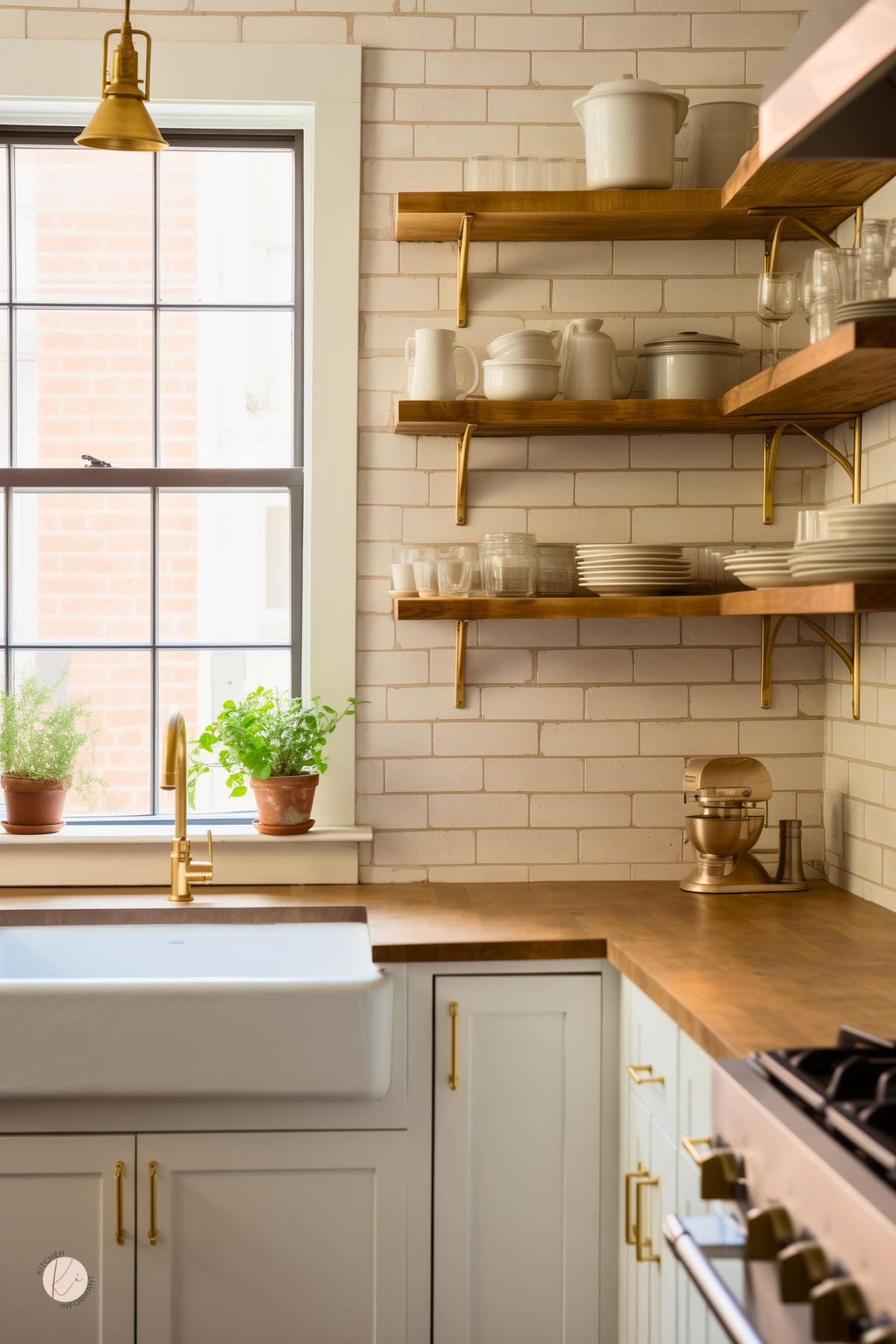
For example, wooden shelving placed against a brick wall provides a natural, inviting touch.
In terms of finishes, matte surfaces tend to work well with brick.
Glossy finishes can compete for attention and may distract from the brick’s charm.
Colors in finishes should either harmonize with the brick or provide a striking contrast to create a balanced look in the kitchen.
Lighting to Enhance Brick Features
Proper lighting can transform exposed brick into a stunning focal point.
A combination of ambient, task, and accent lighting is needed.
Ambient lighting provides overall brightness, while task lighting is crucial for work areas like countertops.
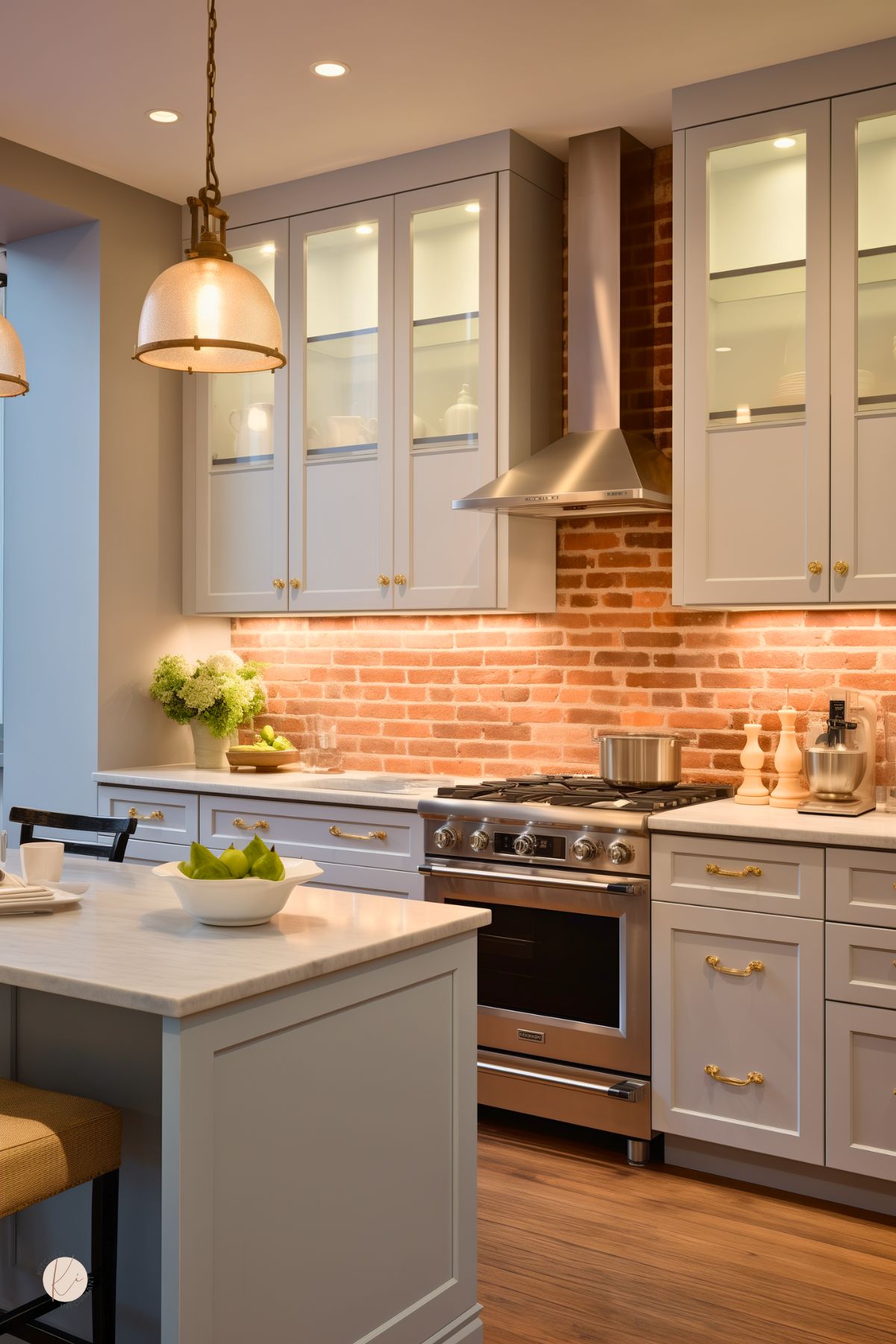
Accent lighting, such as spotlights or under-cabinet lights, can highlight specific brick sections.
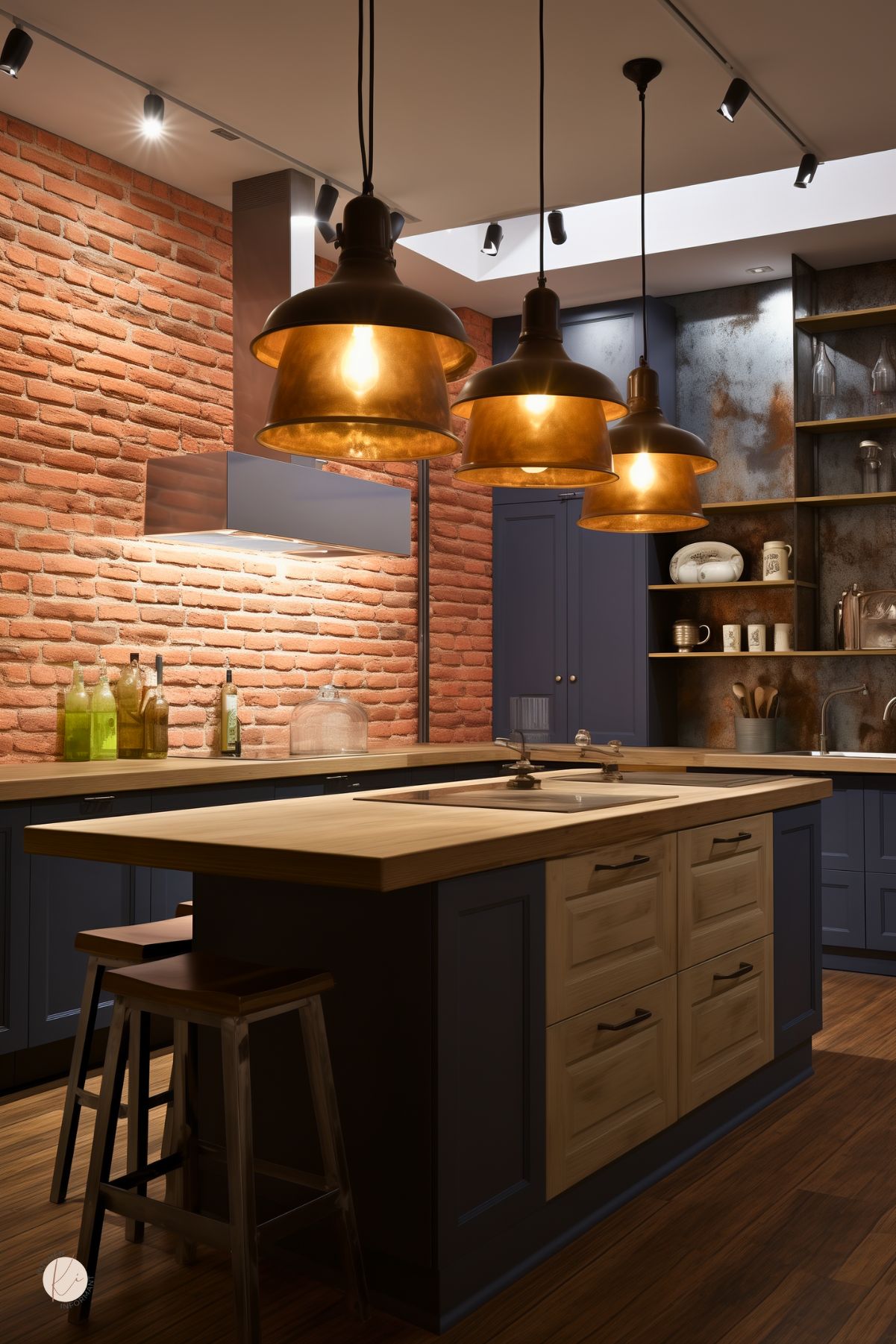
Warm-toned lights enhance the rich colors of the brick, creating an inviting atmosphere.
Additionally, wall-mounted fixtures can create interesting shadows and depth, showcasing the texture of the bricks more effectively.
Installing Exposed Brick Walls

Installing exposed brick walls in the kitchen can add character and warmth.
This process involves ensuring structural integrity and proper sealing to maintain longevity. Each step is crucial for a successful installation.
Structural Integrity and Support
Before beginning installation, it’s essential to assess the wall’s structural integrity. This ensures that the existing framework can support the weight of the brick.
- Use a stud finder to locate wooden beams.
- Reinforce walls with additional support if necessary.
For brick installation, a level surface is crucial. This can involve removing old drywall or plaster.
If there are any repairs needed, he should address them beforehand.
Once the wall is prepared, the bricks can be laid in a staggered pattern.
This not only looks great but also enhances support. This careful preparation helps create a stable and safe feature.
Sealing and Insulation for Longevity
To ensure the durability of exposed brick, sealing is necessary. A quality sealant will protect against moisture and stains.
- Choose a breathable sealant to maintain wall integrity.
- Apply it evenly across all surfaces after installation.
Insulation is also vital, especially in a kitchen where temperature fluctuations occur.
He can consider adding an insulation layer behind the bricks. This helps regulate temperature and prevents heat loss.
Moreover, using a waterproof barrier can protect against leaks. This adds peace of mind while enjoying the aesthetic appeal of brick.
Maintenance and Care
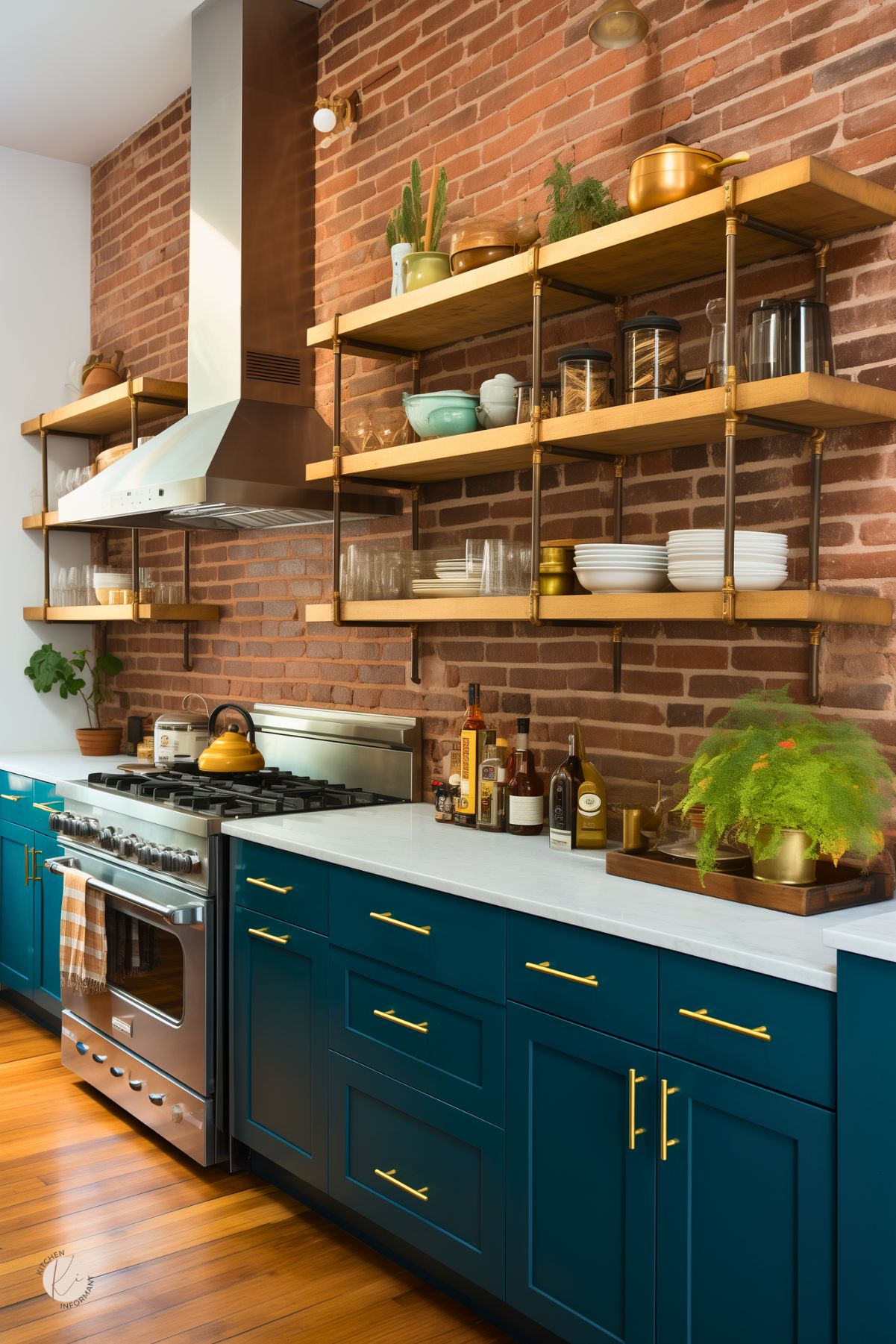
Taking care of exposed brick walls in the kitchen is vital to keep them looking great and lasting longer.
Regular cleaning and prompt repairs can enhance the beauty and functionality of these walls.
Cleaning Techniques
To maintain the fresh look of exposed brick, regular cleaning is essential.
Start by dusting with a soft brush or a vacuum with a brush attachment. This removes loose dirt and grime.
For deeper cleaning, a mixture of warm water and mild dish soap works wonders.
Dampen a cloth or sponge, then gently scrub the bricks. Avoid soaking the wall, as excess water can lead to mold.
For stubborn stains, a mixture of water and white vinegar can be effective.
Test a small area first to ensure it won’t affect the brick’s color.
After cleaning, it’s a good practice to seal the brick with a breathable brick sealant to protect it from stains and moisture.
Preventing and Treating Damage
To prevent damage to exposed brick walls, proper ventilation is key.
Kitchens can get humid, so using exhaust fans helps reduce moisture buildup.
Additionally, avoid placing hot pots directly against the wall.
If cracks or chips appear, they should be repaired quickly.
Use a masonry filler to patch small cracks. For larger damages, consult a professional to assess the situation.
Regular inspections are crucial too.
Look for signs of mold or discoloration, which may indicate water damage. Addressing these issues early can save time and money on major repairs.
Creative Decorating Ideas
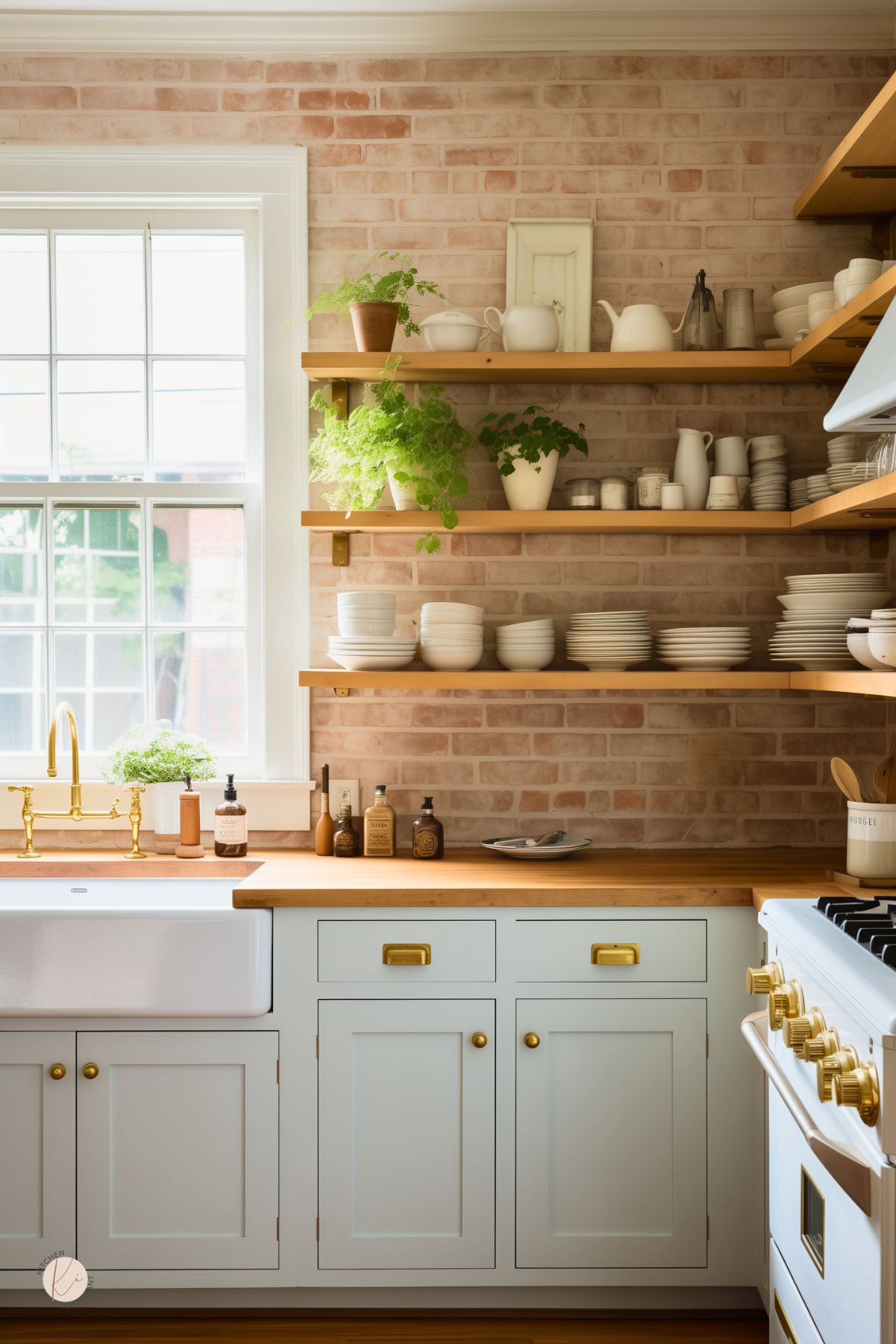
Exposed brick walls add character and warmth to kitchens. To enhance their appeal, creative decoration can play a big role.
Focusing on complementary decor and integrating natural elements can create a vibrant environment.
Selecting Decor that Complements Brickwork
When choosing decor for a kitchen with exposed brick, it’s essential to consider colors and materials that harmonize with the brick.
Neutral tones like whites and grays can brighten the space while allowing the brick to stand out.
Key decor items include:
- Artwork: Large pieces can draw attention and add charm.
- Shelving: Open shelves made of wood or metal can provide functionality and style.
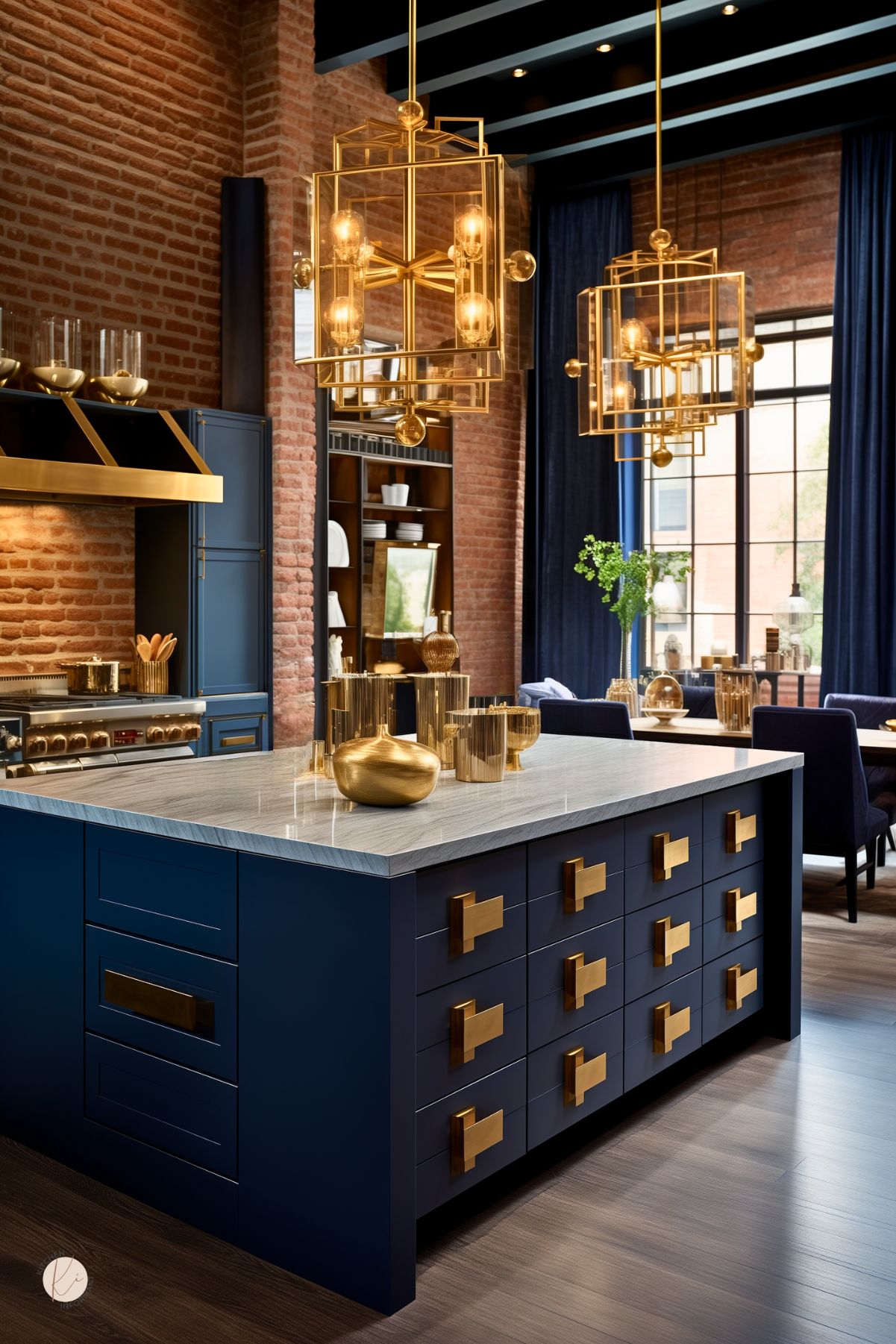
- Lighting: Pendant lights with metallic finishes can introduce a modern touch.
Incorporating textiles such as woven rugs or linen curtains can soften the hard edges of the brick.
Accessories like colorful dishware or decorative bowls can also bring in pops of color.
Integrating Greenery and Natural Elements
Adding plants can bring life to a kitchen with exposed brick. Greenery introduces freshness and a lively contrast to the rough texture of the walls.
Consider these plant ideas:
- Herb Gardens: Potted herbs on the windowsill are practical and fragrant.
- Hanging Plants: Using hooks to display trailing plants can create visual interest.
- Vases: Fresh flowers in simple vases can enhance the inviting atmosphere.
Natural elements like wood or stone can further enhance the decor. Wooden cutting boards or stone fruit bowls can tie in with the earthy feel of the brick while providing functional beauty.






You May Also Like: