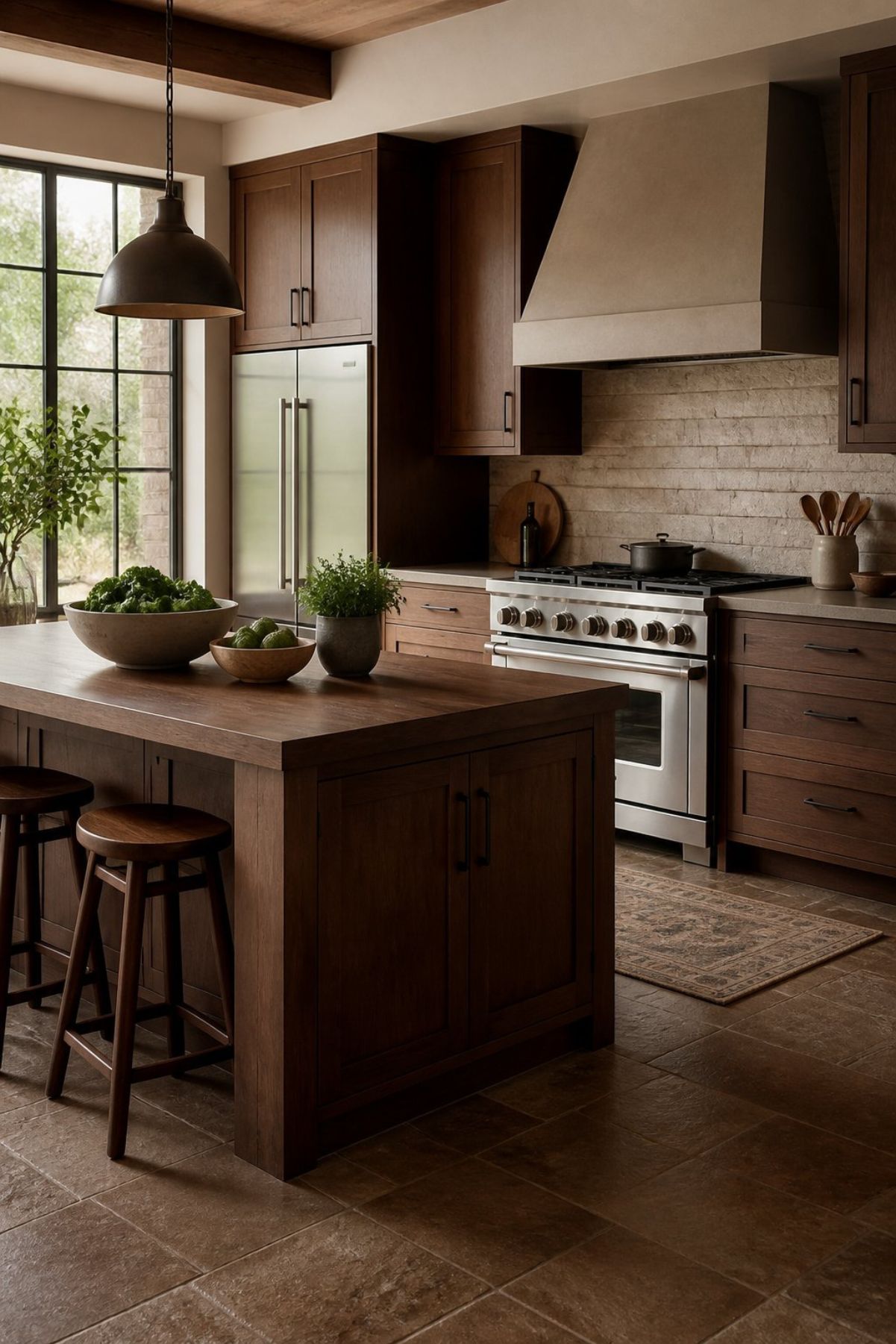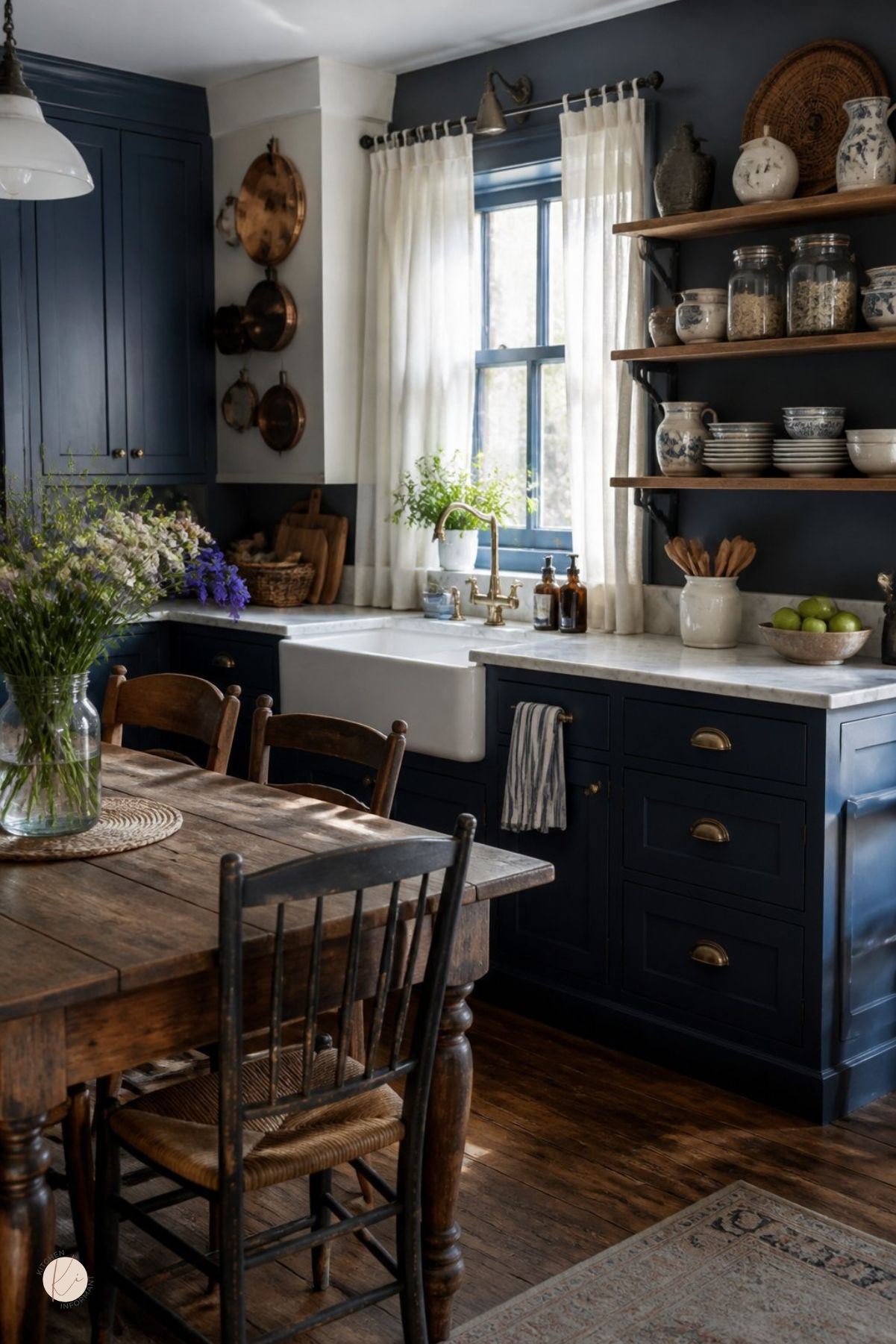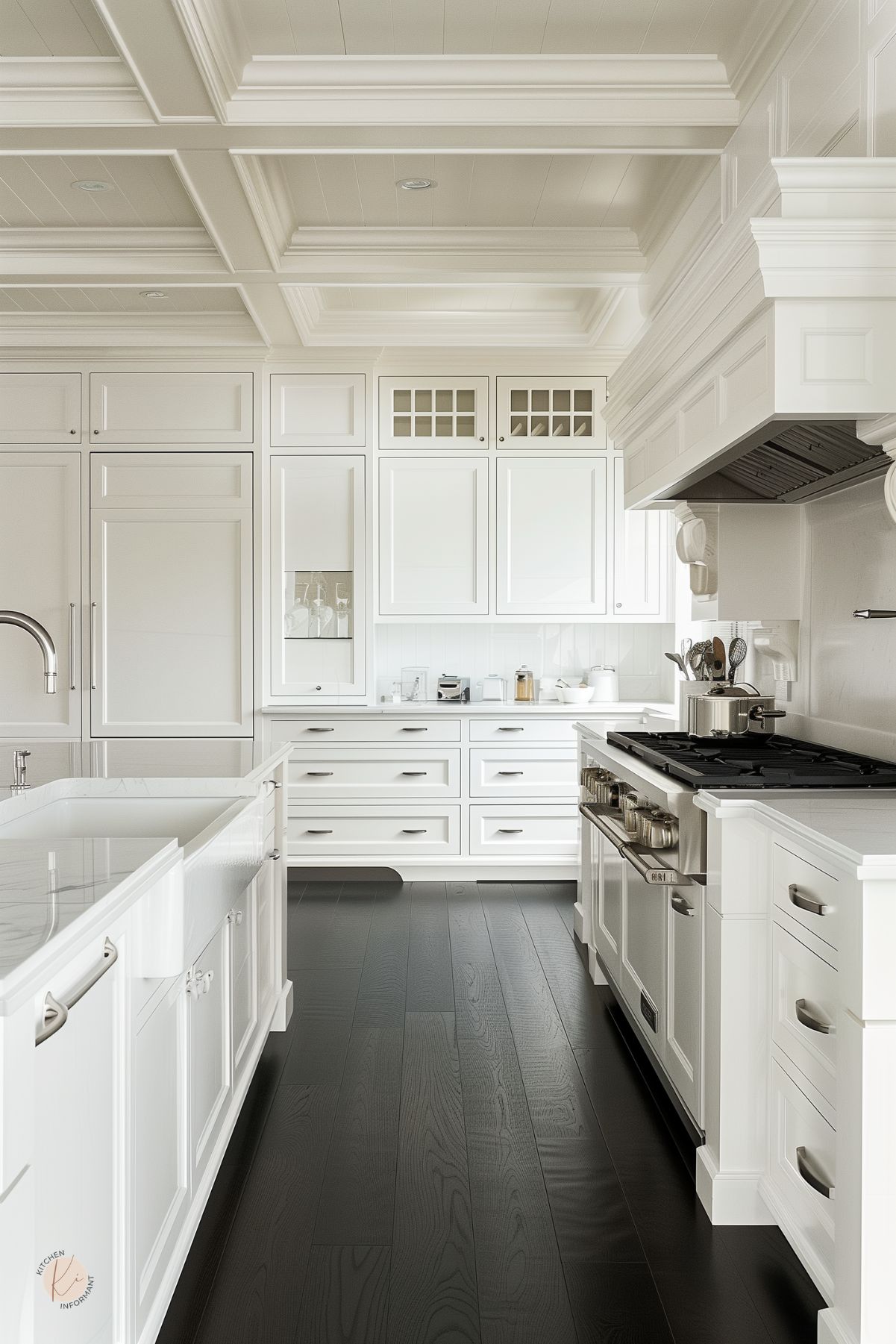
A warm and inviting kitchen can be the heart of any home. Choosing the right paint colors can play a crucial role in creating a cozy atmosphere that invites family and friends to gather.
Soft, earthy tones like terracotta, olive green, and warm whites can transform a simple kitchen into a welcoming space, perfect for cooking and sharing meals.
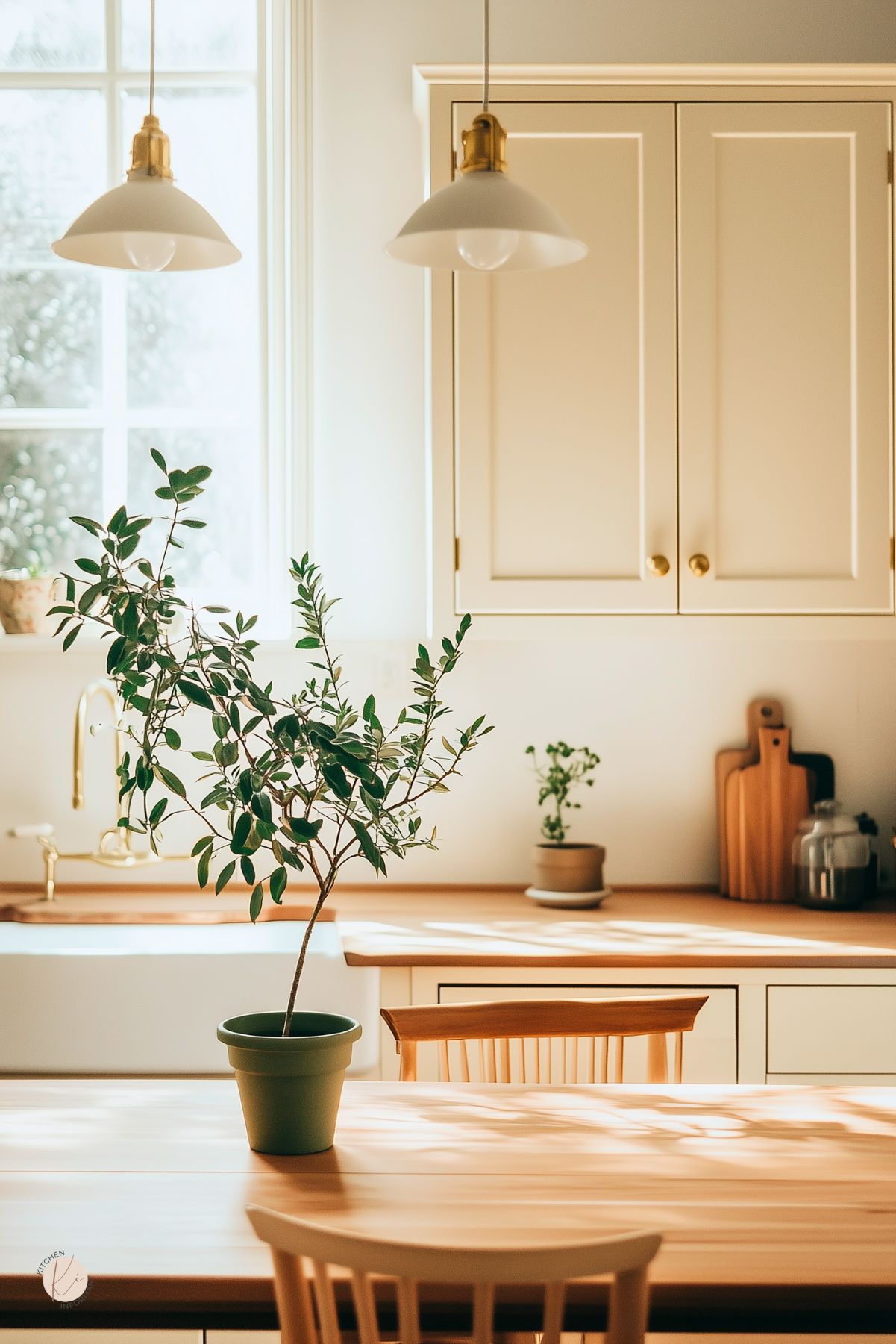
Many people overlook the impact of color in their kitchen design. Shades like rich aubergine add drama, while creamy neutrals can soften the look of large spaces.
By incorporating textures, such as wooden cabinetry or rustic accents, the kitchen can feel even cozier and more inviting.
He or she can really make a difference by selecting the perfect color palette. With careful consideration of warm paint colors, anyone can design a kitchen that feels both stylish and comfortable.
Setting the Tone: Warm Colors Explained
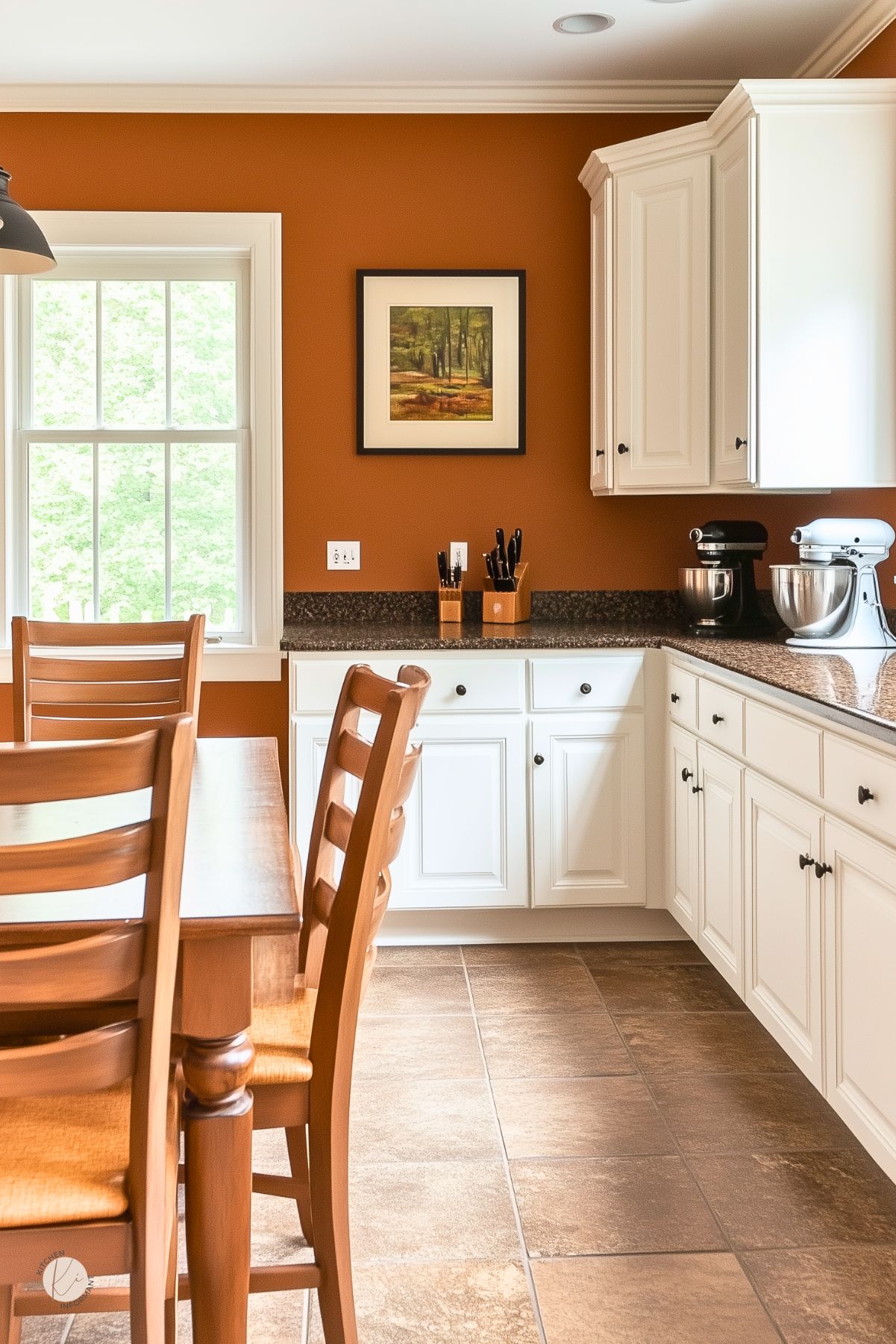
Warm colors can create a cozy and inviting atmosphere in any kitchen. They can influence emotions and even how a space feels at different times of the day.
Understanding how warm colors work will help in choosing the perfect shades for a kitchen that feels welcoming.
The Psychology of Warm Colors
Warm colors like reds, oranges, and yellows can evoke feelings of warmth, comfort, and happiness. These colors are often associated with the sun and fire, making them ideal for creating a cozy space.
In a kitchen, adding warm tones can stimulate appetite and conversation. For example, a soft buttery yellow can brighten the room without overwhelming it.
Popular Warm Colors for Kitchens:
- Creamy Whites: These provide a soft light while maintaining a warm vibe.
- Peach and Apricot: Gentle shades that add a fresh and inviting feel.
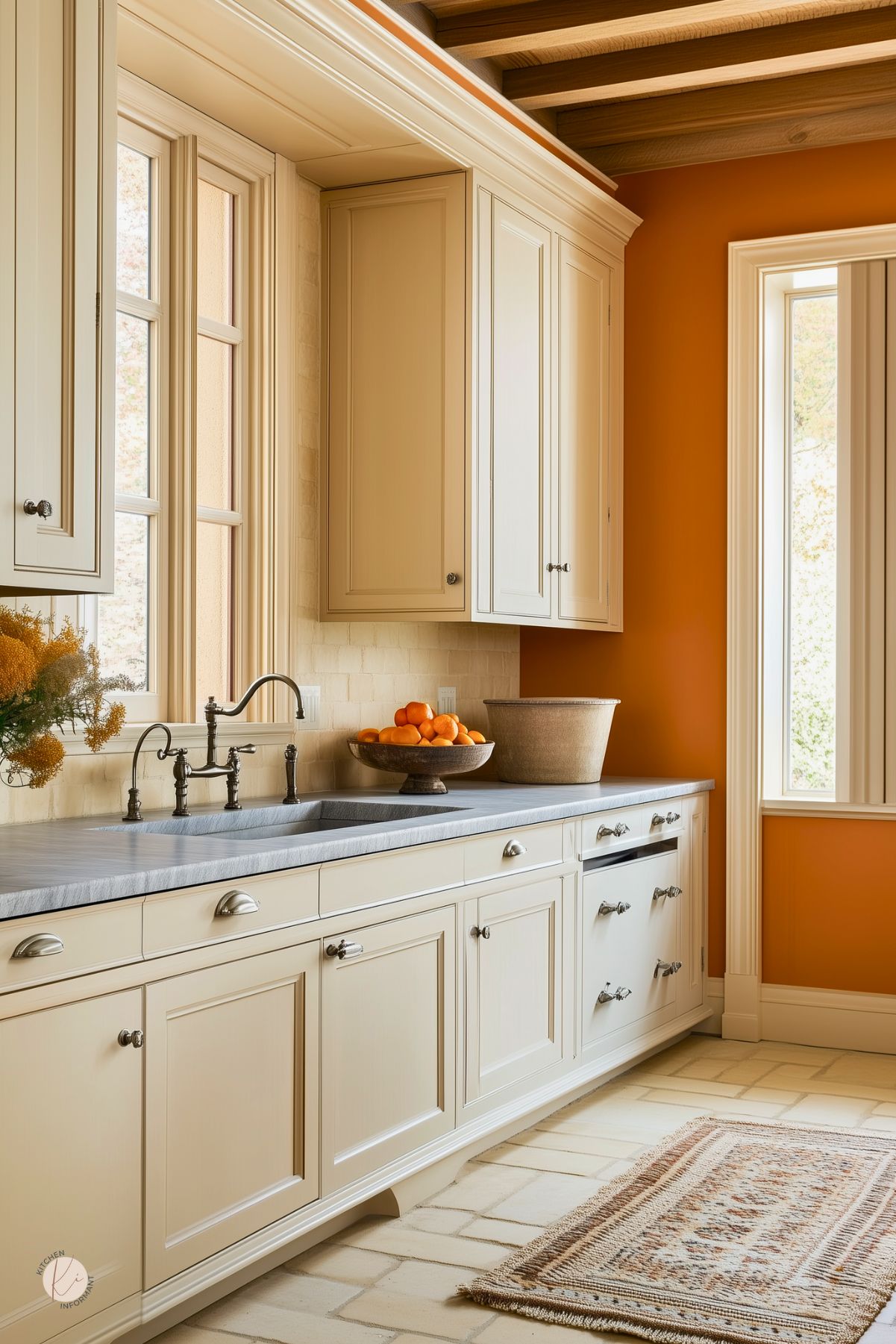
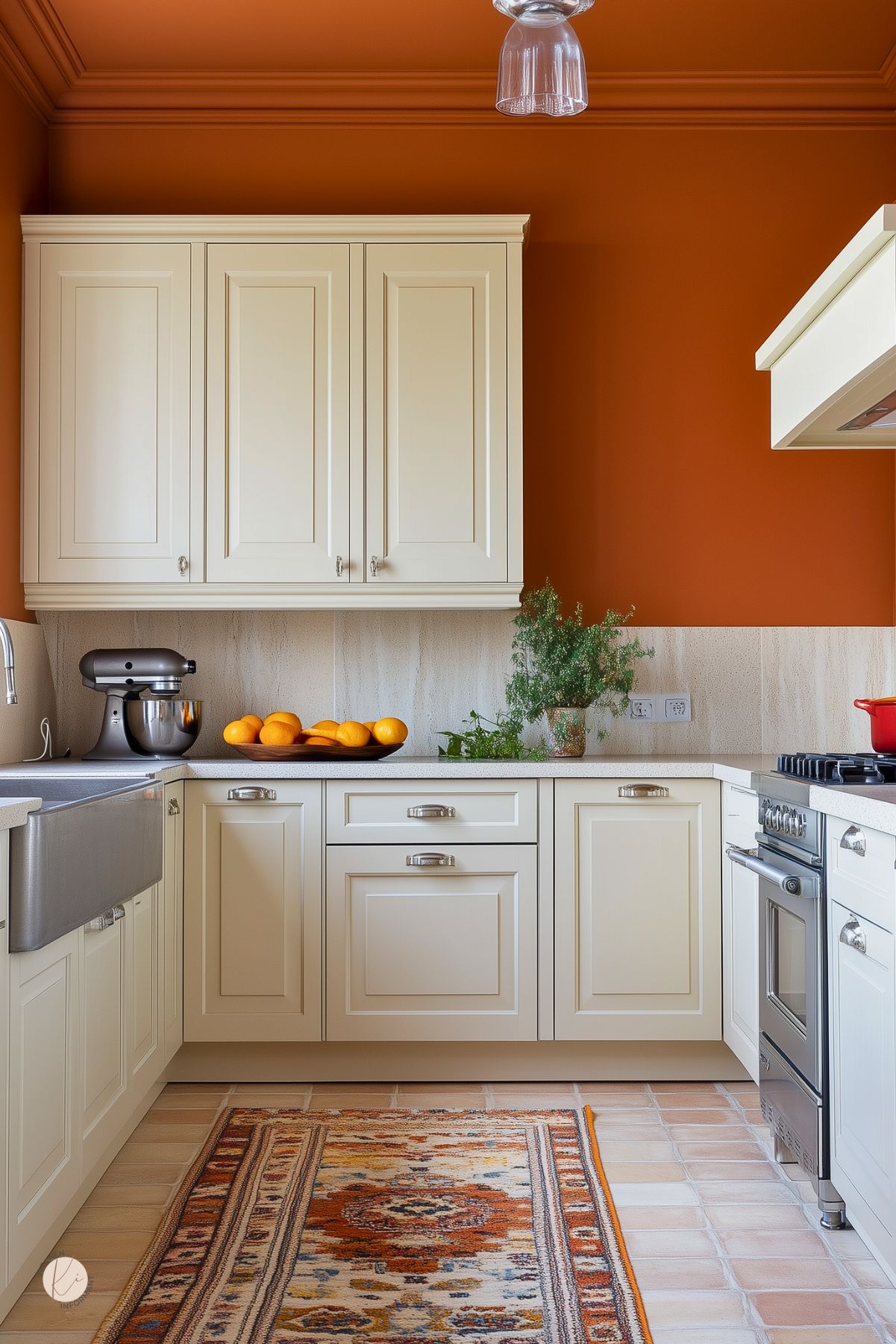
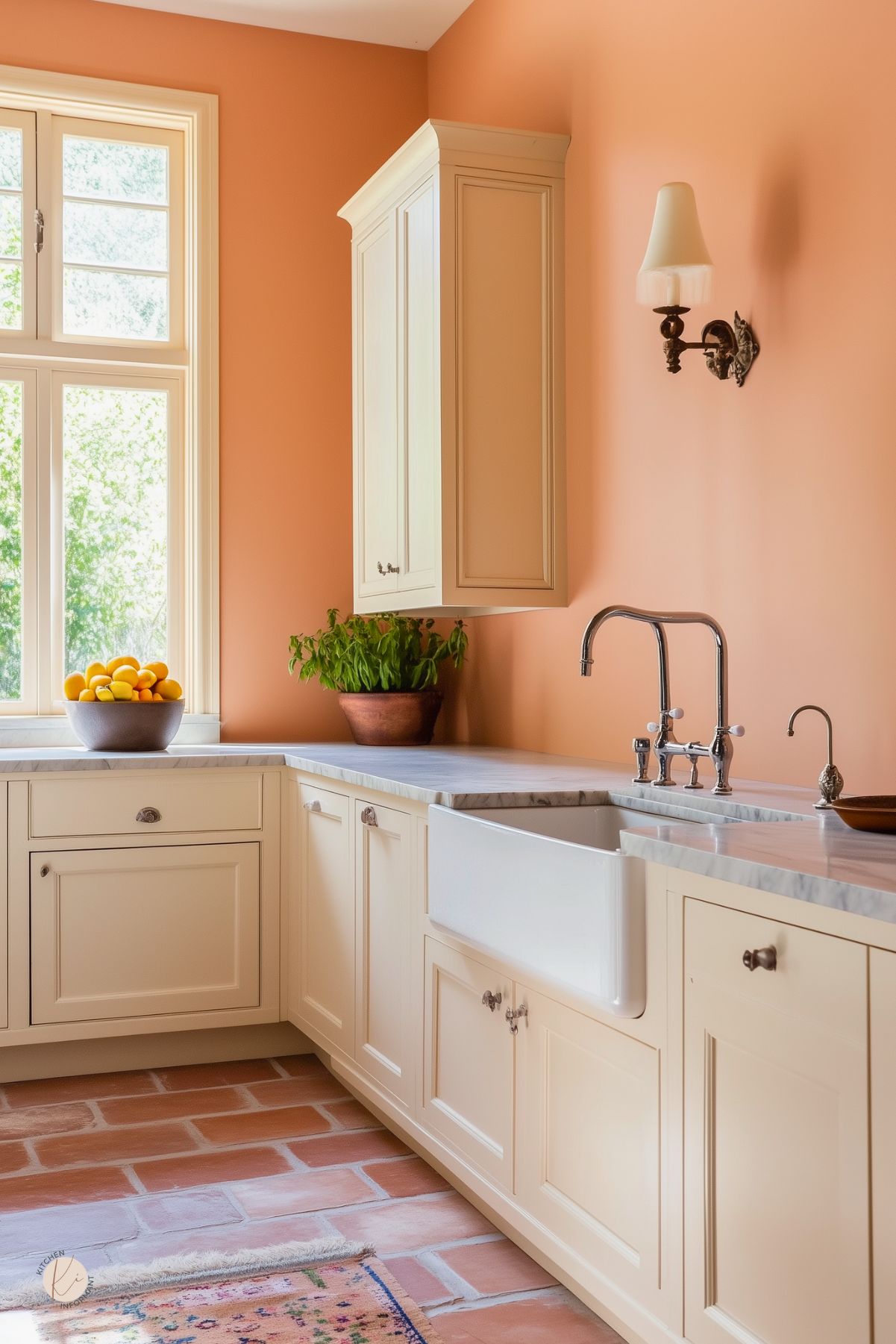
- Terracotta: This earthy tone brings warmth and a rustic charm.
Using these colors thoughtfully can lead to a more inviting kitchen environment.
Warm Tones for Different Light Conditions
The light in a kitchen can change the way colors appear. Warm tones can look different under natural light compared to artificial light.
During the day, colors may appear vibrant thanks to natural sunlight. In the evening, they may feel softer and more muted under warm light.
Consider the Following:
- North-Facing Rooms: These often receive less direct sunlight, so warmer shades can help brighten the space.
- South-Facing Rooms: Here, warm colors can shine brightly due to ample sunlight. Balanced tones can enhance this effect.
When selecting paint, it’s wise to test a few samples in various light conditions. This step ensures the chosen color appears as intended throughout the day.
Choosing the Right Palette
Choosing the right color palette can transform a kitchen into a warm and inviting space. Selecting colors that resonate with comfort will make the room more enjoyable for cooking and gathering.
Here are some fantastic options to consider.
Rich Reds for a Vibrant Atmosphere
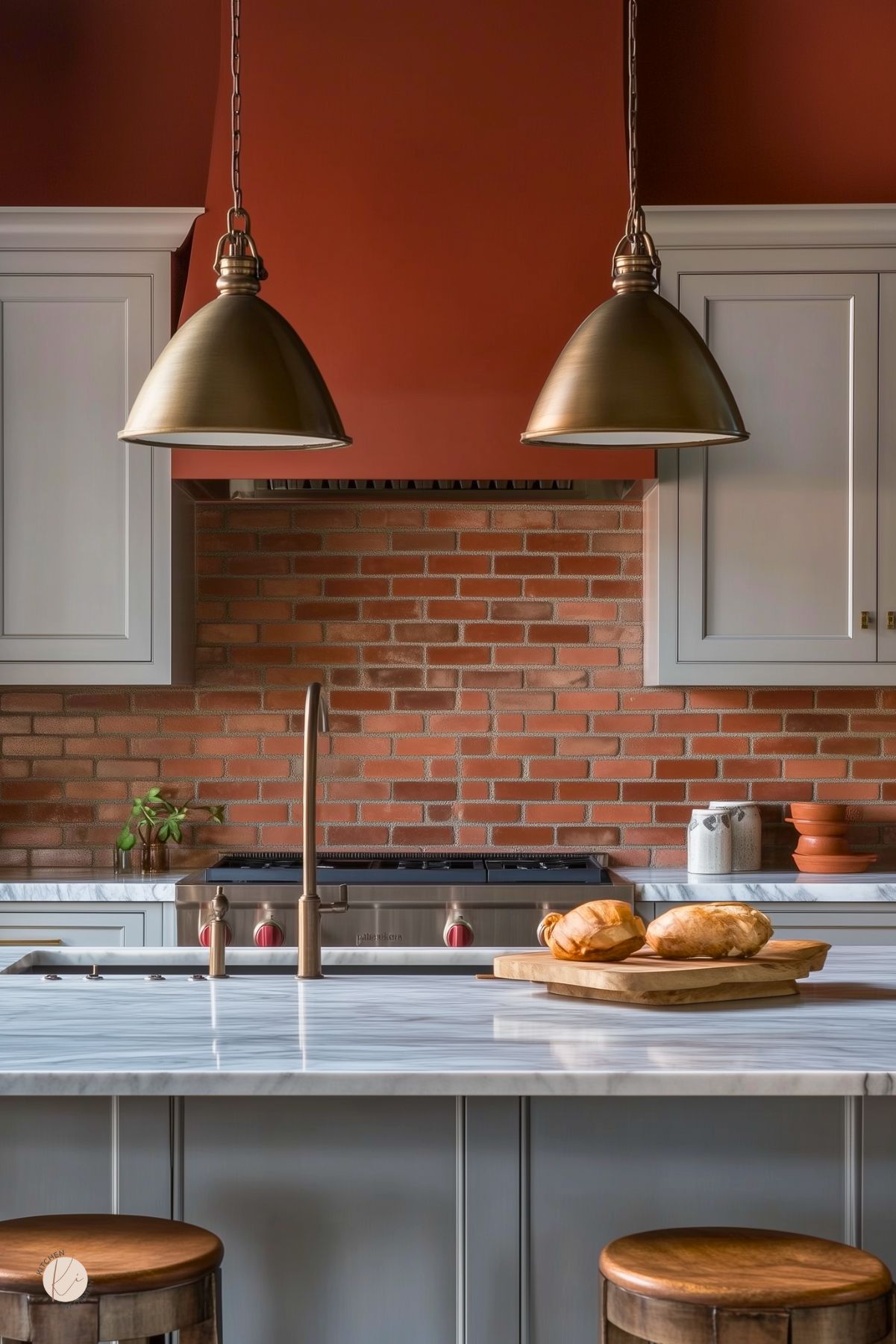
Rich reds bring energy and warmth to a kitchen. This color can stimulate appetite and conversation, making it perfect for social gatherings.
Shades like burgundy or deep crimson offer sophistication while keeping the space cozy.
For a balanced look, consider pairing red with softer tones. Creamy whites or light grays can help tone down the intensity of red, creating a welcoming atmosphere.
Accent walls in red can draw attention without overwhelming the space.
Kitchen accessories in red, such as utensils or small appliances, can also add lively pops of color. This way, the vibrant atmosphere can shine through without a full paint job!
Earthy Oranges for a Cozy Feel
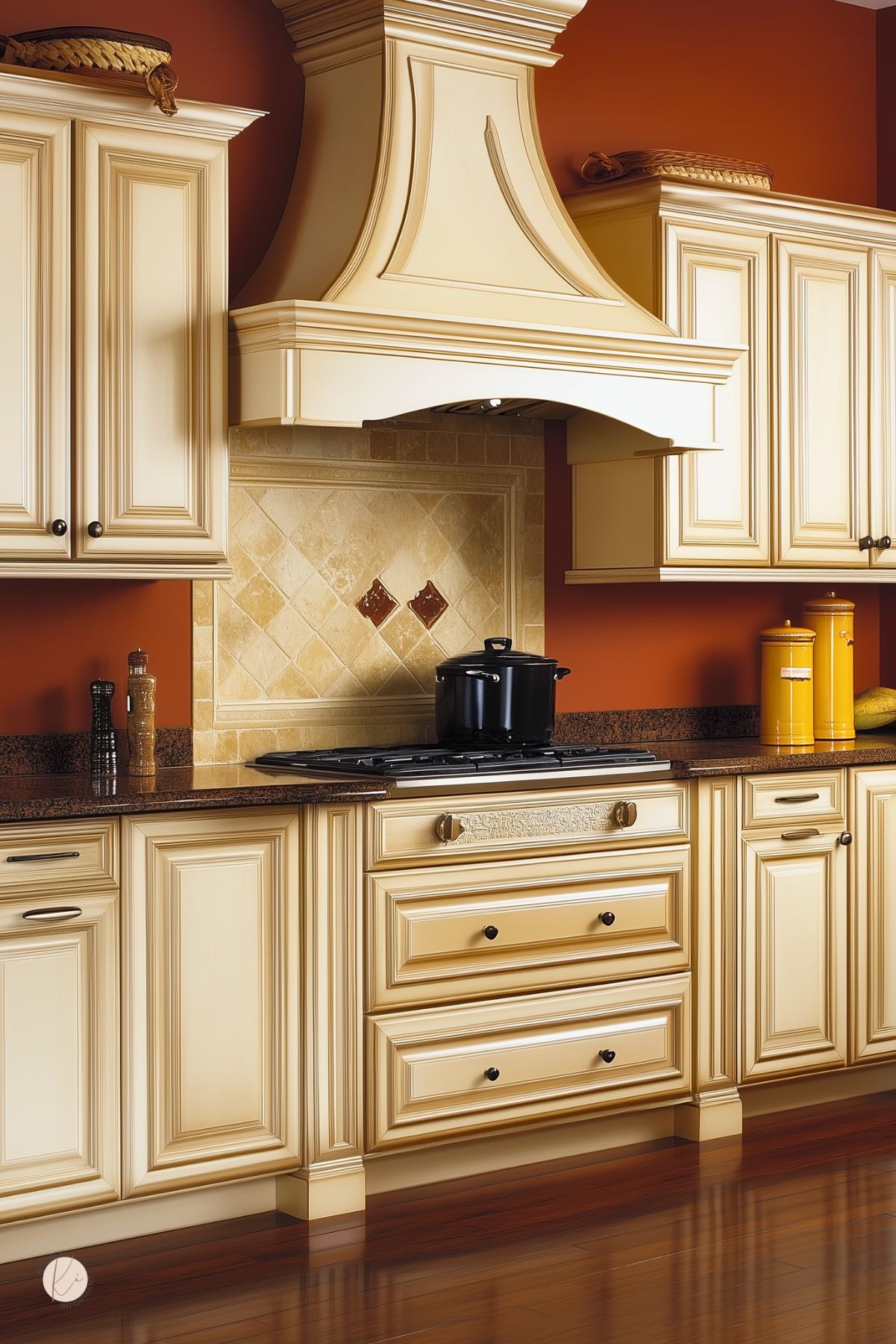
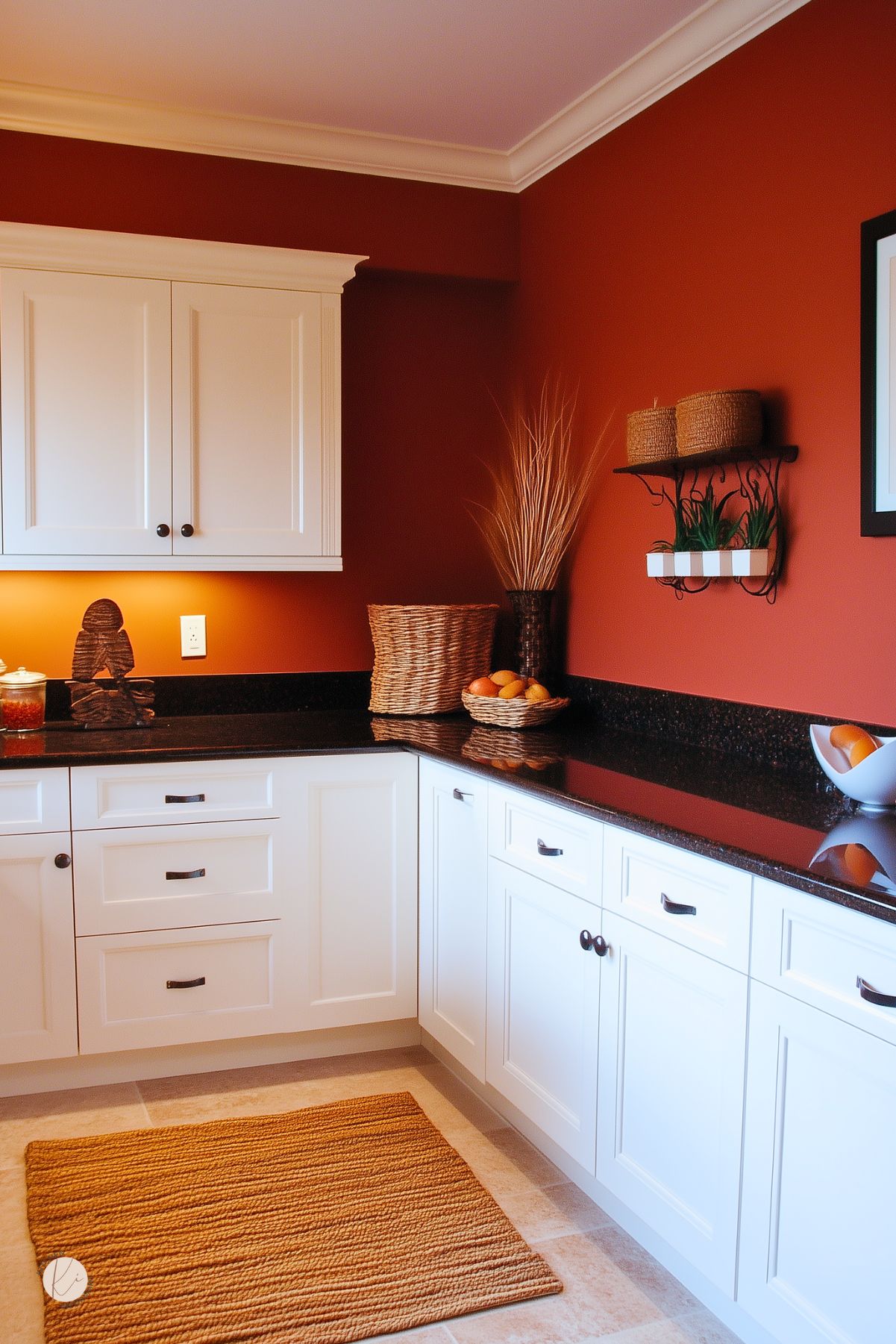
Earthy oranges create a warm and inviting feel in kitchens. Shades like terracotta or burnt orange bring a touch of nature indoors.
They evoke feelings of comfort and warmth, perfect for family gatherings or quiet meals.
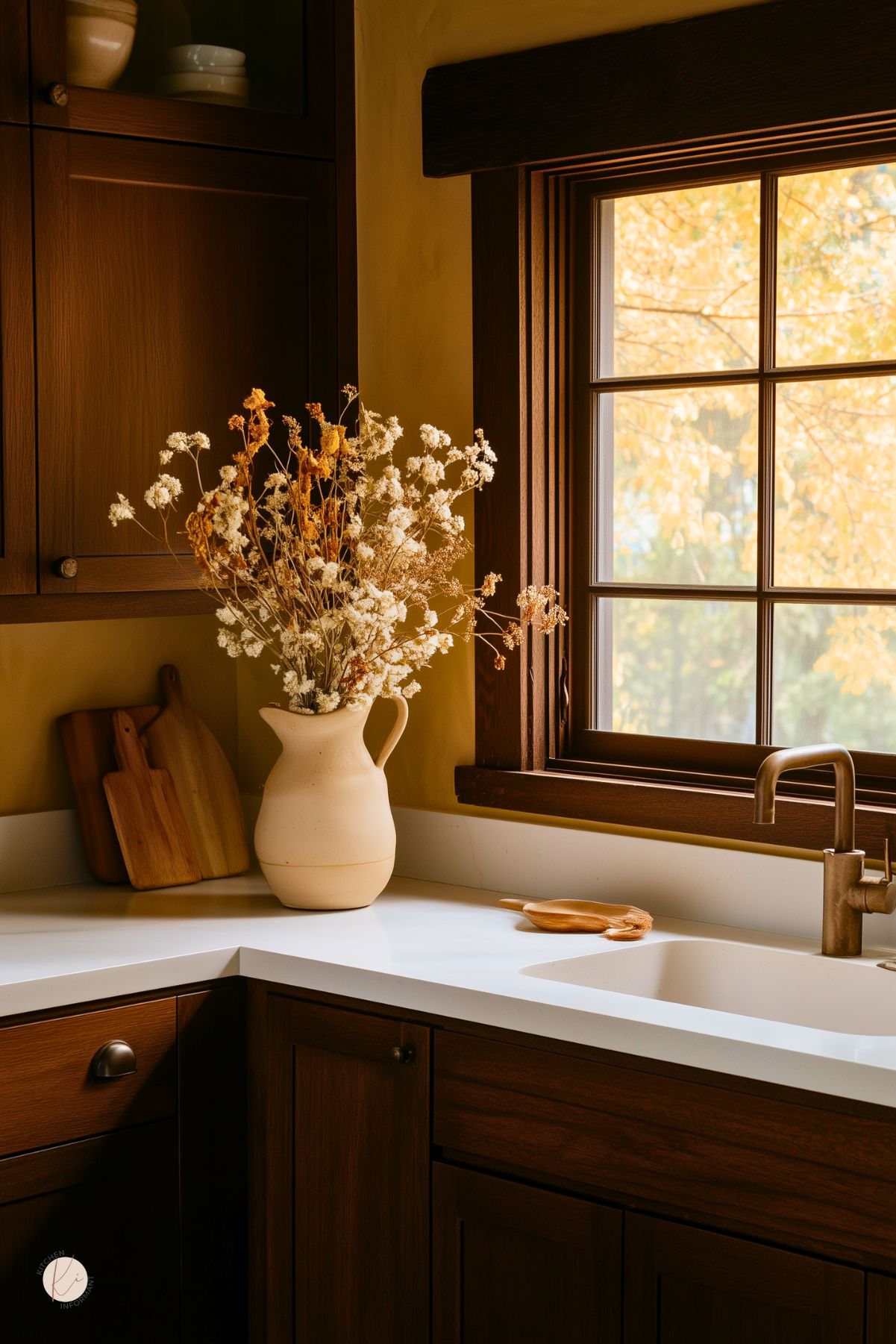
Combining earthy orange with natural materials can enhance its cozy vibe. Wood accents in cabinetry or countertops work beautifully with this palette.
Soft beige or light taupe can complement the orange, allowing the space to feel balanced and inviting.
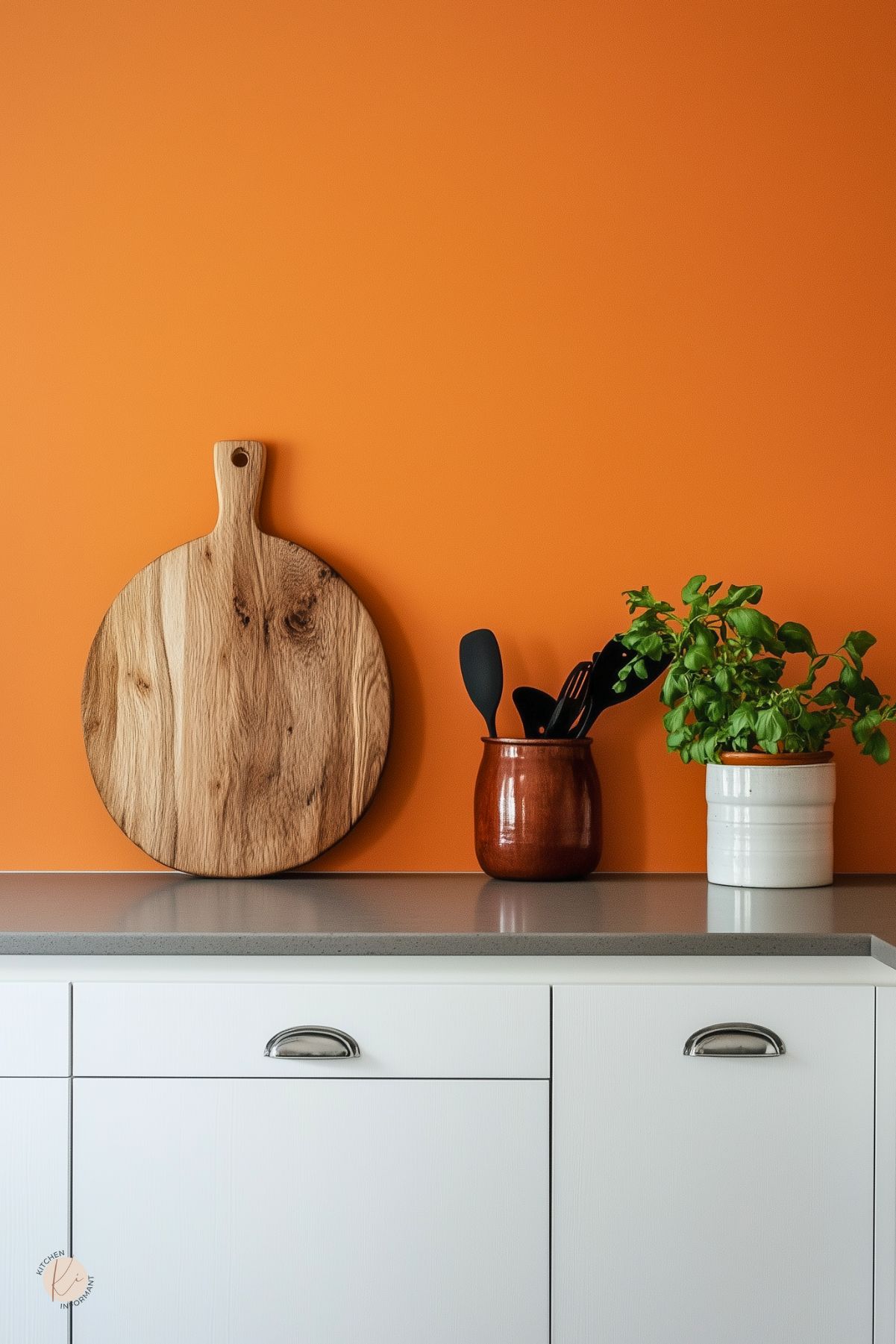
Using orange as an accent color can also be effective. A bright orange backsplash or artwork can inject warmth without overtaking the room.
This flexibility makes earthy oranges a popular choice for cozy kitchens.
Sunny Yellows for a Cheerful Space
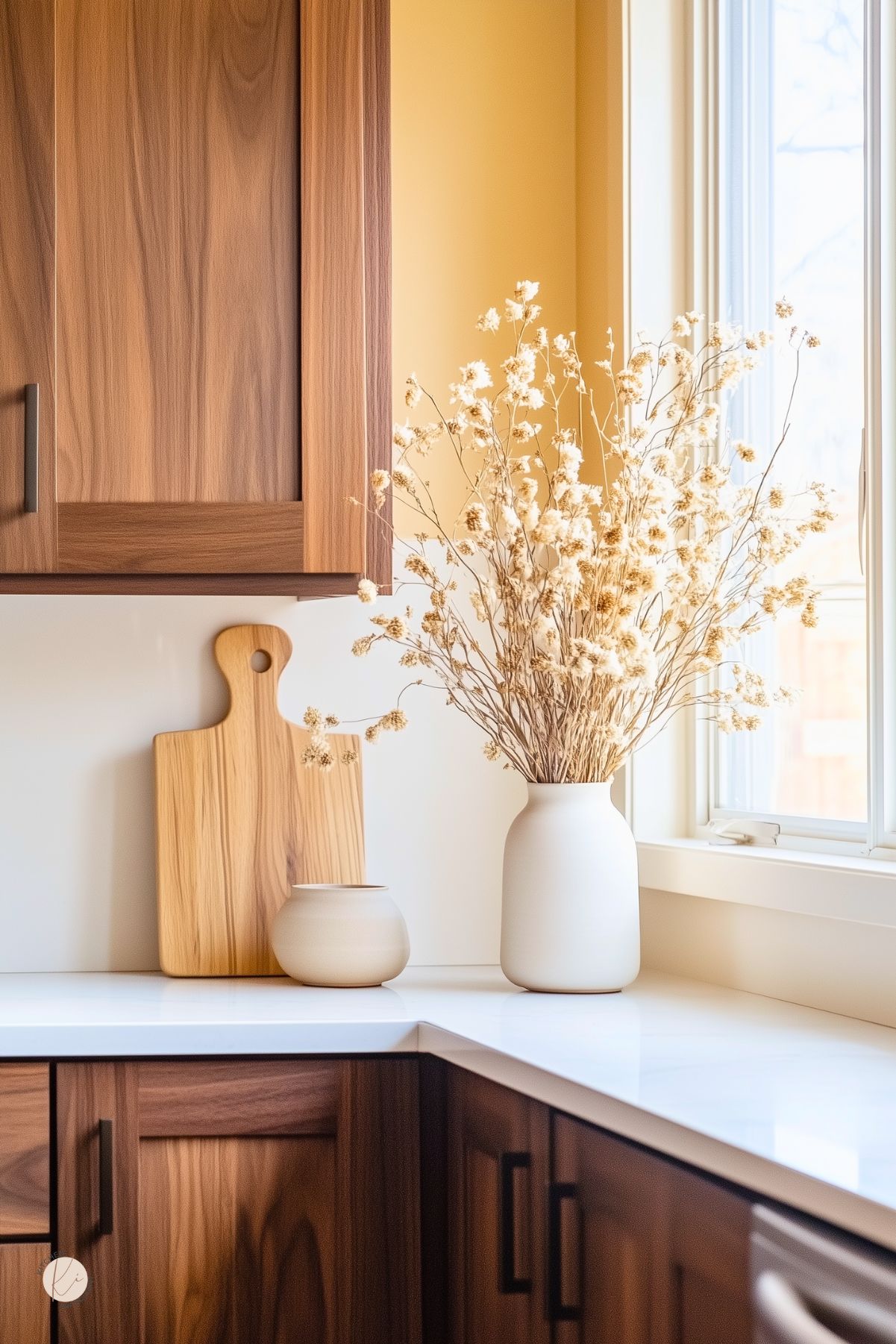
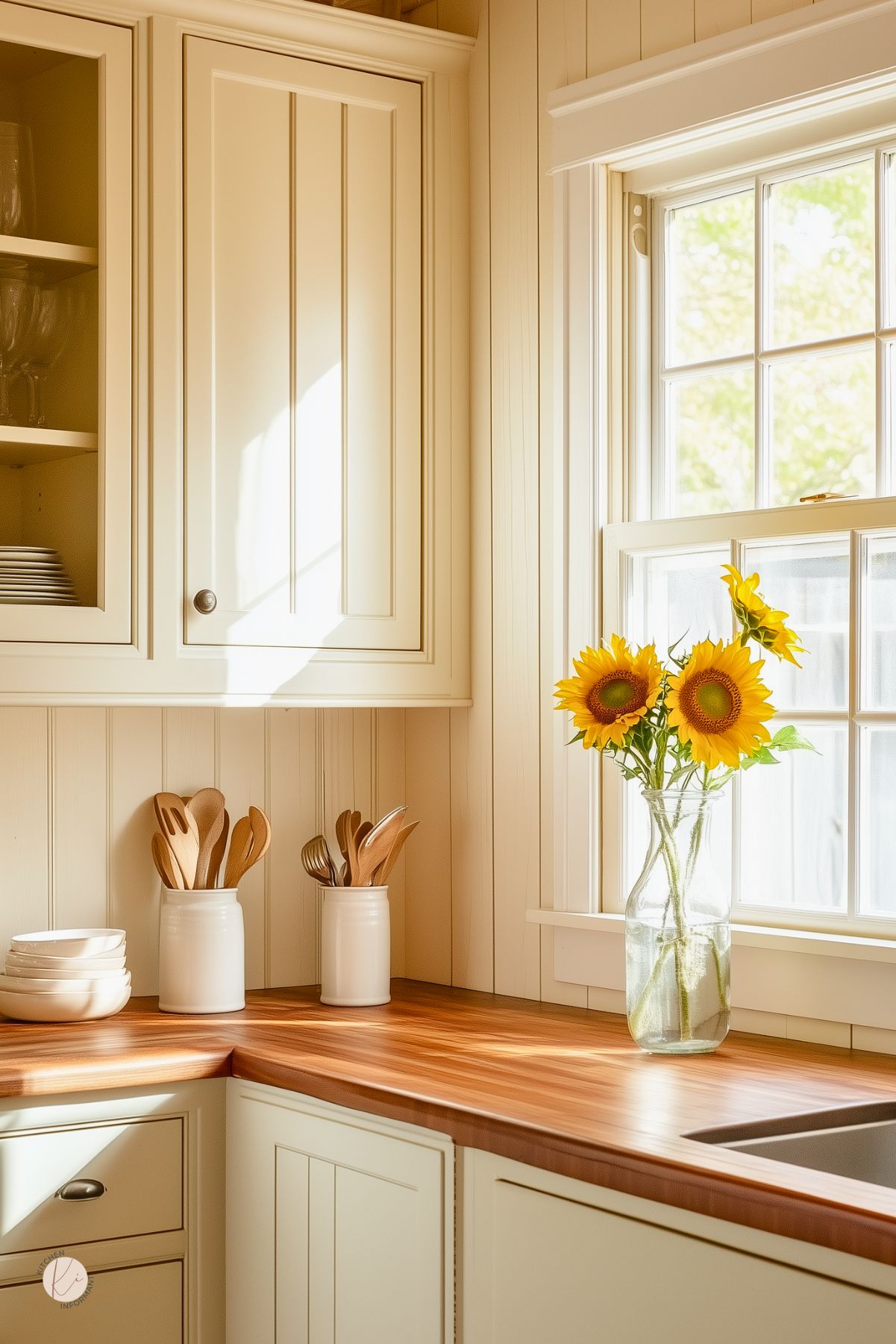
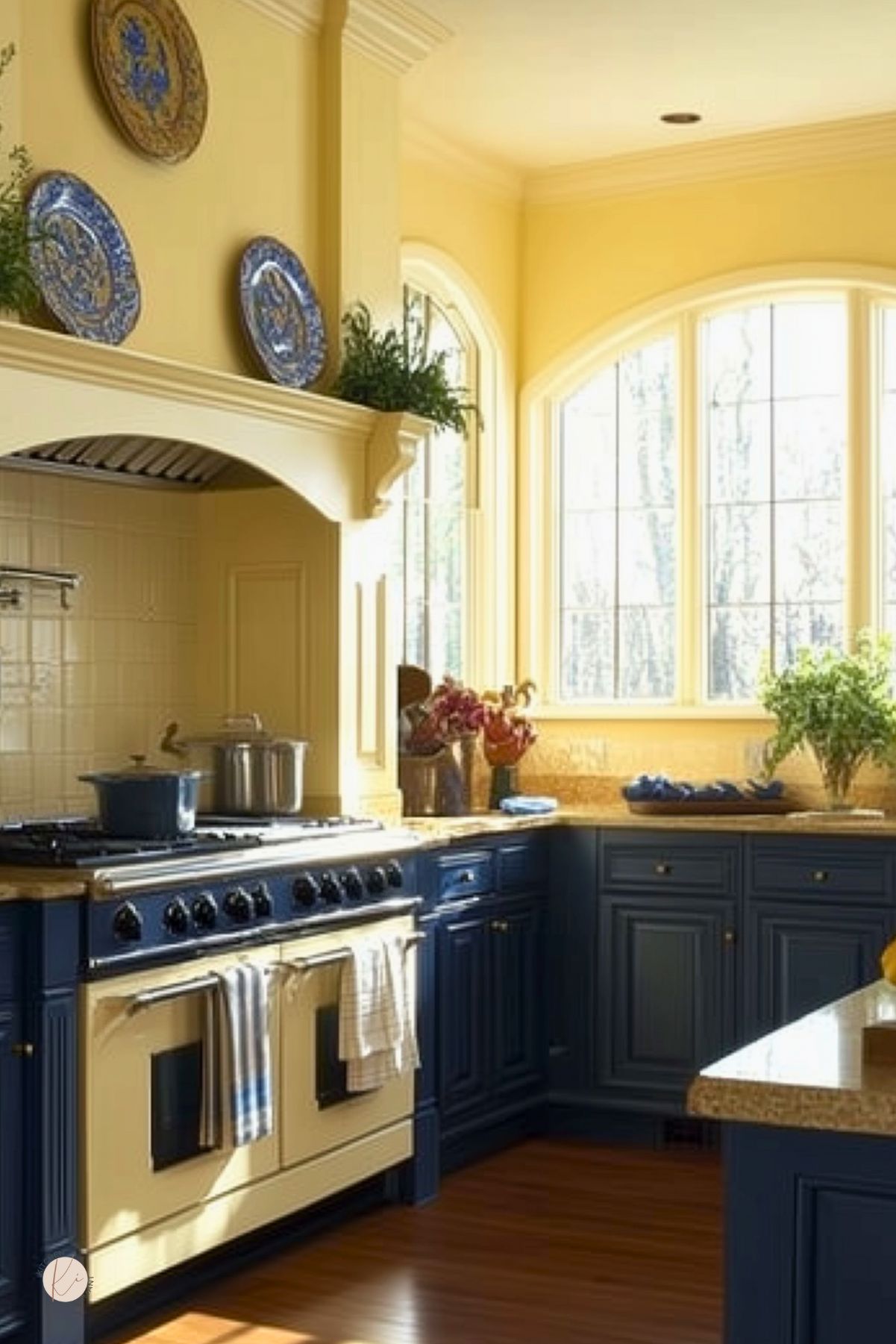
Sunny yellows can brighten a kitchen and lift spirits. Shades like buttery yellow or pastel lemon can create an uplifting atmosphere.
This color is great for small spaces, making them feel larger and more open.
Pairing sunny yellow with whites can enhance the airy feel. Soft gray or muted greens can provide contrast while keeping the kitchen light and cheerful.
Accessories in yellow, such as dishware or towels, can add joyous touches without needing a full repaint.
Using yellow on only one wall can be an ideal way to incorporate this bright color. It brings happiness without dominating the room.
This approach makes yellow a versatile and charming choice for any kitchen.
Paint Finishes and Their Impact
Choosing the right paint finish is essential for creating a cozy kitchen atmosphere. Different finishes not only affect the look but also the durability and ease of maintenance.
Below are important comparisons and practices related to paint finishes.
Matte vs. Glossy: A Comparison
Matte finishes offer a soft, non-reflective look. They are excellent for hiding imperfections on walls, making them perfect for cozy kitchens. However, they can be harder to clean. For example, stains may not wipe off easily.
Glossy finishes, on the other hand, reflect light and can make a space feel larger. They are durable and easy to clean, making them suitable for high-traffic areas.
However, glossy paints can highlight imperfections. A balance might be to use a satin finish, which provides a little gloss without being too shiny.
Best Practices for Paint Application
When applying paint, preparation is key. Clean the surfaces thoroughly to remove grease and dirt. This ensures better paint adhesion.
It’s also smart to apply a primer, especially if switching from a dark to a light color.
Using the proper tools enhances the finish. For smooth walls, a high-quality roller or brush is recommended.
Apply paint in thin layers, allowing each coat to dry before adding the next. This technique results in a more even finish and reduces the chance of streaks.
Color Pairings and Combinations
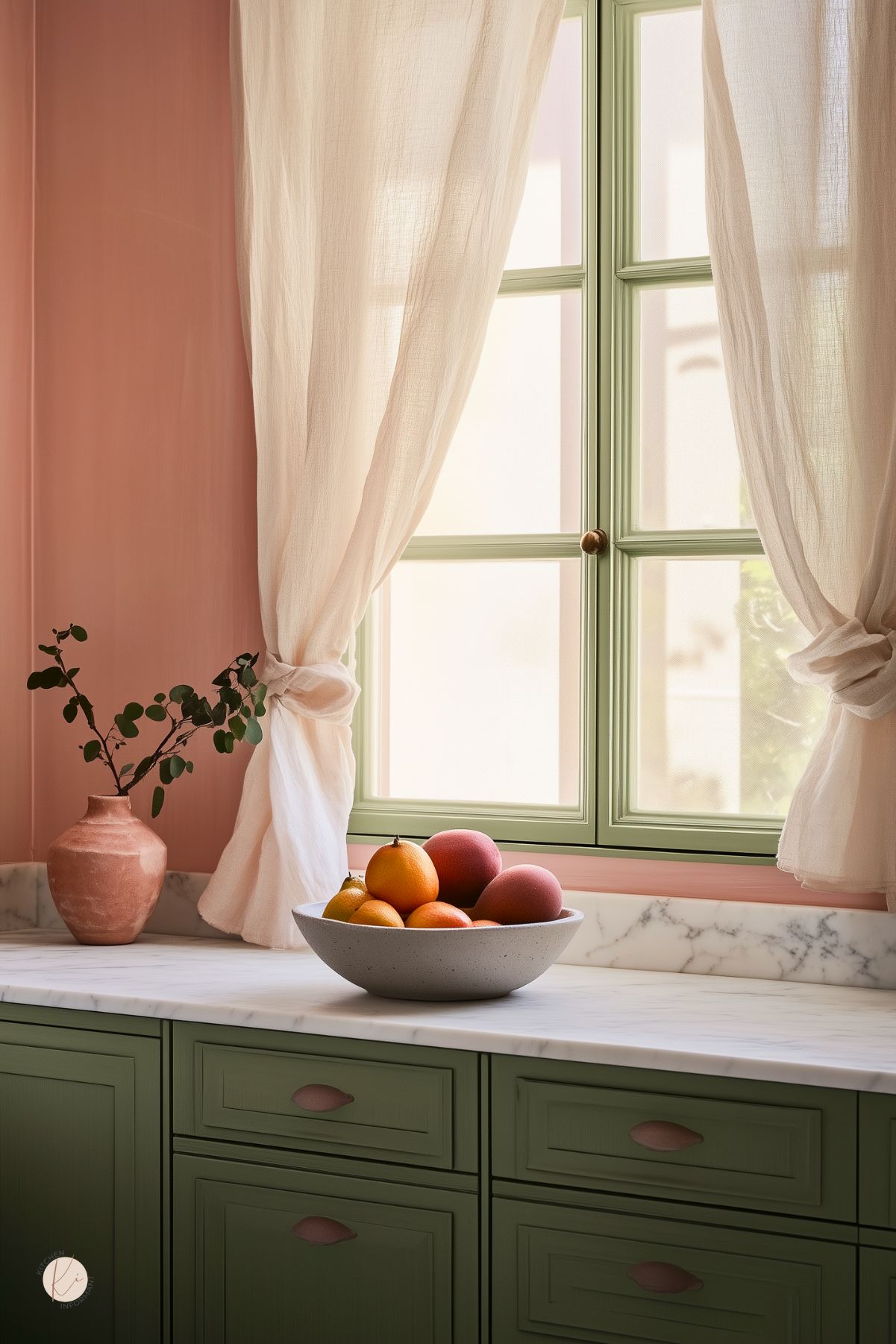
Creating a cozy kitchen involves choosing colors that work well together. Complementary color pairings can elevate the space, while neutral accents provide balance.
Each choice adds to the warmth and comfort of the kitchen.
Complementary Colors for a Harmonious Kitchen
Complementary colors are those that sit opposite each other on the color wheel. Using warm shades like orange and cool shades like blue can create a lively atmosphere.
For example, pairing a soft peach with a light teal can bring energy and warmth to the kitchen.
Popular Pairings:
- Warm Orange and Cool Blue: This combination adds a fun contrast.
- Soft Yellow and Charcoal Gray: Yellow brings sunshine, while gray grounds the palette.
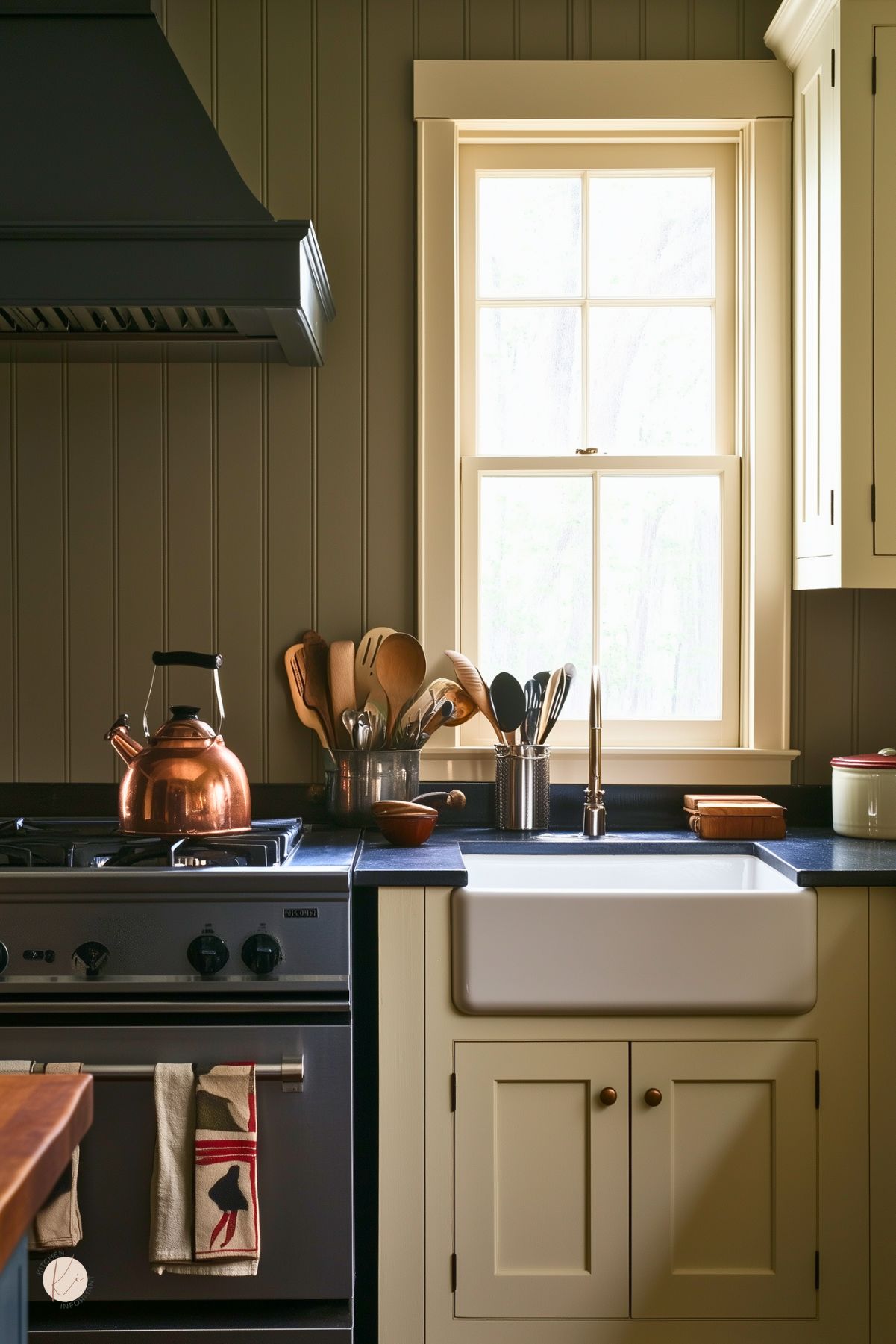
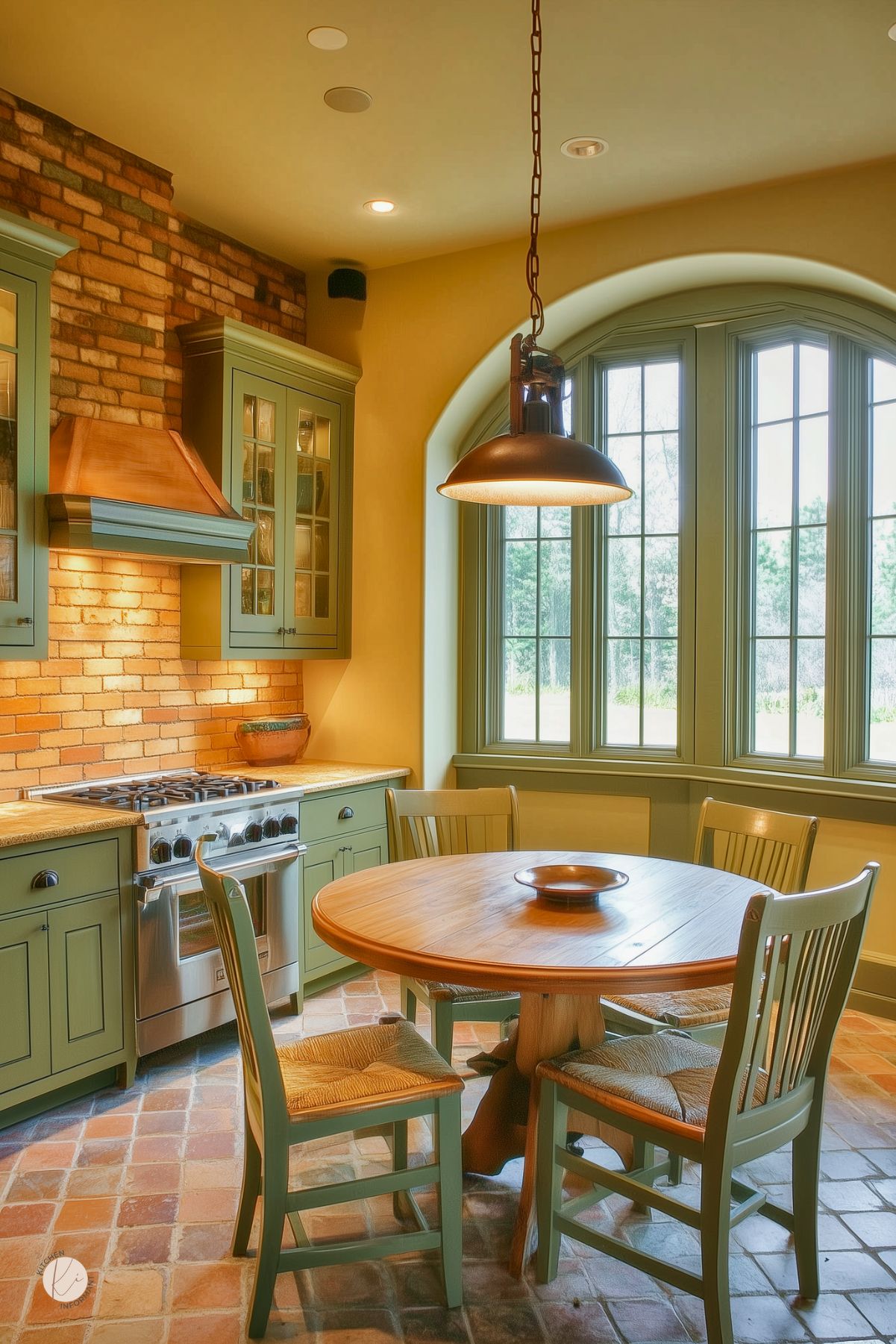
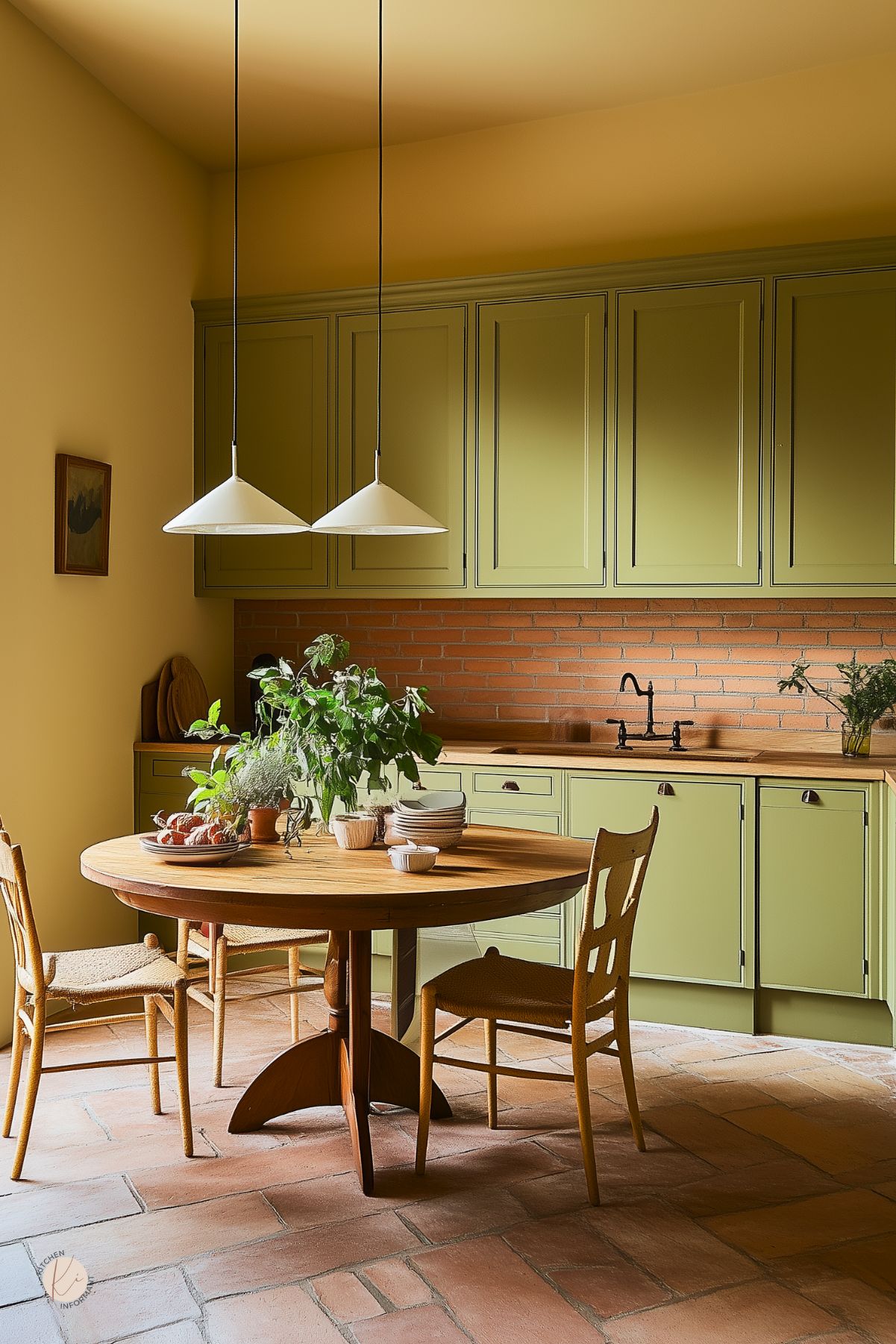
- Terra Cotta and Sage Green: This pairing feels earthy and inviting.
Choosing colors that harmonize can help make the kitchen inviting. Adding decor items in complementary colors, like dishware or wall art, can further enhance the look.
Neutral Accents to Balance Warmth
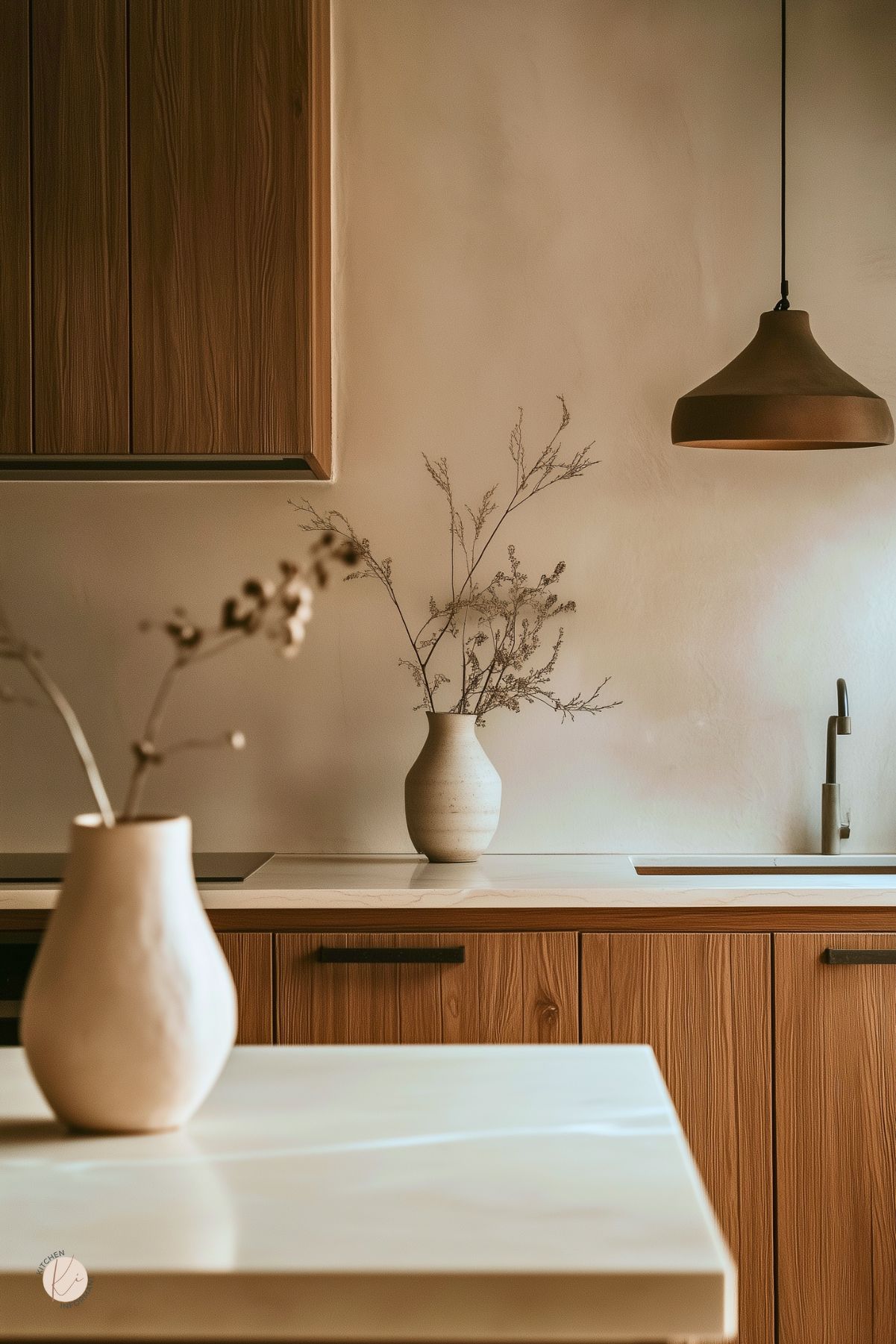
Neutral colors help anchor a warm color scheme. Shades like beige, cream, and light gray can balance out bolder colors to create a cozy environment.
These neutrals can be applied to cabinetry, countertops, or even backsplash tiles.
Effective Neutral Choices:
- Warm Beige: Adds a soft touch without overshadowing warm colors.
- Creamy White: Brightens the space while keeping the warmth intact.
- Light Gray: Offers a modern look while soothing the eye.
Incorporating these neutrals alongside warm hues will help create a comfortable and inviting kitchen. Adding textures, such as natural wood or soft textiles, can make the space feel even cozier.
Accents and Details
Accents and details play a crucial role in creating a cozy kitchen. Choosing the right trim and molding colors can enhance the overall look.
Adding depth with accent walls can bring warmth and visual interest to the space.
Choosing Trim and Molding Colors
Selecting colors for trim and molding can define the character of a kitchen. Light shades like soft whites or creamy beiges provide a clean, fresh look. They help make the space feel open and airy.
On the other hand, darker shades such as navy blue or charcoal can add sophistication. These colors create contrast and highlight architectural features.
It’s important to consider the main wall color when making this choice.
For a seamless appearance, coordinating trim with cabinet colors is beneficial. A slight contrast can also work well, creating a layered effect.
This attention to detail helps in achieving a polished, cozy atmosphere.
Adding Depth with Accent Walls
Accent walls are simple yet effective ways to create warmth in a kitchen. Choosing a rich color, such as deep green or warm terracotta, can make a bold statement. This can be particularly effective behind the stove or sink.
Textures can also add depth. Consider using wood paneling or textured wallpaper. These elements can create a cozy, inviting feel that complements the overall design.
When planning an accent wall, it’s smart to evaluate natural lighting. Natural light can change how a color appears, so testing swatches in various lighting is helpful. This will ensure the chosen color enhances the warmth of the kitchen environment.
You May Also Like: