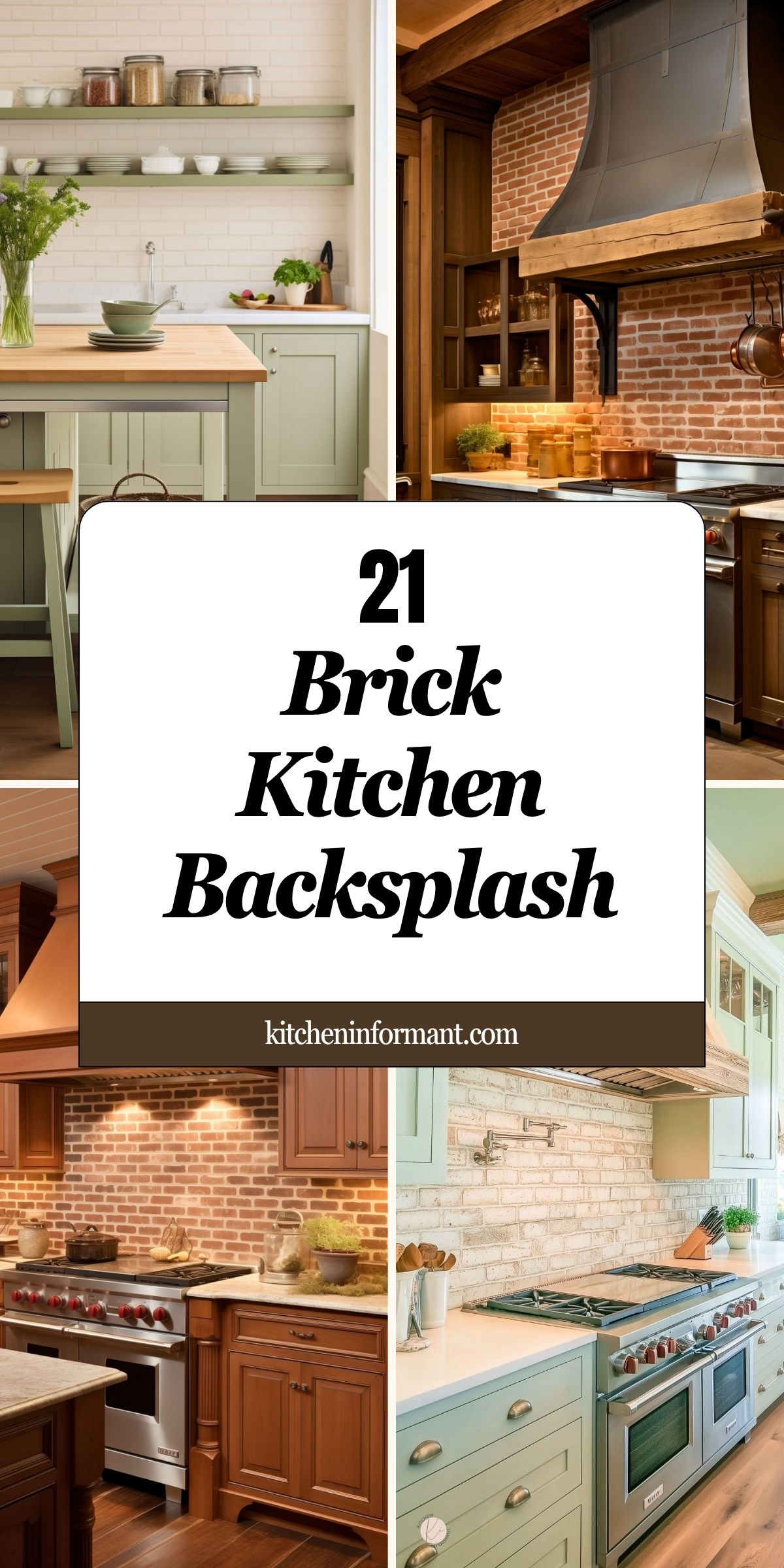
A brick kitchen backsplash adds warmth and character to cooking spaces. For those wanting a durable and stylish option, brick is an excellent choice that fits various design styles.
Its unique texture and color options can enhance any kitchen while providing practical benefits like heat resistance and easy maintenance.
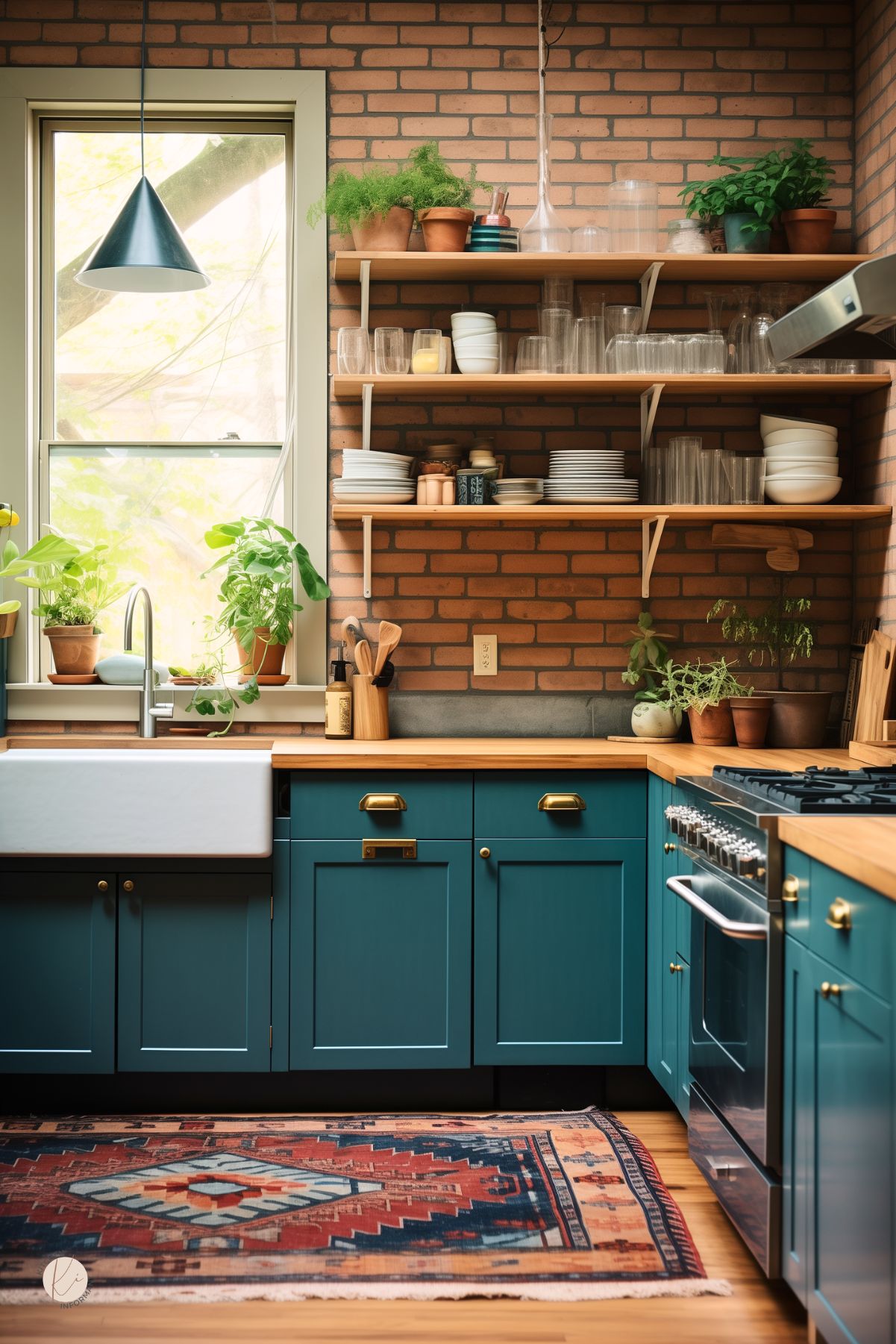
Many homeowners are discovering the charm of brick backsplashes. Whether opting for a classic red or a trendy white, brick can transform an ordinary kitchen into a striking focal point.
Not only does it look great, but it also allows for personal expression through different patterns and colors.
In a world where kitchen renovations can be daunting, choosing a brick backsplash simplifies the process.
With easy installation and a timeless appeal, brick can fit any aesthetic, from rustic to modern. This makes it an attractive option for anyone looking to refresh their kitchen space.
Exploring the Appeal of Brick Backsplashes
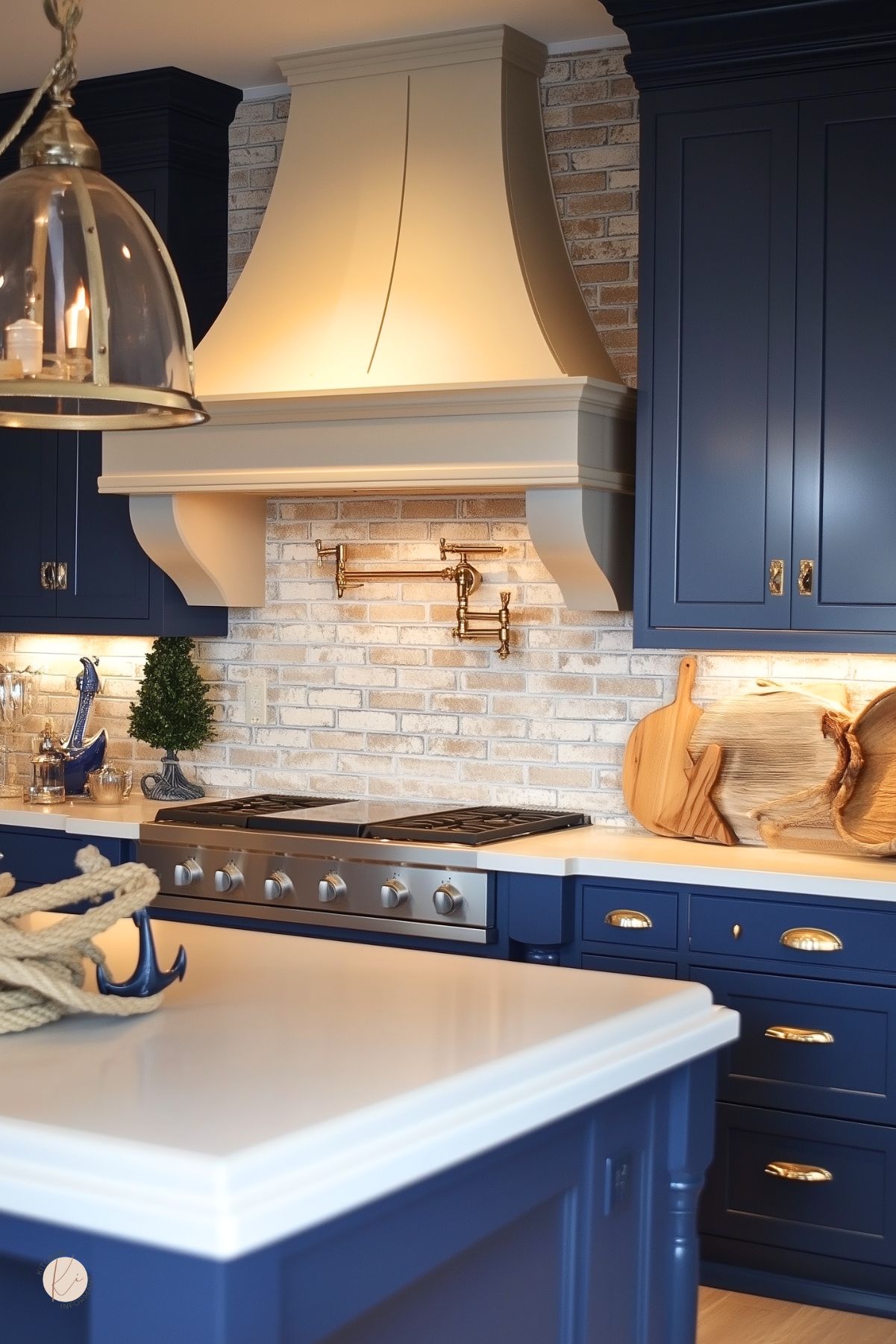
Brick backsplashes bring a unique charm to kitchens. They combine historical elements with warmth and style. This section focuses on the charm, texture, and design flexibility that makes brick a popular choice.
Historical Charm
Brick backsplashes carry a sense of history and tradition. They evoke feelings of nostalgia, reminding many of old-world kitchens. Using real or faux brick creates an authentic look that can tie in with rustic or farmhouse styles.
Brick has been a staple in building for centuries. Its enduring nature means it not only looks good but also tells a story. This quality adds depth to modern designs, making a kitchen feel more inviting and homey.
Warmth and Texture
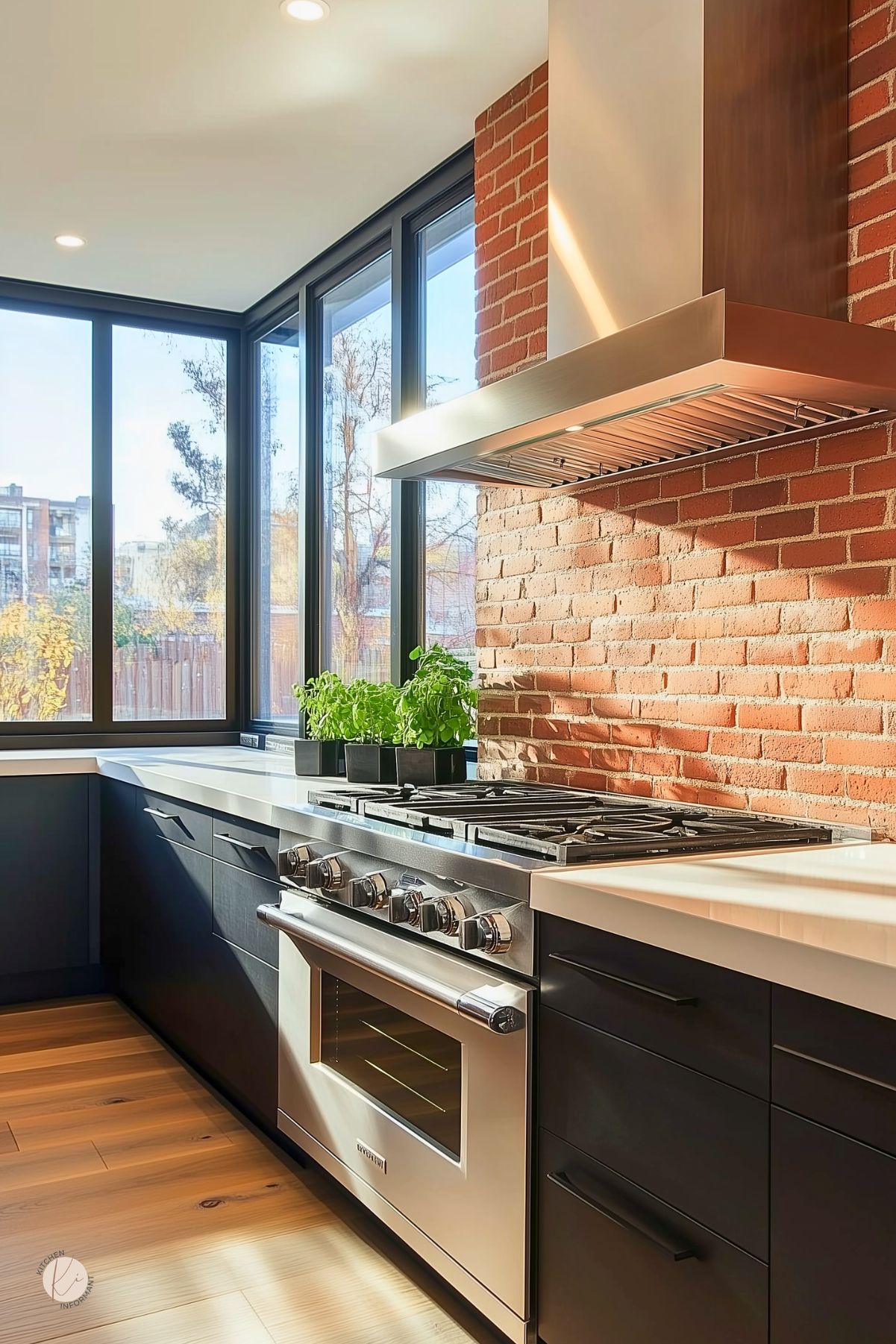
The texture of brick creates a cozy atmosphere in kitchens. Its uneven surface softens the stark look of modern cabinetry and appliances. This contrast enhances the visual appeal.
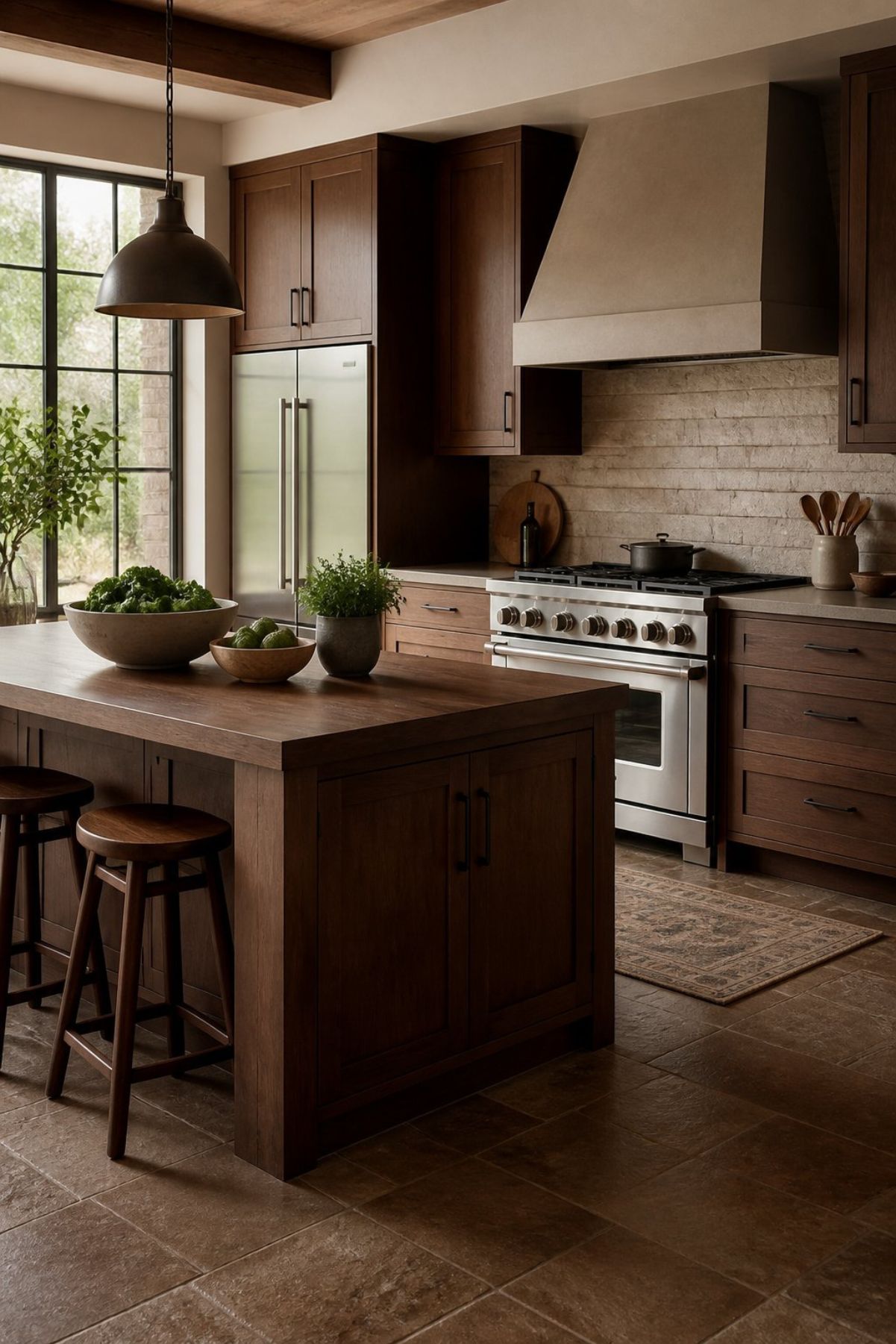
Bricks come in various colors and finishes, adding character. Red, tan, and grey bricks can suit different palettes. With a textured brick backsplash, a kitchen feels more personal and less clinical compared to smooth, flat surfaces.
Versatility in Design
A brick backsplash is incredibly versatile. It can fit various kitchen styles, from traditional to contemporary. This adaptability makes it a favorite among homeowners.
Bricks can be arranged in different patterns, such as herringbone or stacked. This allows for personalized designs that reflect an individual’s taste. Pairing brick with other materials, like wood or glass, adds even more options for creativity.
Choosing a brick backsplash helps create a space that is both stylish and functional.
Design Considerations for Brick Backsplashes
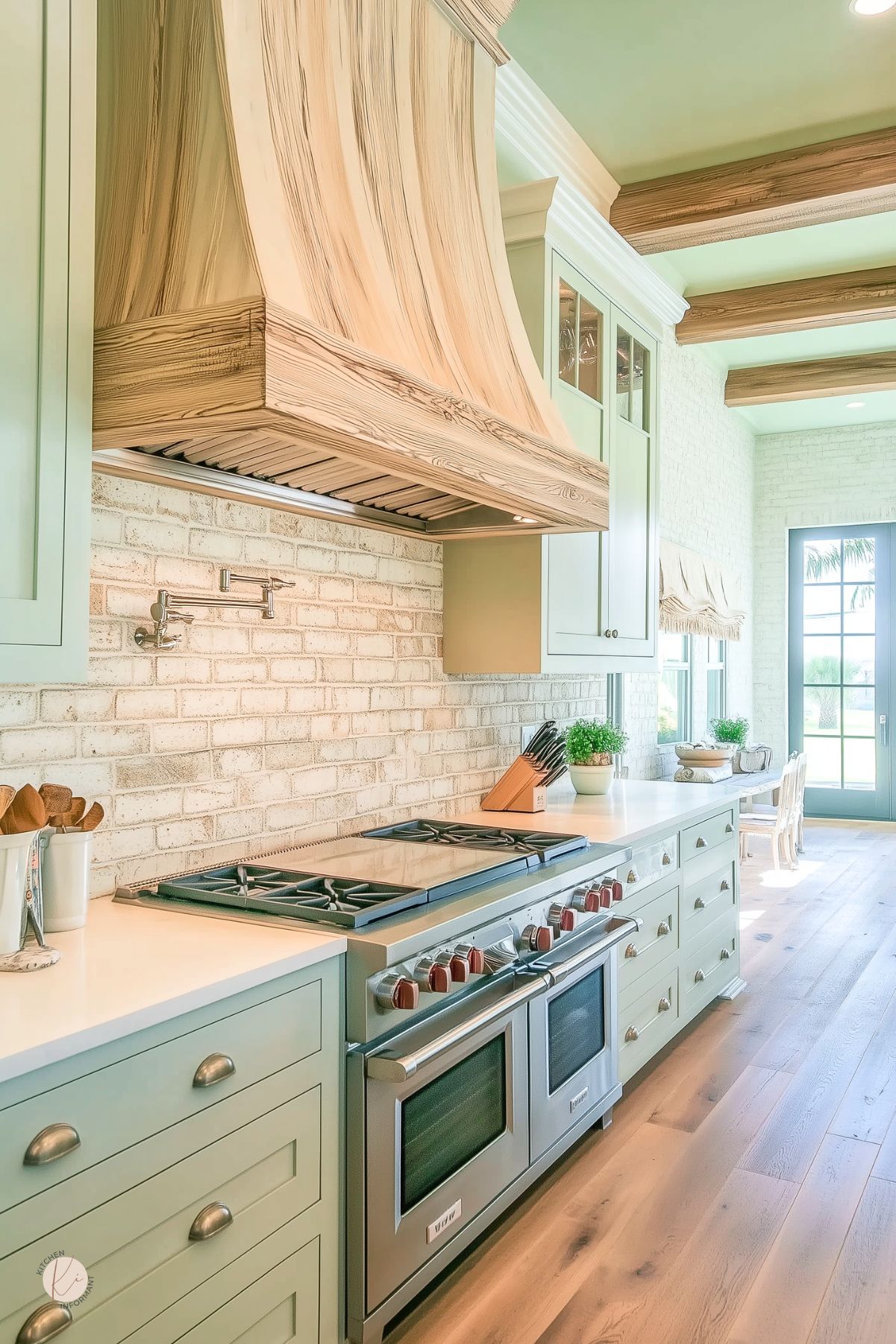
When planning a brick backsplash, many factors come into play. The color, type of brick, and grout options all affect the overall look and feel of the kitchen. Each choice should align with personal taste and the kitchen’s design theme.
Choosing the Right Brick Color
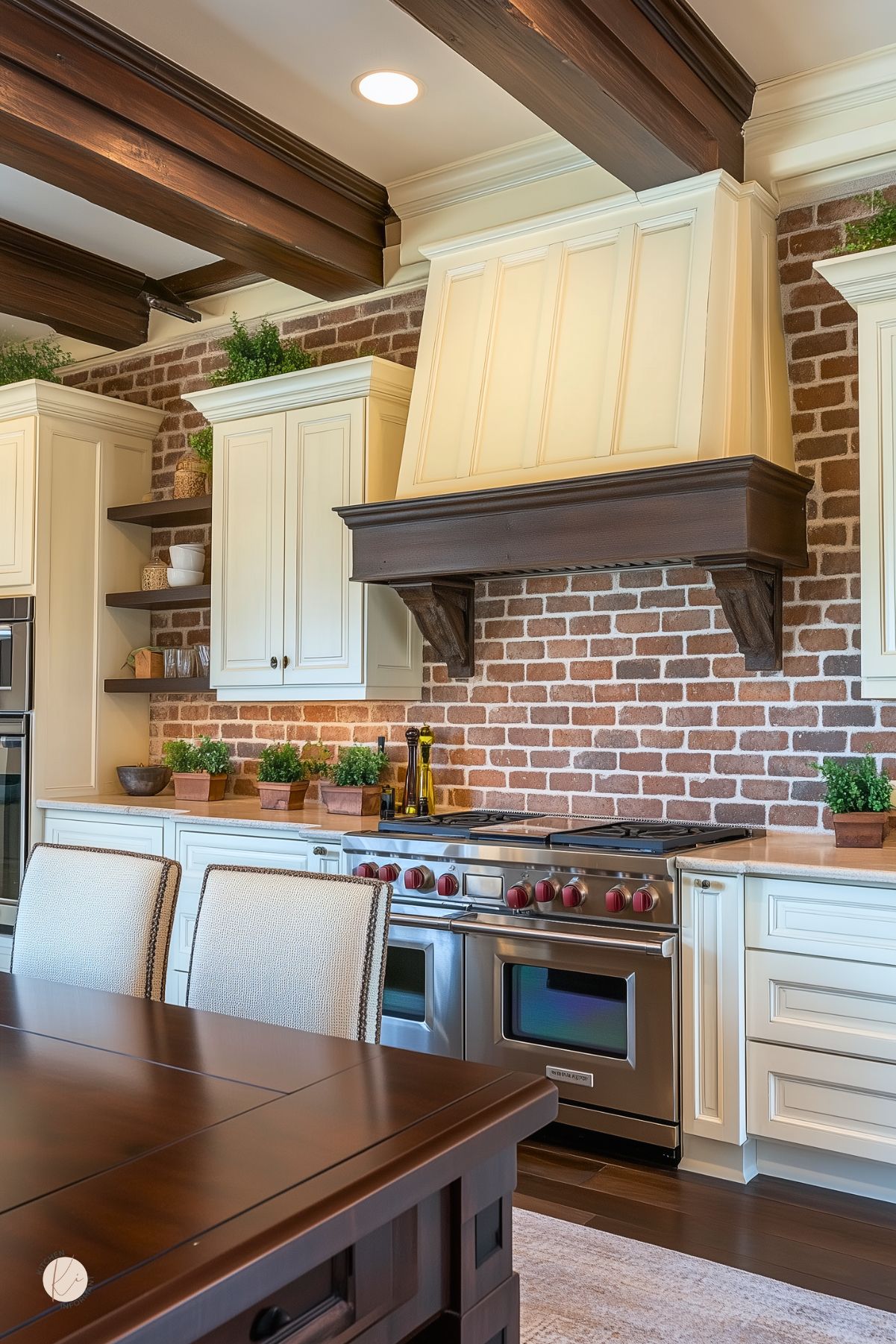
The color of the brick is a key decision. Colors can range from classic red to modern white or gray. Each shade creates a different mood in the kitchen. For example, rich red bricks add warmth and a rustic feel, while whitewashed bricks offer a fresher, lighter appearance.
Homeowners should consider the surrounding elements, such as cabinets and countertops. A high contrast between the brick and these features can create a striking look. Alternatively, choosing complementary colors can lead to a more cohesive design.
Also, test samples in the kitchen’s lighting. Natural and artificial light can change how colors appear, so seeing them in the actual space will help in making the best choice.
Real Brick vs Brick Veneer
Choosing between real brick and brick veneer is another important decision. Real brick is sturdy and has a unique texture that can add depth to the kitchen. However, it can be heavier and may require more structural support during installation.
On the other hand, brick veneer is lighter and easier to install. It mimics the look of real brick, which is appealing for those who want the aesthetic without the extra weight. Veneer options also offer a variety of styles and finishes.
When selecting the type, consider durability and maintenance. Real brick can last longer but might require occasional sealing, while veneer is easier to clean.
Grout Options and Color Selection
Grout is not just functional; it also plays a significant role in aesthetics. Choosing the right grout color can enhance or minimize the brick’s appearance. White or light-colored grout can brighten the space, while dark grout can highlight the texture of the bricks.
Homeowners should also think about the thickness of grout lines. Thinner lines create a seamless look, whereas thicker lines can add more definition to each brick. Consider how often the kitchen will be used, as certain grouts may require more maintenance than others.
Different grout materials, like epoxy or cement-based, offer various durability and ease-of-cleaning options. Researching these choices will help in making the right decision for the kitchen’s backsplash.
Maintenance and Care
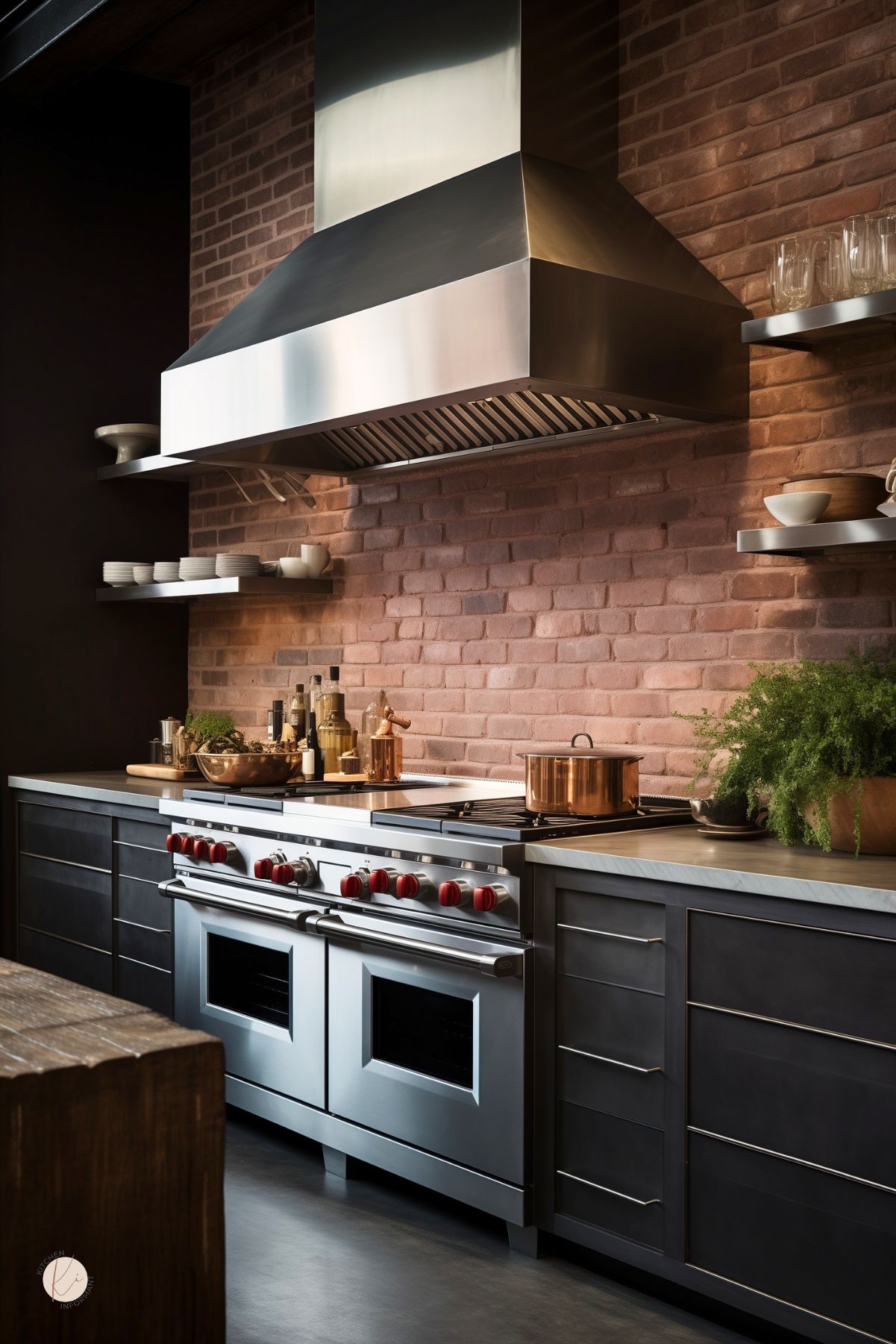
Taking care of a brick kitchen backsplash involves simple, regular tasks that can keep it looking great. Proper maintenance protects the bricks from damage and ensures they remain a stunning feature in the kitchen.
Routine Cleaning
Routine cleaning is essential for maintaining the beauty of a brick backsplash. It is best to use a mixture of warm water and a few drops of mild dish soap.
Using a soft cloth or sponge, gently scrub the bricks, focusing on small sections at a time. This method prevents water from seeping into the mortar and causing damage.
Leave harsh chemicals alone since they can harm the brick. Instead, stick to gentle cleaners that won’t strip the natural look of the surface. Regular cleaning keeps the backsplash fresh and attractive.
Dealing With Stains and Spills
Spills happen, and dealing with them quickly is vital to prevent stains. For minor spills, wipe the area with a damp cloth right away to remove any residue.
For tougher stains, a paste made of baking soda and water can help. Apply it to the stain and let it sit for a few minutes before gently scrubbing with a sponge. Rinse thoroughly with water afterward.
If a stain becomes persistent, a specialized brick cleaner may be necessary. Always test a small area first to ensure that the cleaner does not damage the surface.
Long-Term Upkeep
Long-term upkeep includes sealing the brick to prevent moisture and stains from penetrating the surface. Using a quality sealant every few years is recommended.
A good rule of thumb is to reapply the sealant whenever it starts to lose its sheen or shows signs of wear.
Regular inspections can also help spot issues early, like cracks or other damage. Addressing these problems promptly prevents them from worsening and maintains the backsplash’s visual appeal.
Creative Ideas for Brick Backsplash Enhancement
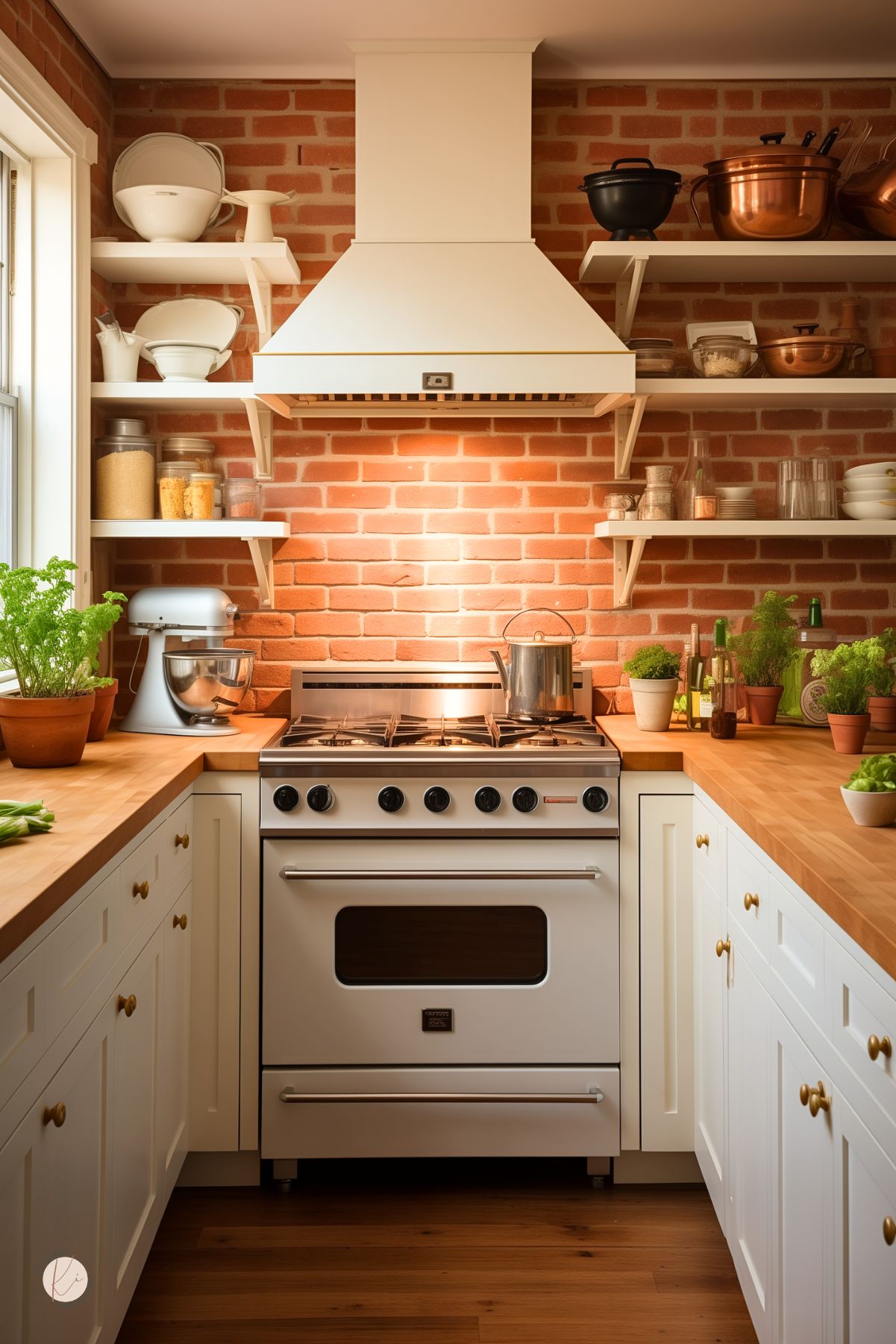
Enhancing a brick backsplash can transform a kitchen into a stylish and inviting space. Here are some creative ideas to elevate the look and functionality of a brick backsplash.
Incorporating Patterns and Designs
One way to enhance a brick backsplash is by incorporating unique patterns and designs. This can be achieved through staggered layouts or herringbone patterns.
Using various colors of grout can also add depth and character. For example, dark grout can create a bold contrast against lighter bricks.
Another option is to mix different brick textures. Smooth bricks paired with rough-hewn finishes can give an attractive contrast.
These creative techniques allow for personalization and uniqueness. This approach makes the backsplash a key feature in the kitchen.
Adding Accent Lighting
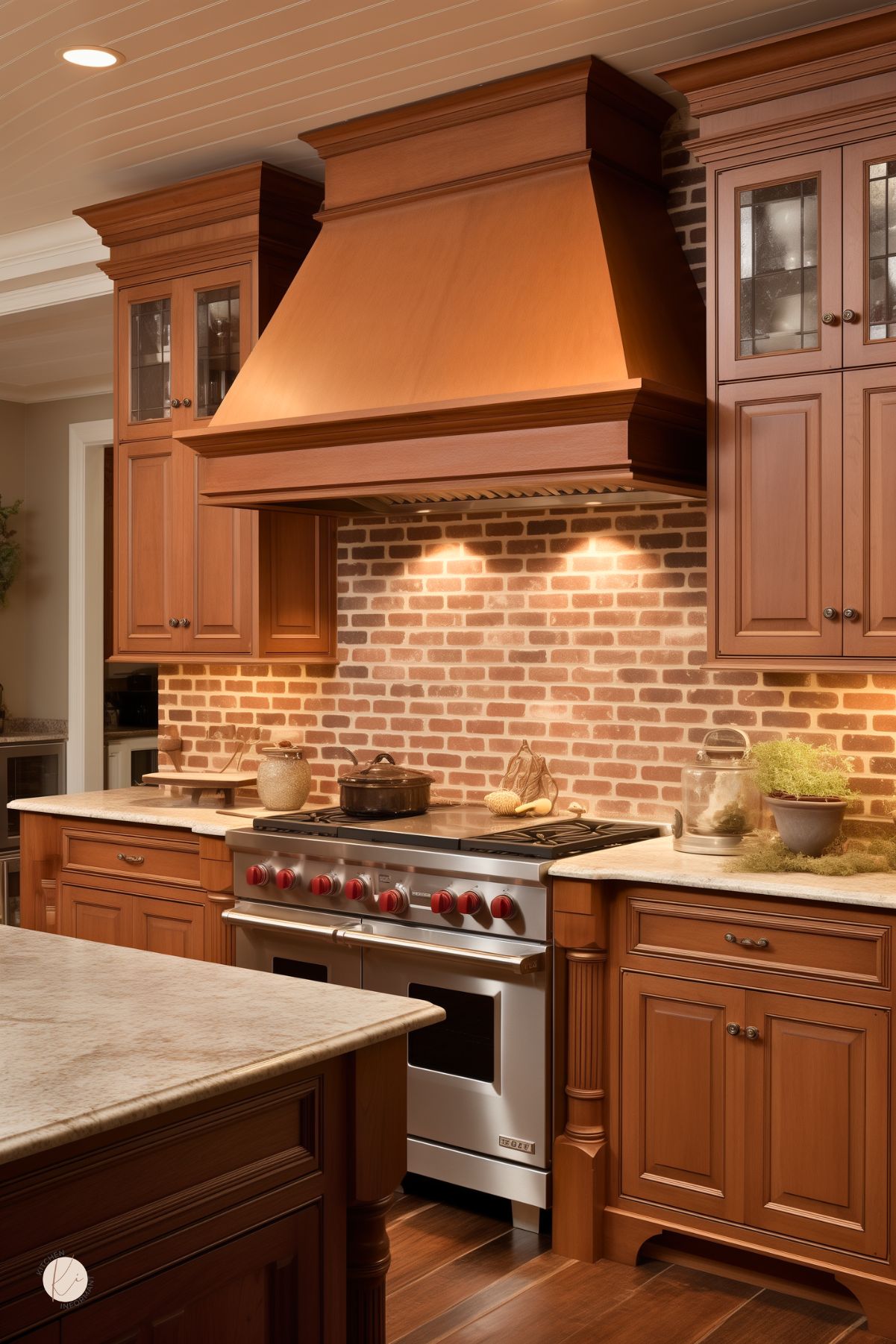
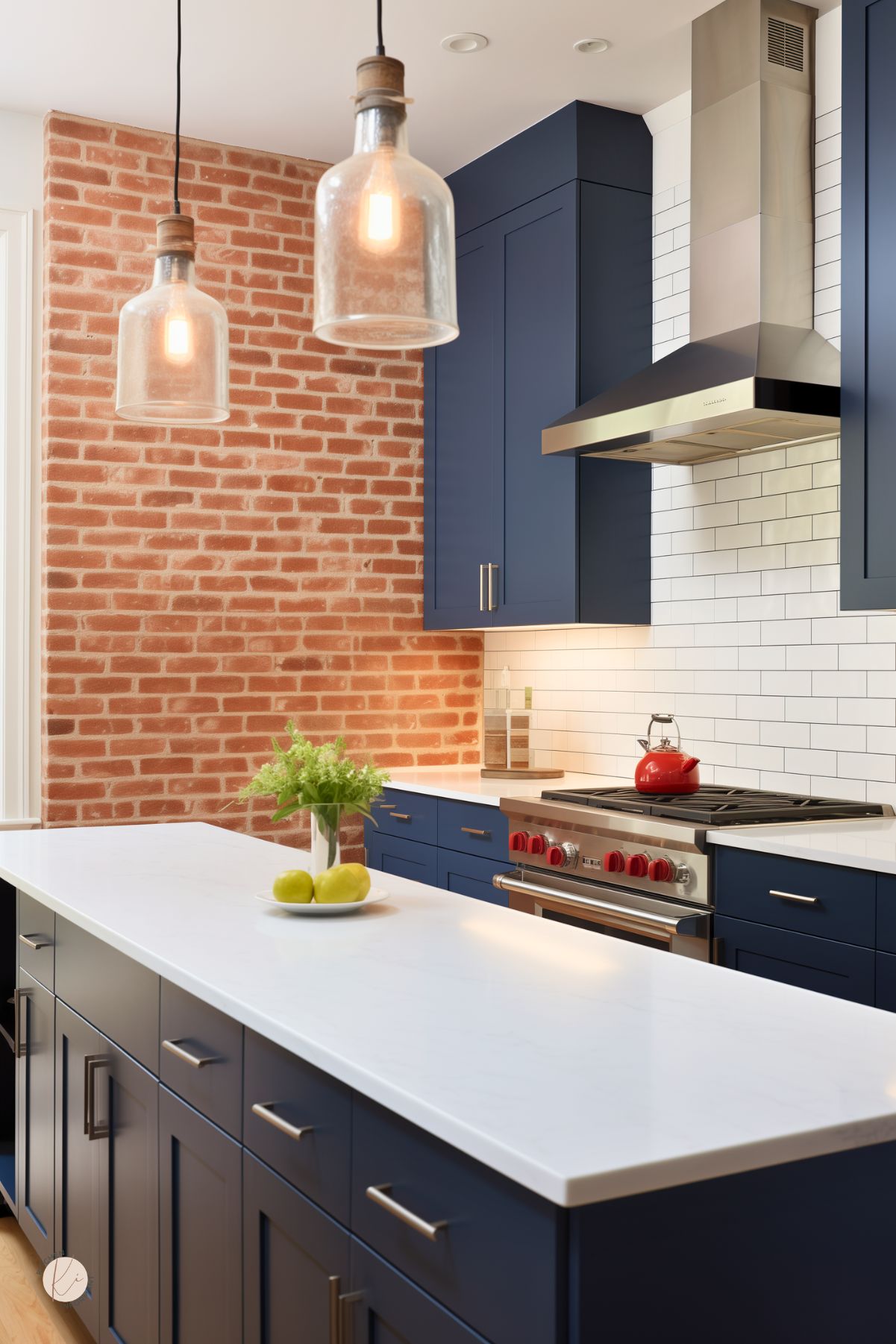
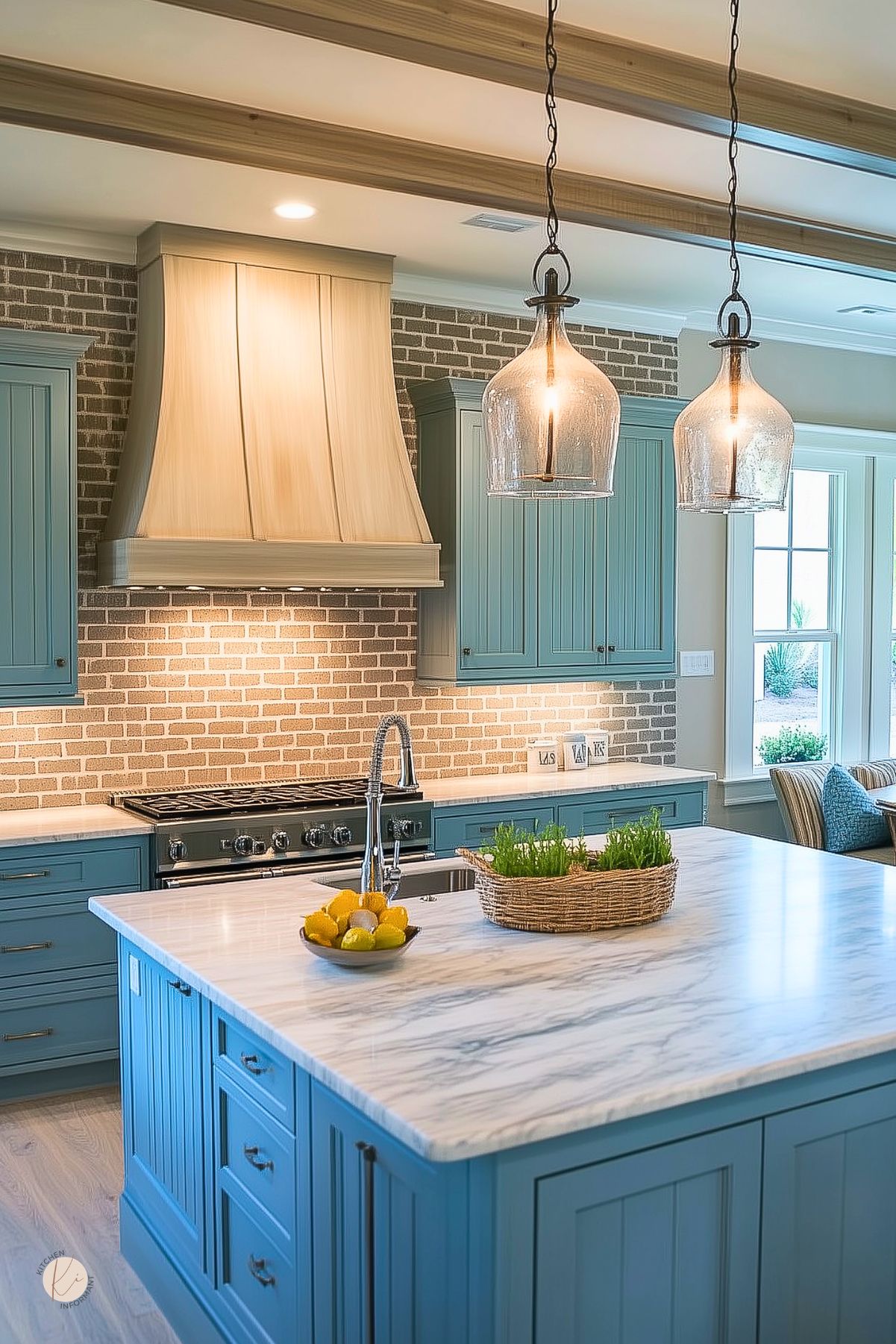
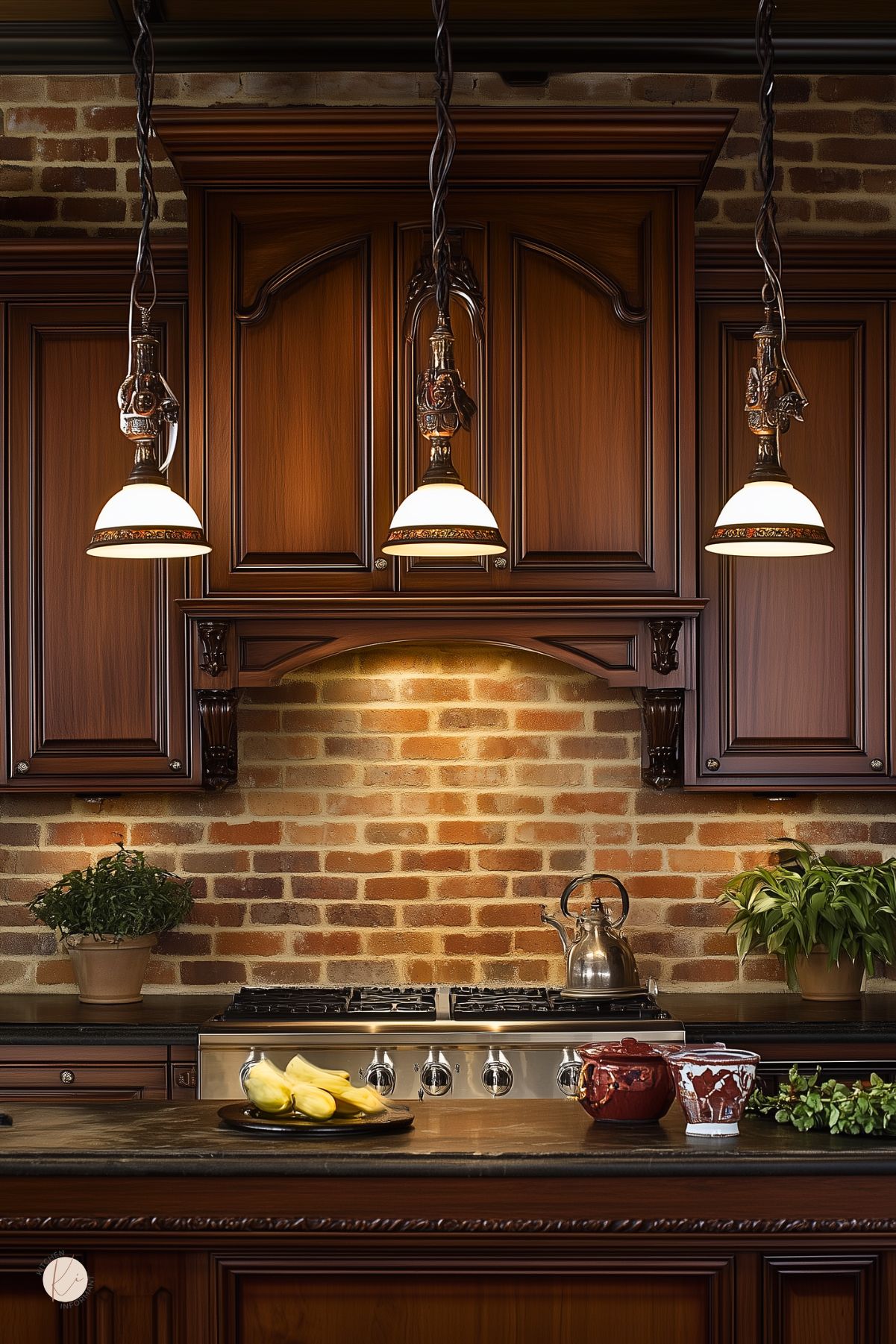
Accent lighting can bring a brick backsplash to life. Under-cabinet LED lights provide softer illumination that highlights the texture of the bricks.
Using adjustable lights allows for different moods throughout the day. Dimmable options can create a cozy atmosphere during the evening.
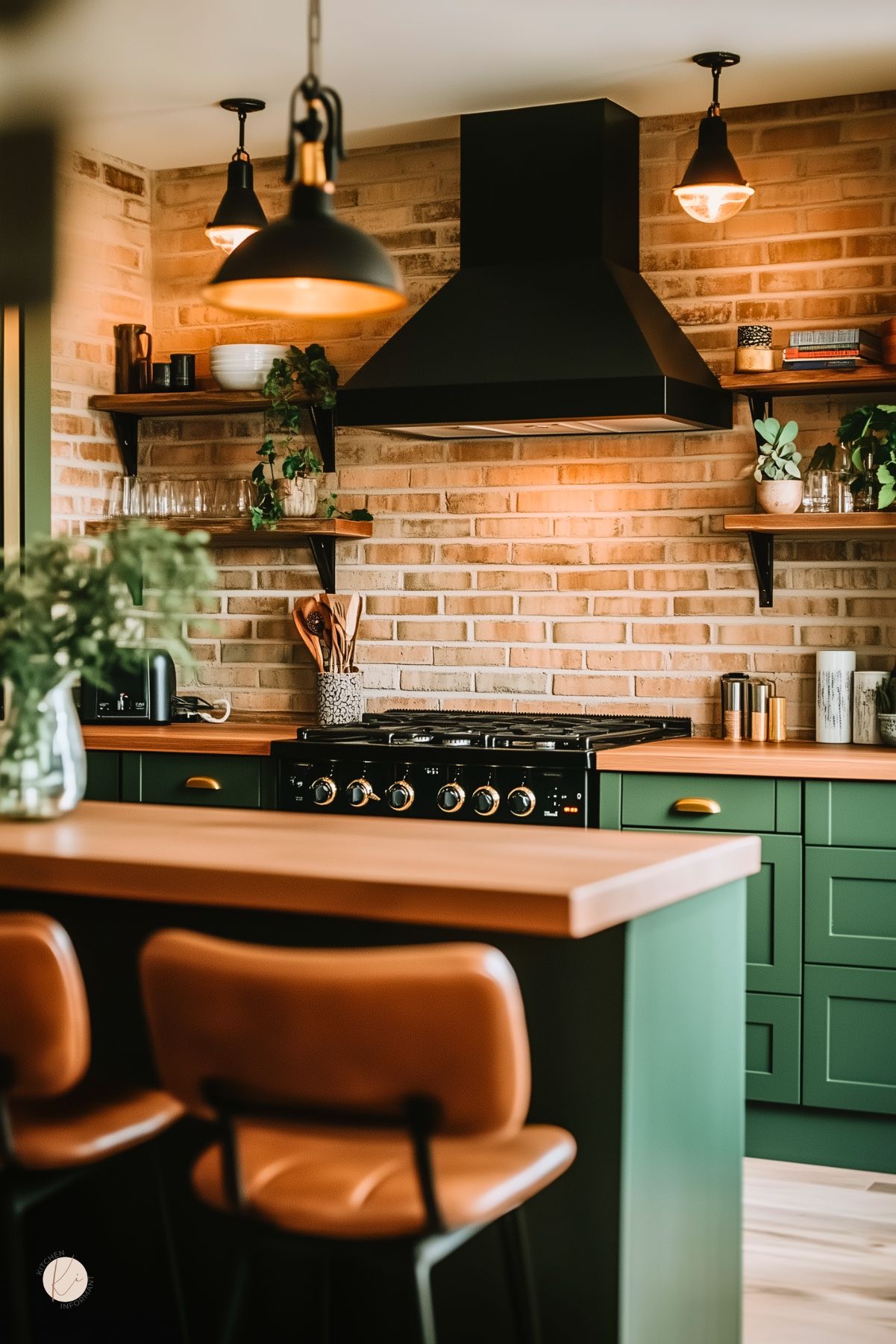
Another idea is to install pendant lights above the counter. This draws attention to the backsplash while providing functional lighting.
Incorporating light fixtures with warm tones adds to the inviting vibe. It creates a welcoming atmosphere ideal for family gatherings and entertaining.
Integrating Shelving and Storage
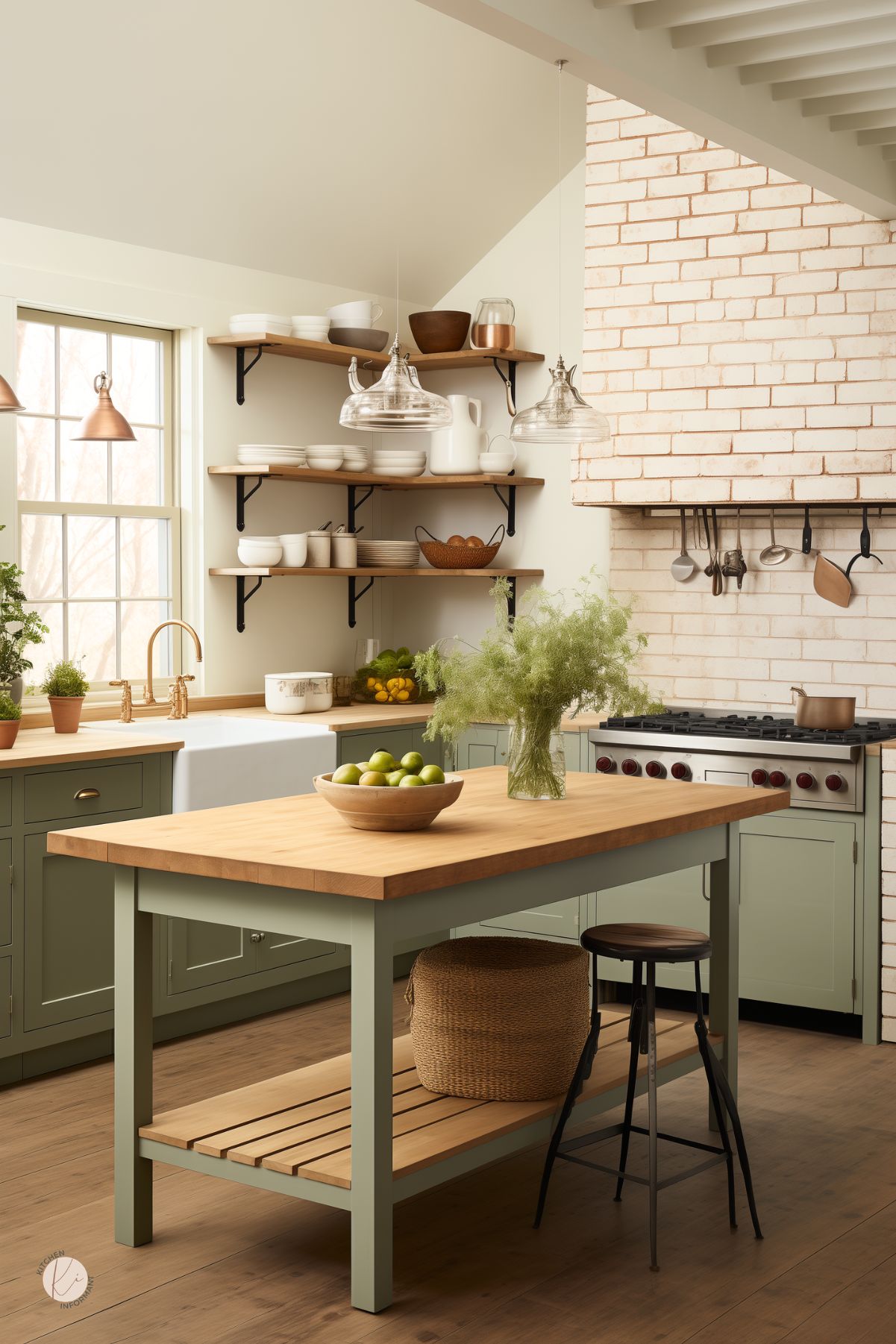
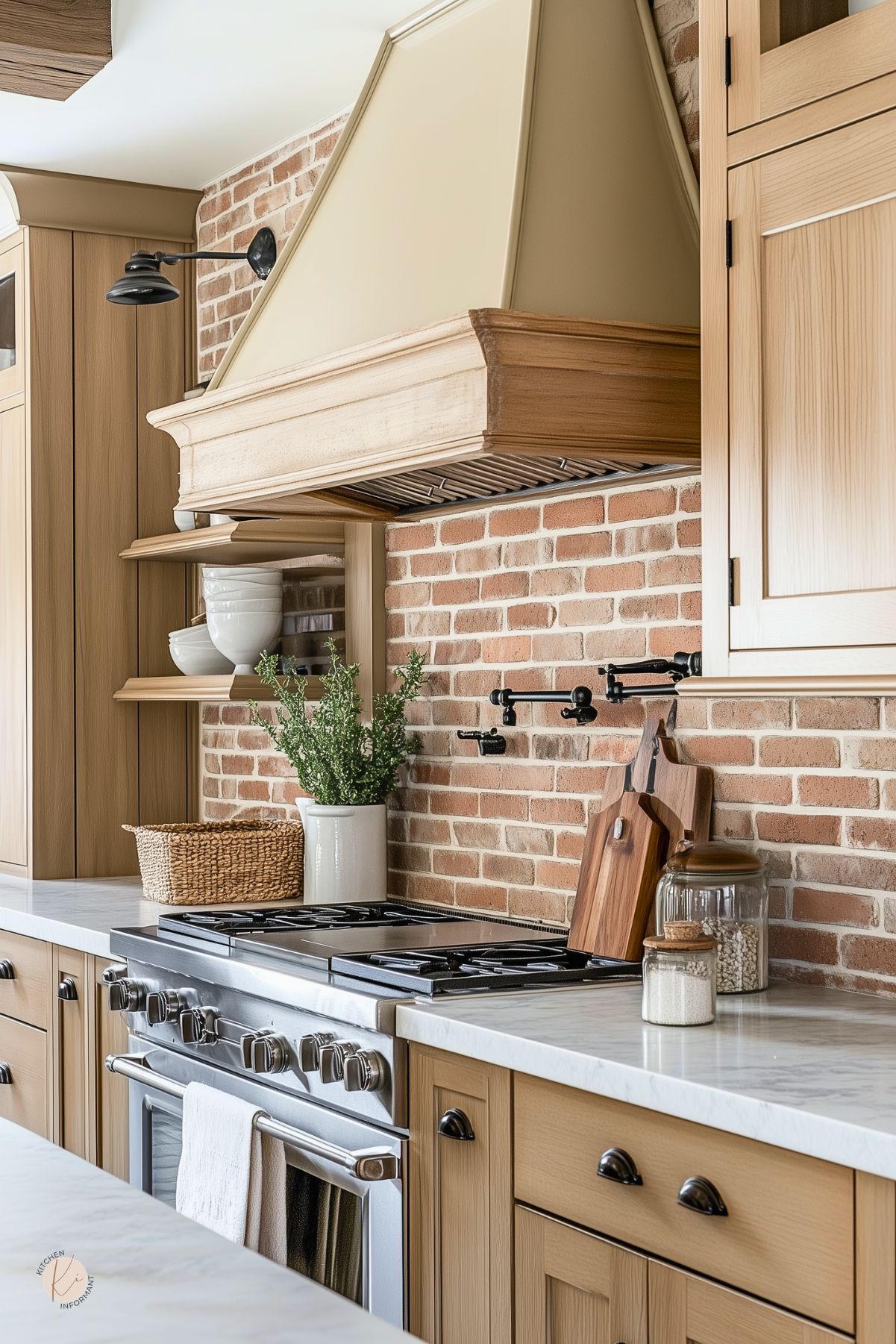
Integrating shelving into a brick backsplash can maximize both style and functionality. Open shelving can display decorative items or cookbooks, enhancing the overall aesthetic.
Using wood or metal shelves can contrast nicely with the brick. This contrast adds dimension and interest to the space.
Another option is to install spice racks or small cabinets. This can keep frequently used items within reach while maintaining a tidy appearance.
Utilizing the backsplash for storage can free up counter space. It makes the kitchen look organized and visually appealing.
These enhancements create a beautiful focal point that combines practicality with style.
Brick Backsplash Trends and Inspirations
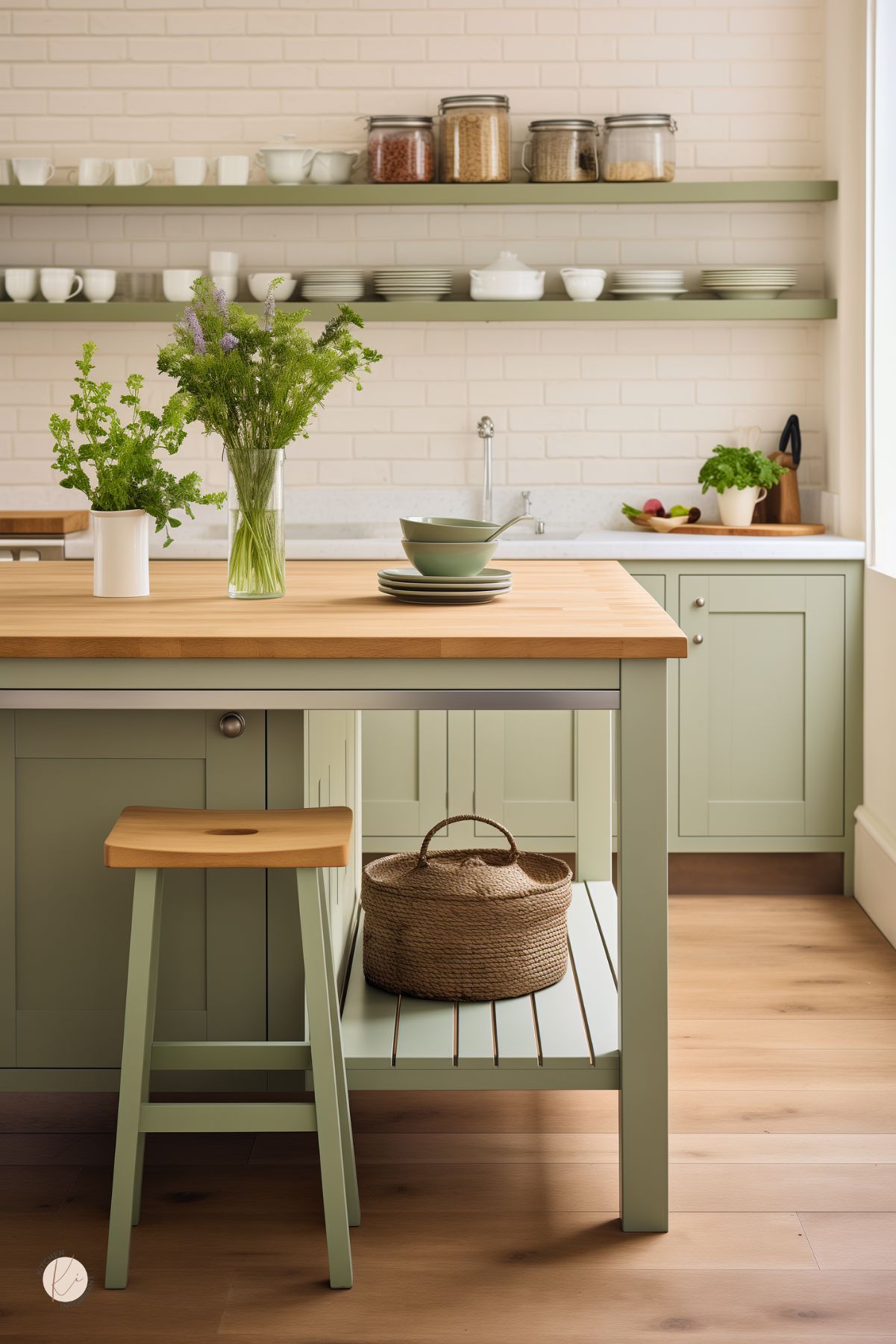
Brick backsplashes are gaining popularity for their unique charm and versatility. They can transform a kitchen’s look and feel, offering various designs to suit different styles. Some trends focus on modern adaptations, while others highlight popular colors and designs that blend seamlessly into open-concept spaces.
Contemporary Twists on Classic Looks
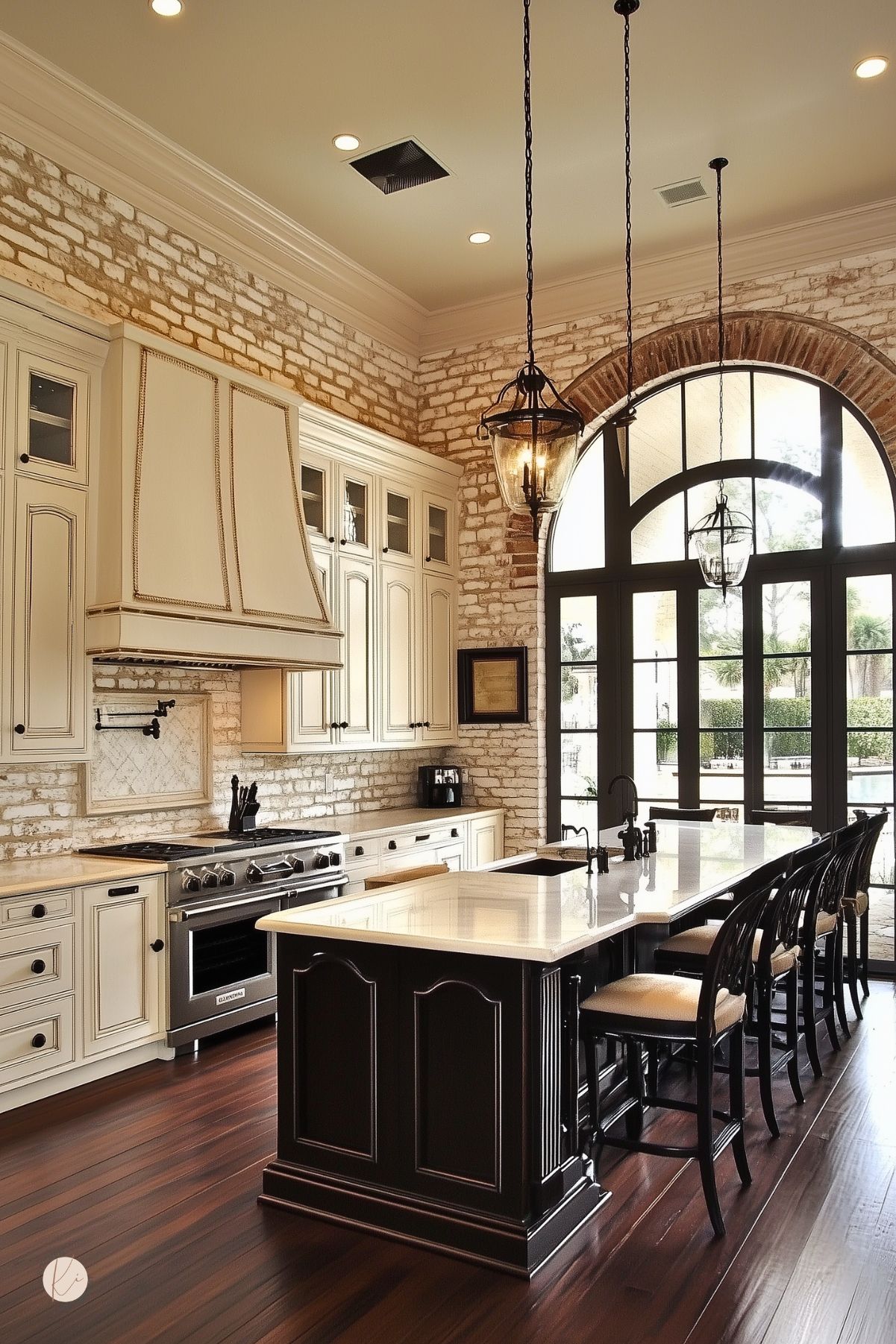
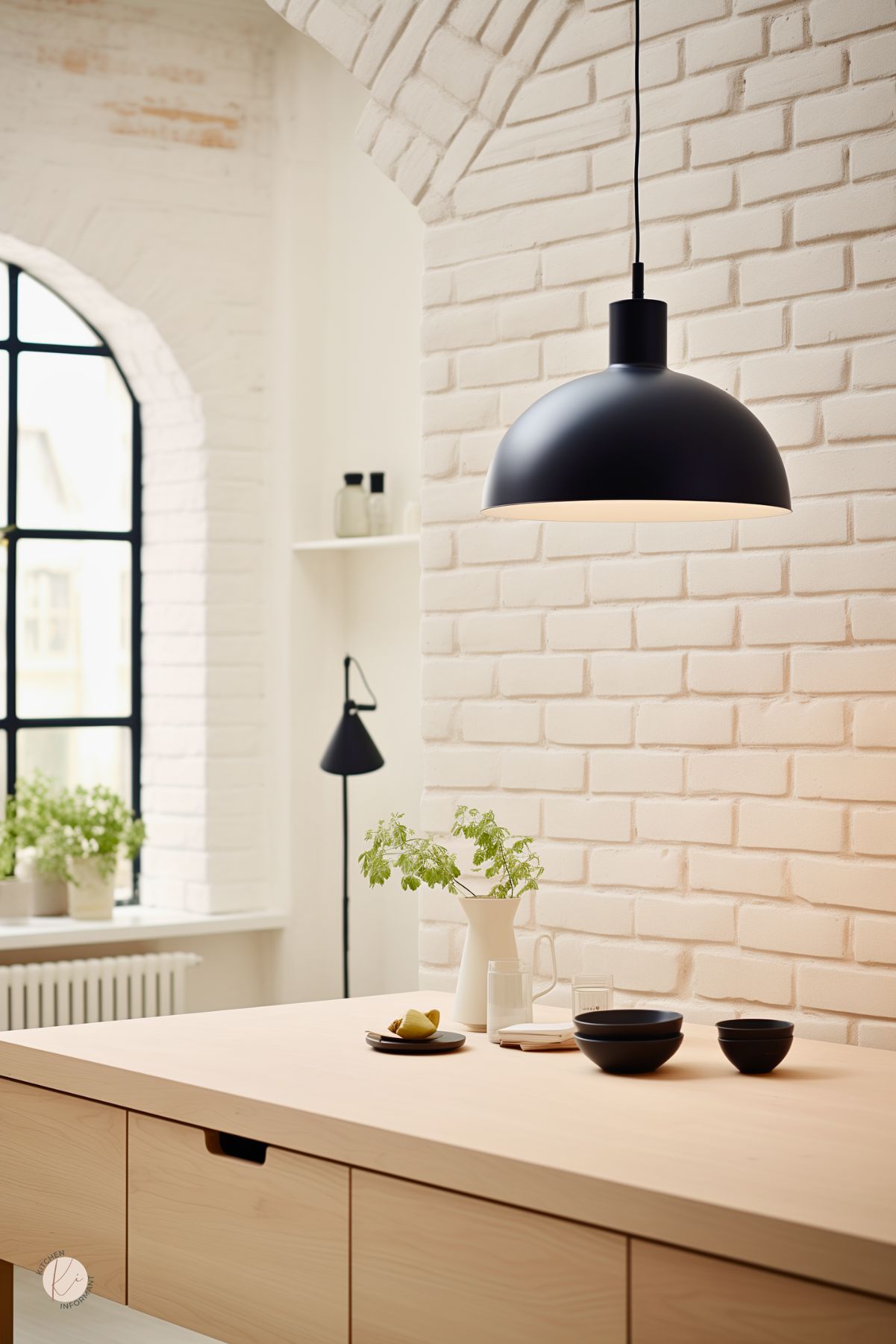
Many homeowners are reimagining traditional brick backsplashes with contemporary designs. For example, using whitewashed or painted bricks can brighten a kitchen while retaining a rustic aesthetic.
Textured finishes are also trending, adding depth and interest. Mixing smooth tiles with uneven brick surfaces creates a dynamic look. This trend allows for the combination of different materials, enhancing the overall visual appeal.
Some may opt for larger brick formats, which offer a more modern vibe compared to smaller traditional bricks. This choice can make the installation process easier and create a clean, sleek appearance.
Popular Color Schemes
Color plays a significant role in brick backsplash trends. Neutral colors like white, beige, and gray are popular for creating a calm and sophisticated environment. Light-colored bricks reflect light well and help make spaces feel larger.
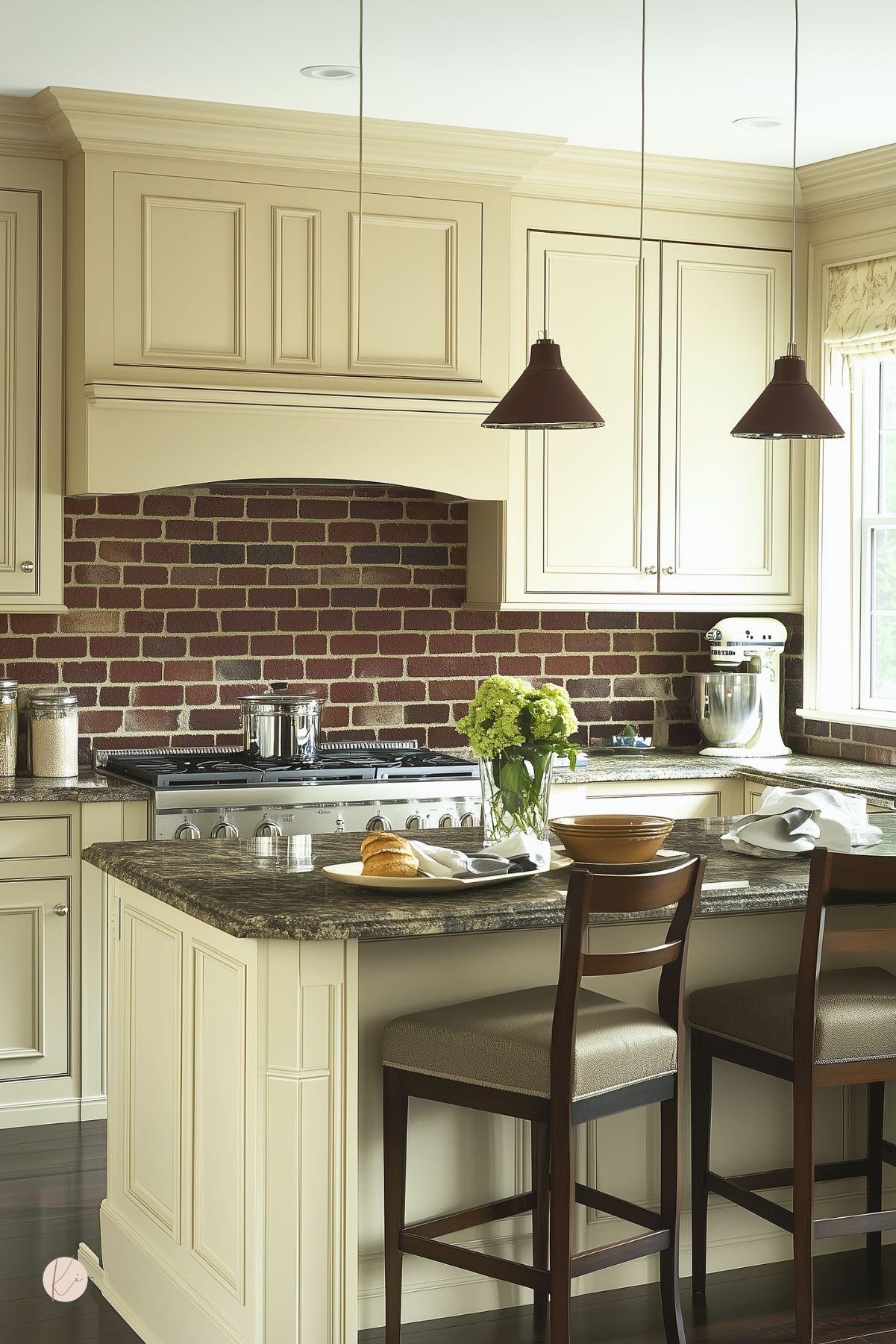
Additionally, darker colors such as deep reds or charcoals provide a bold contrast against lighter cabinets and countertops. These shades can evoke warmth and coziness in the kitchen.
Accent colors are also making waves. Pairing bricks with vibrant hues or a pop of color from decor can create striking visual interest. This mix allows individuals to showcase their personality through their backsplash choices while maintaining a cohesive design.
Showcasing Bricks in Open-Concept Kitchens
Open-concept kitchens benefit immensely from stylish brick backsplashes. They help to define the cooking area while connecting it with adjoining spaces. A well-placed brick backsplash can serve as a focal point, drawing the eye and adding character.
To enhance the look, homeowners often use complementary materials, such as wood or metal, alongside the bricks. This method emphasizes the warmth of the brick while creating a balanced overall design.
In these layouts, the contrast of textures is essential. A rough brick surface alongside sleek countertops adds dimension and keeps the design interesting. This combination allows for a tailored look while ensuring the kitchen is functional and inviting.
You May Also Like: