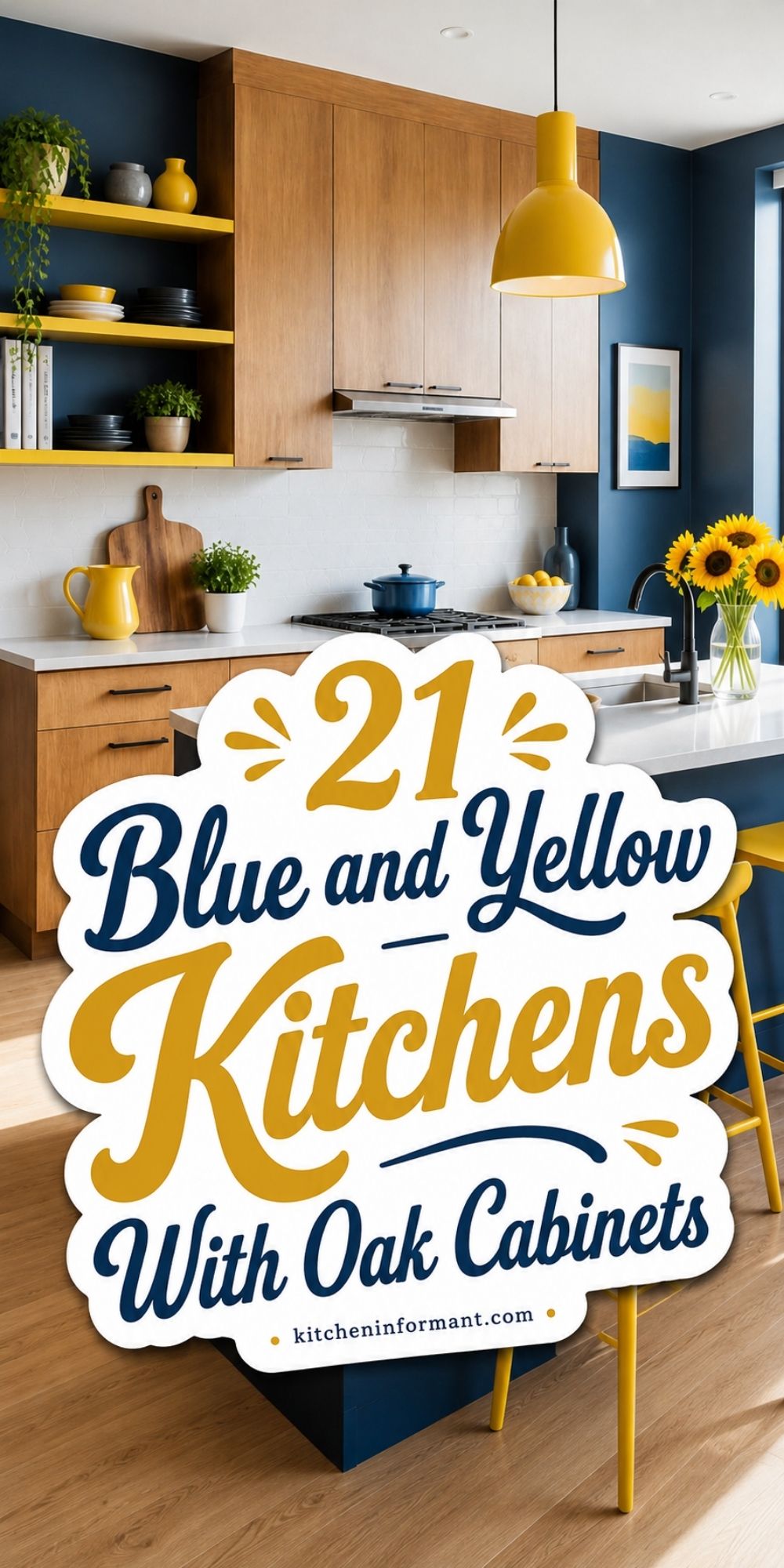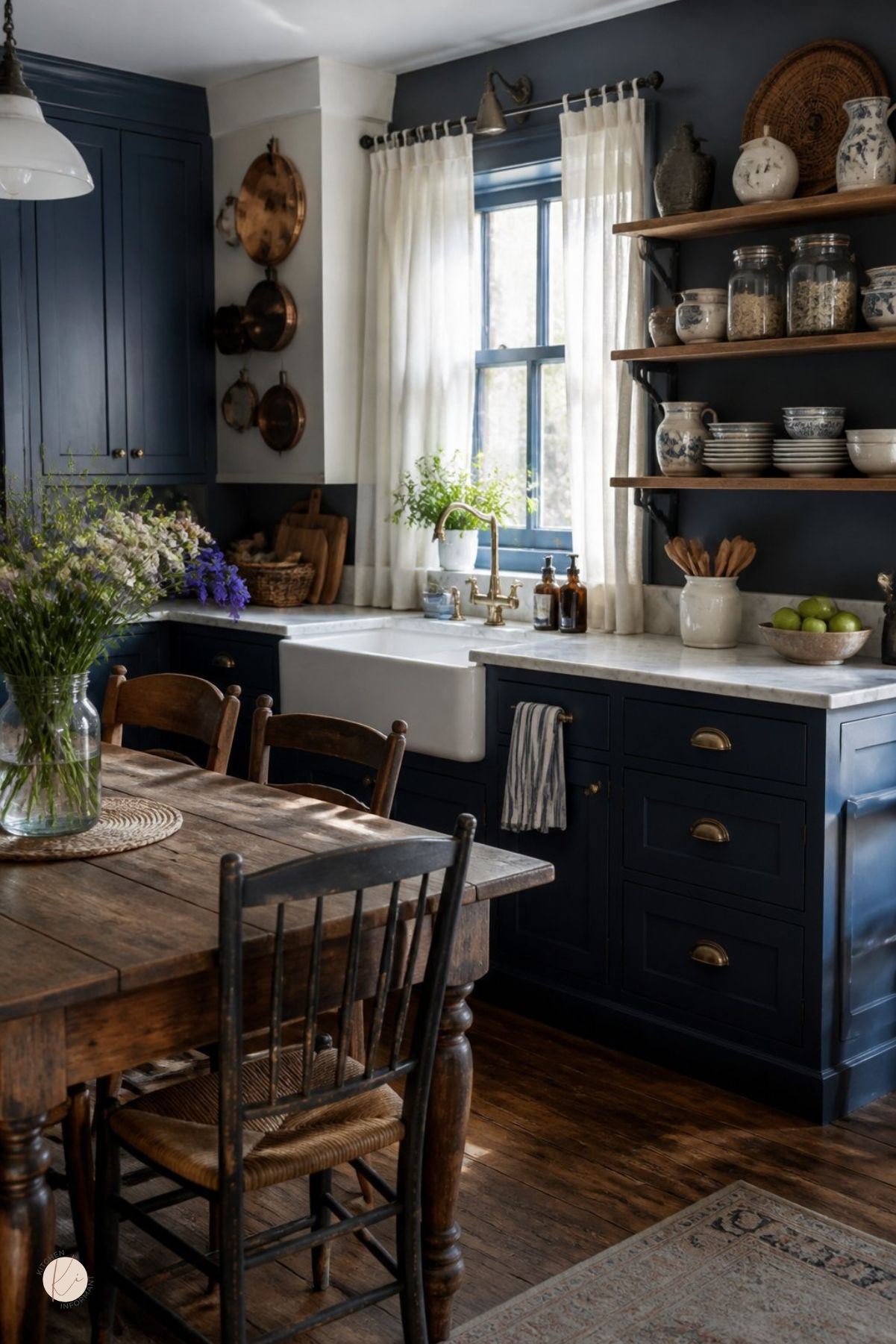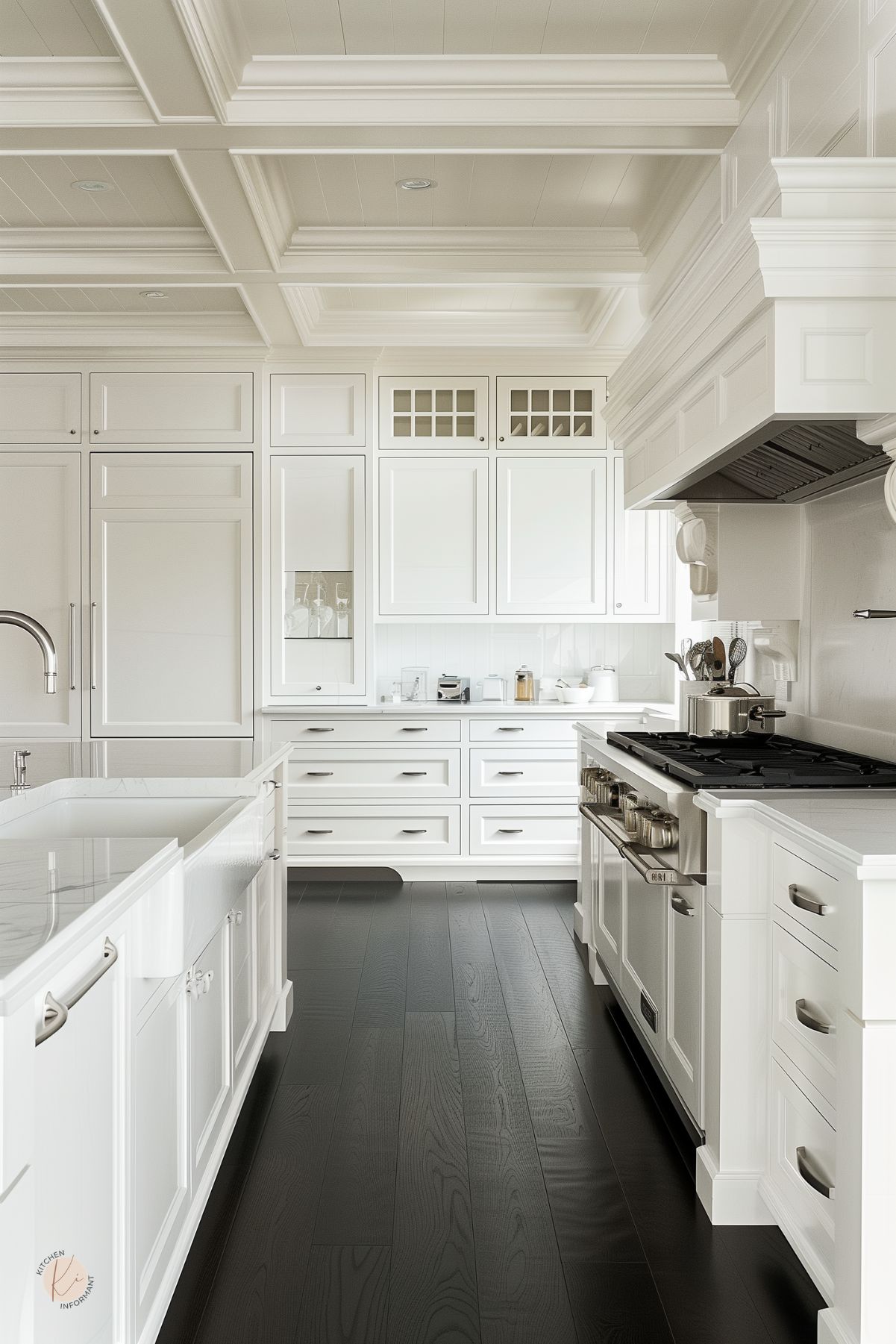
Blue and Yellow Kitchen With Oak Cabinets can work well when the room is planned around the cabinet condition, the light, and the wood’s warm tone.
The pairing can feel cheerful, balanced, or more refined, depending on which color leads and how strong the contrast is.
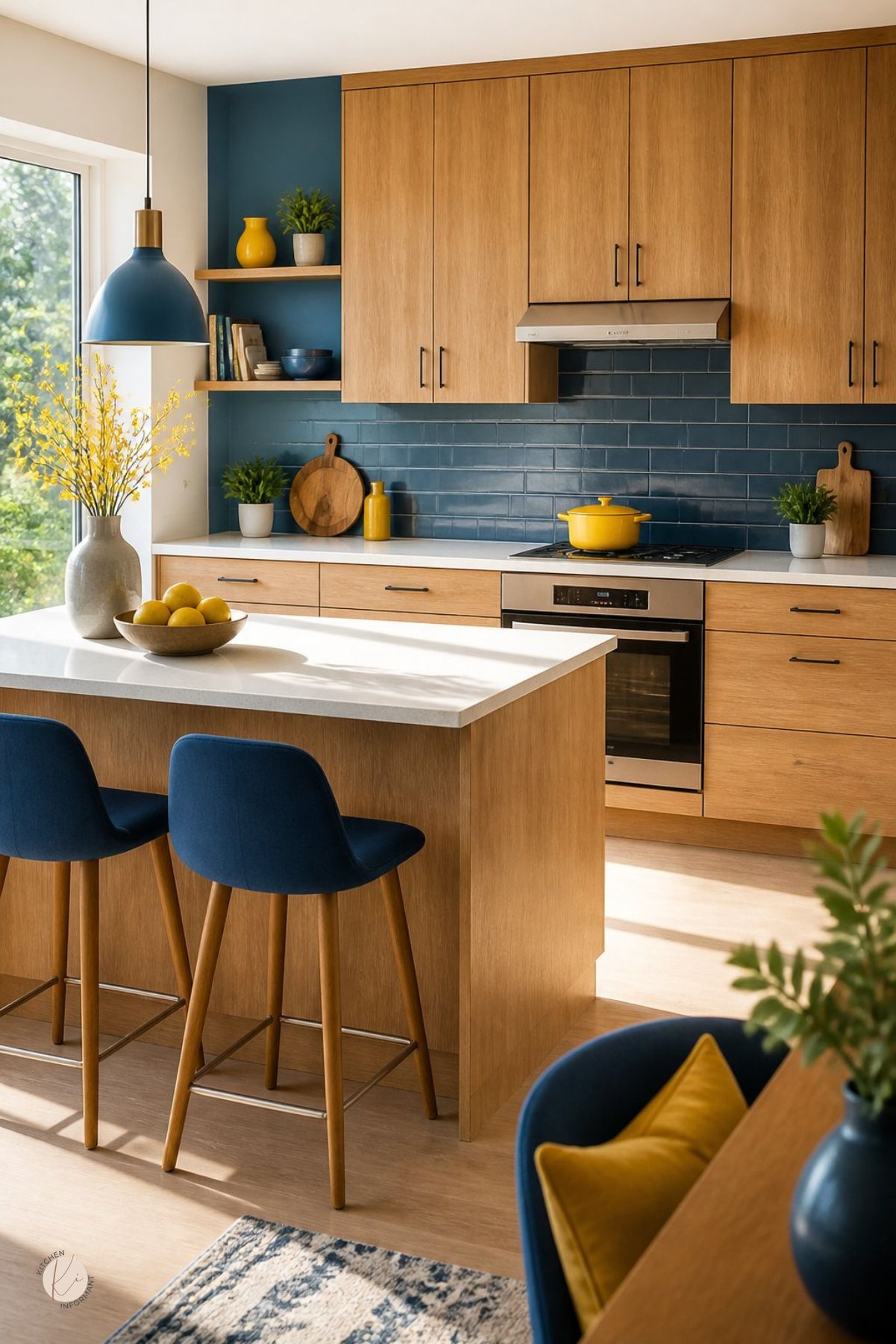
The best results come from treating oak cabinets as part of the design plan, not as a problem to hide.
With the right paint, finishes, and material choices, a blue and yellow kitchen can look intentional even when the original cabinetry stays in place.
The main question is not whether blue and yellow can work with oak.
It is whether the cabinets are sound enough to keep, and whether the room has enough light and visual balance to support the color mix.
Assessing Existing Oak Cabinet Condition
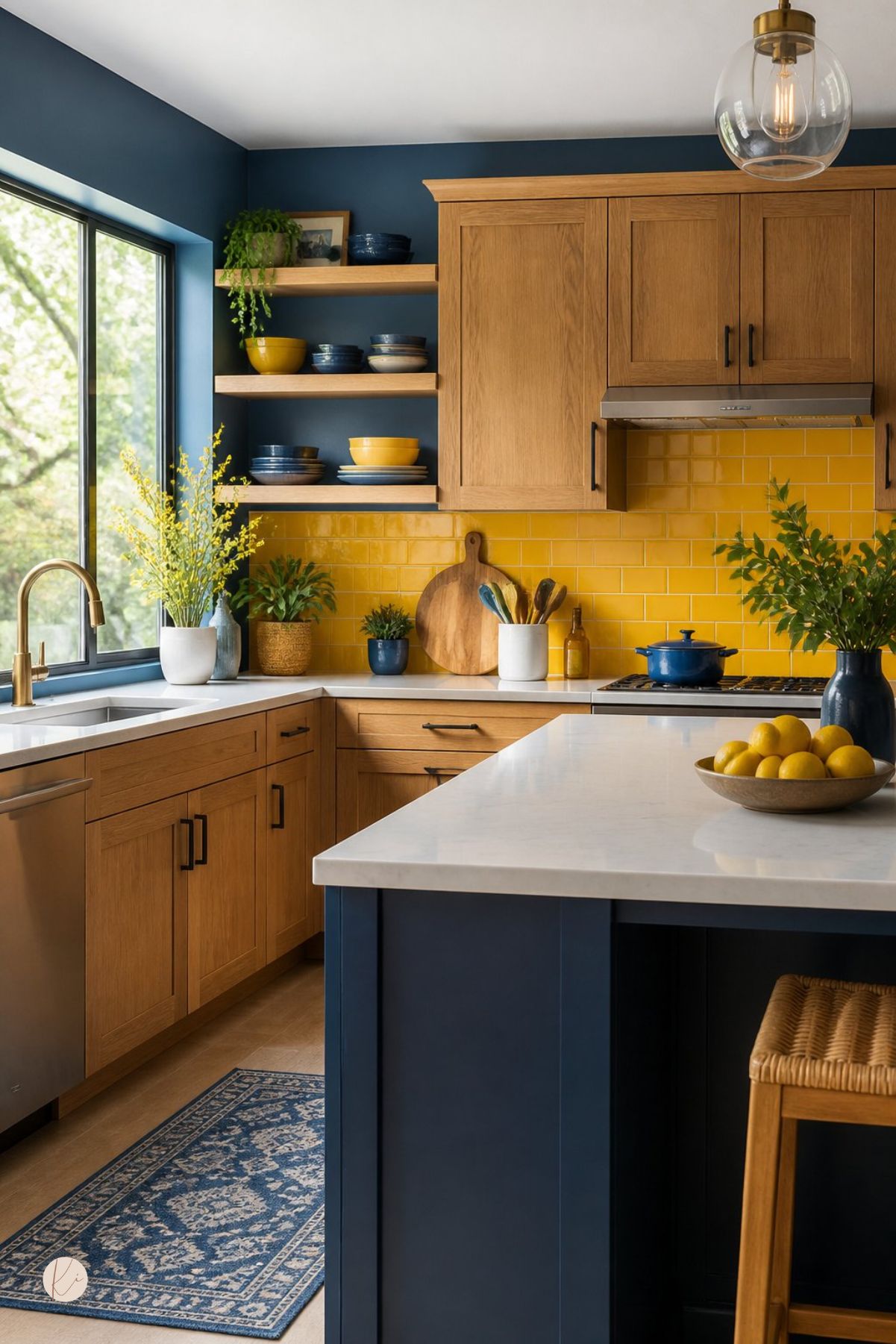
A blue and yellow kitchen works best when the oak cabinets still have good structure.
A strong color plan cannot fix loose frames, warped doors, or worn finishes that have failed at the surface and in the core.
A careful inspection helps separate cosmetic issues from real cabinet problems.
That difference often decides whether the project needs paint and hardware, or a full replacement.
Signs the Boxes and Doors Are Worth Keeping
Solid cabinet boxes, tight joinery, and doors that open smoothly are good signs.
Minor wear, such as faded finish, yellowed varnish, or dated hardware, usually points to a refresh rather than replacement.
The grain pattern also matters.
If the oak is stable and the doors are not split or swollen, the material can still support a modern color scheme.
In many older kitchens, the wood is stronger than the style around it.
When Surface Updates Will Not Be Enough
Deep water damage, sagging shelves, peeling veneer, or cabinet boxes that no longer sit square are serious issues.
Paint can cover color problems, yet it cannot repair structural failure.
Heavy odor, mold, or repeated door alignment problems also point to bigger concerns.
If the cabinet base is failing, color changes alone will not make the room feel finished or safe.
How Light Changes Color Performance
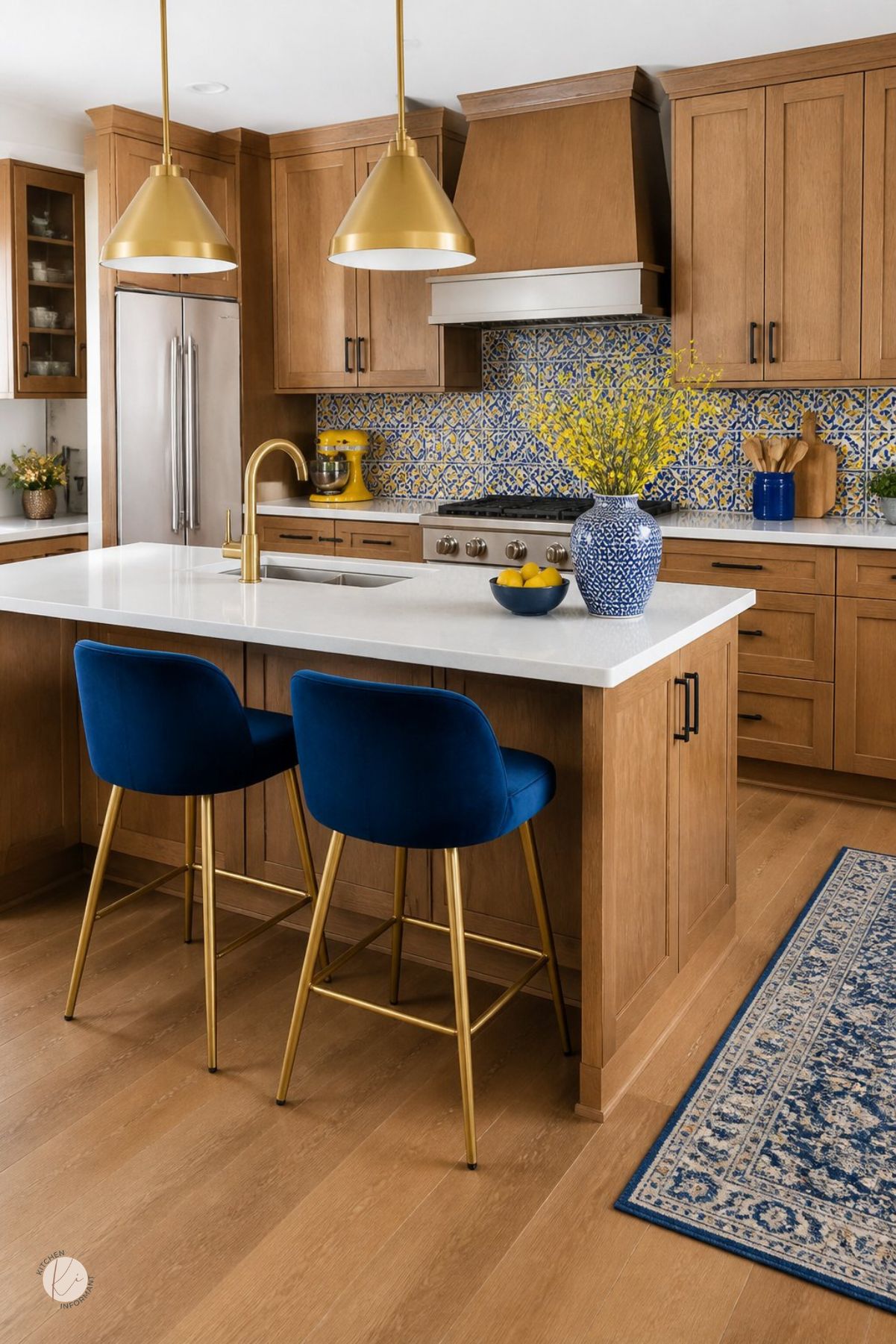
Blue and yellow shift a lot under different light.
Oak does the same, since its warm undertones can look richer in one room and more orange in another.
Testing color in the actual kitchen matters more than choosing a color from a screen.
The same paint can look calm, sharp, dull, or bright depending on daylight and bulb type.
North- Versus South-Facing Rooms
North-facing kitchens often receive cooler, softer light.
In those rooms, blue may read deeper and yellow may feel muted, which can help a busy palette feel more controlled.
South-facing kitchens usually get warmer, stronger sun.
That extra warmth can make oak look more golden and can push yellow toward a stronger, brighter look.
Blue may need to be a little deeper or grayer to keep balance.
Natural Light, Shade, and Artificial Bulbs
Natural light changes through the day, so samples should be checked in morning, midday, and evening.
Shade from trees, porches, or nearby buildings can also change how the cabinet finish reads.
Artificial bulbs matter too.
Warm bulbs bring out oak’s gold tones, while cooler bulbs can make blue feel cleaner and yellow feel crisper.
A kitchen usually looks best with a consistent bulb temperature across the room.
Choosing the Right Blue and Yellow Balance
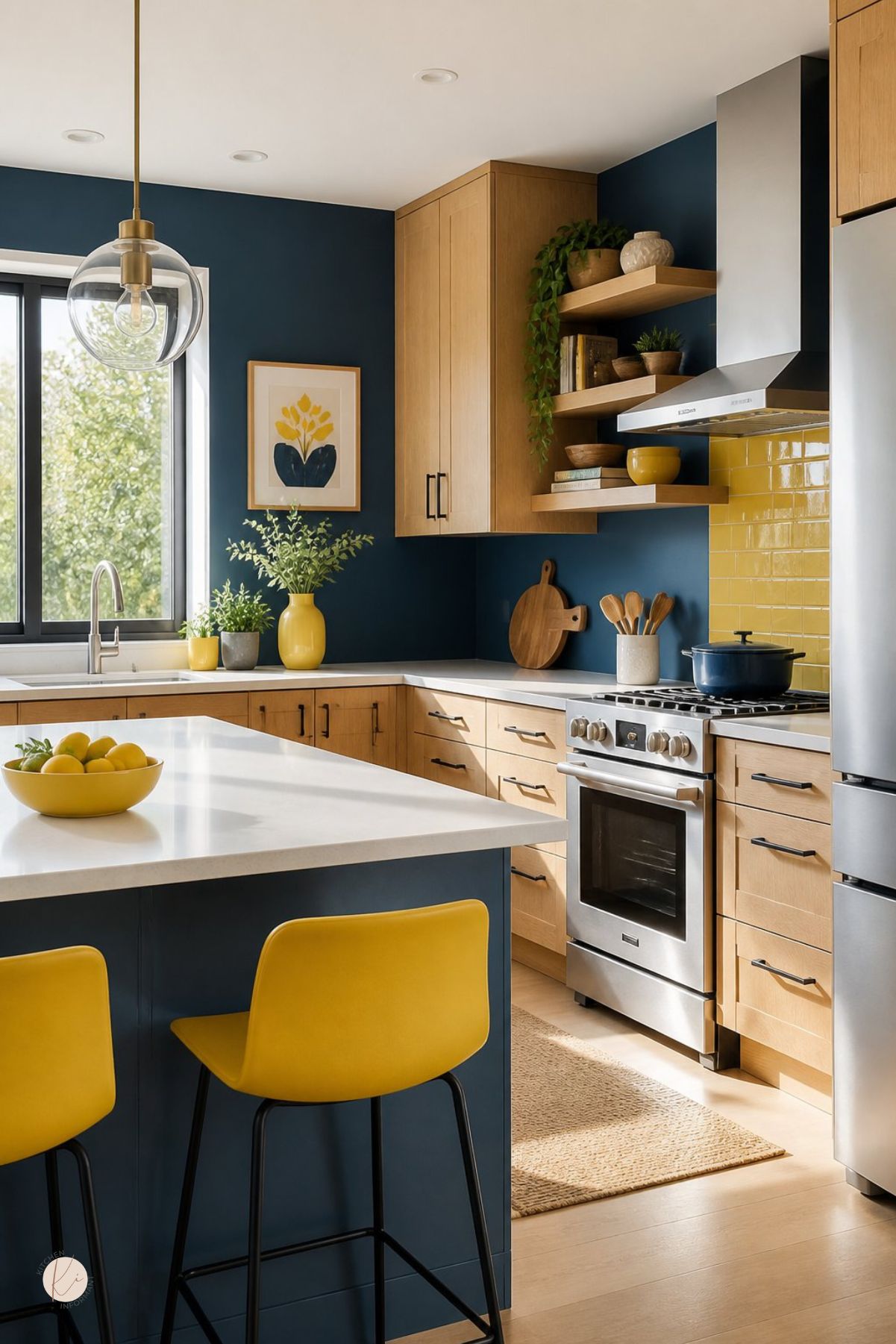
A balanced blue and yellow kitchen does not need both colors at the same strength.
One color should lead, and the other should support it through paint, decor, tile, or textiles.
The right ratio depends on room size, cabinet style, and how much of the oak stays visible.
A smaller kitchen usually benefits from a simpler mix than a large open layout.
Dominant Hue Versus Accent Hue
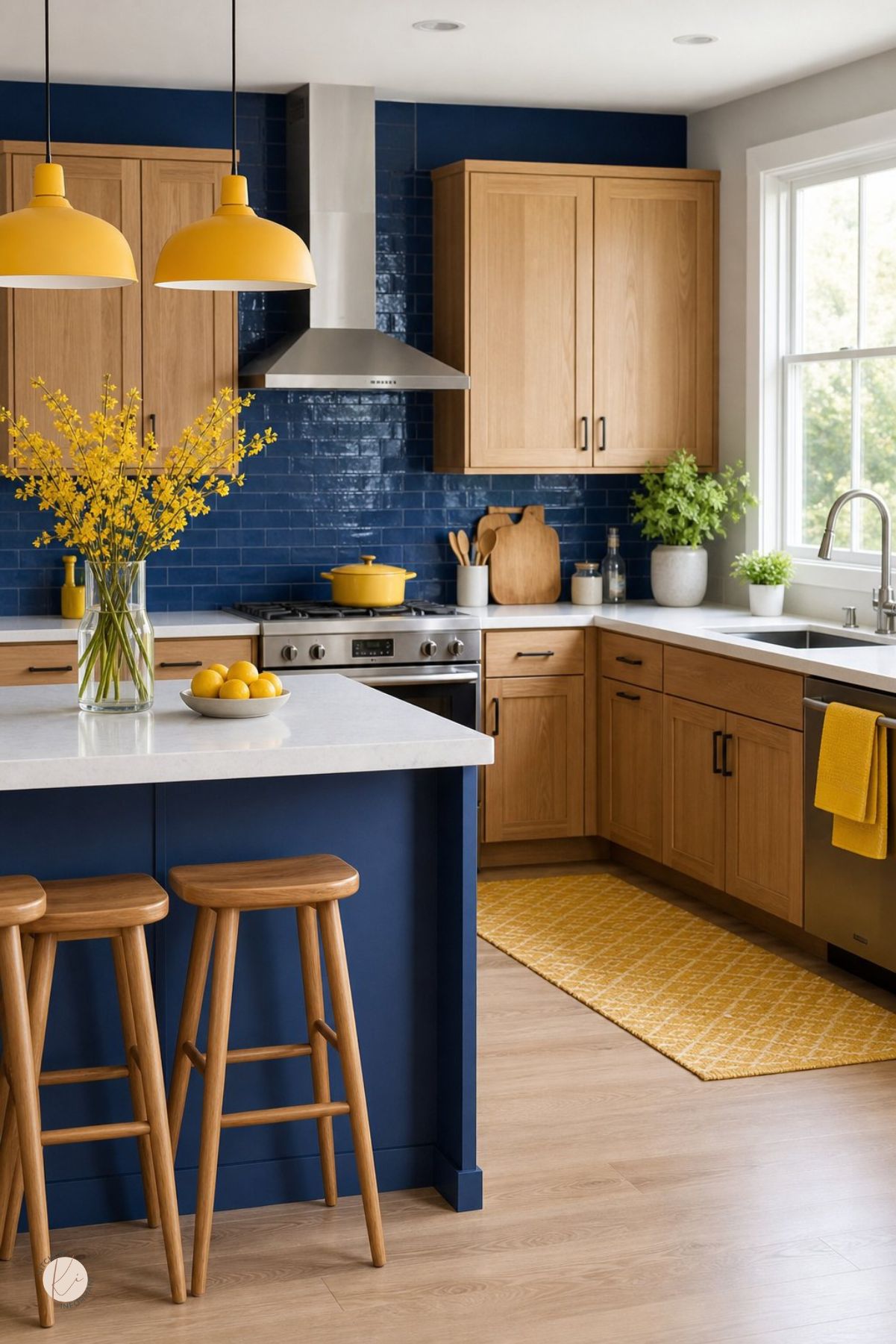
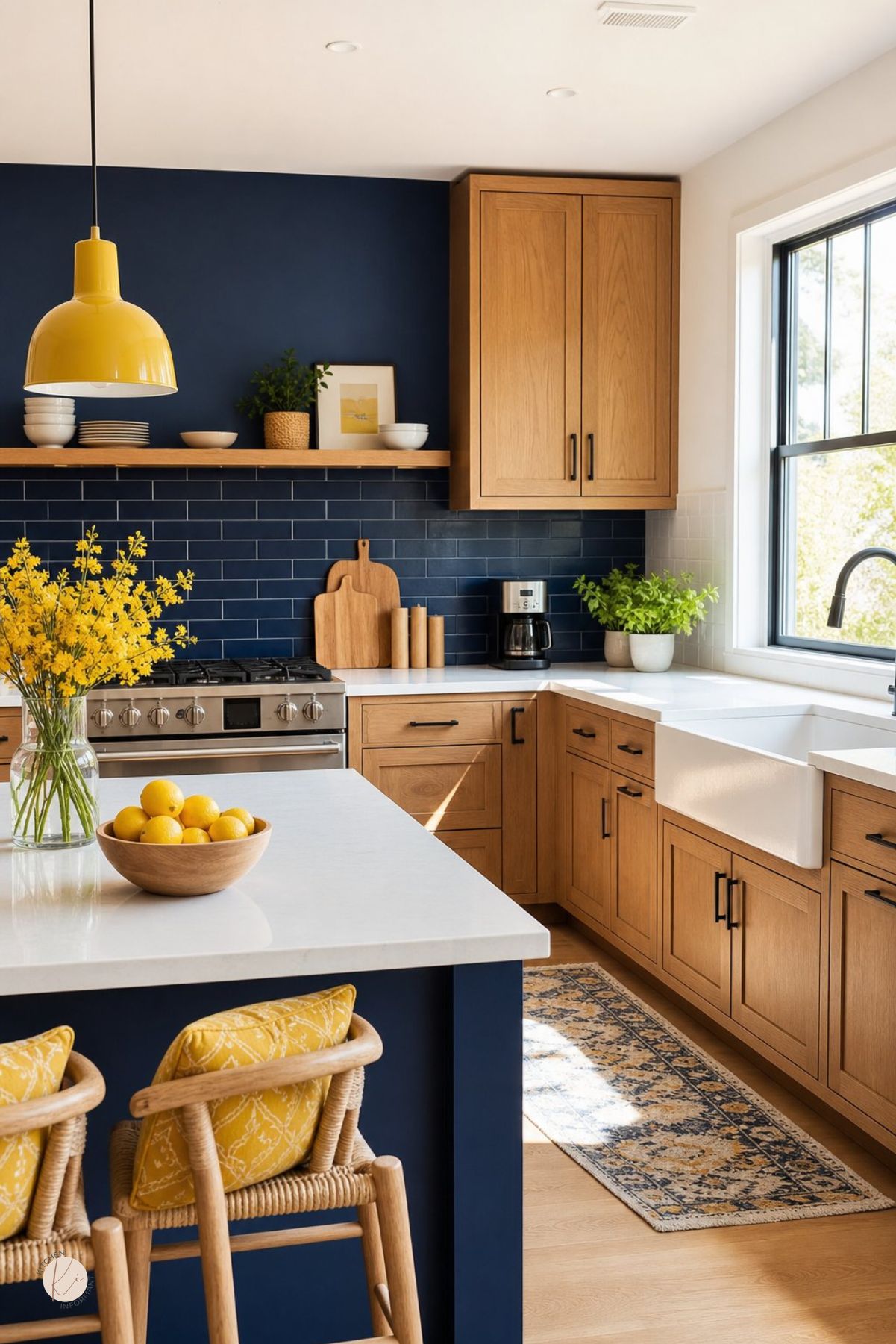
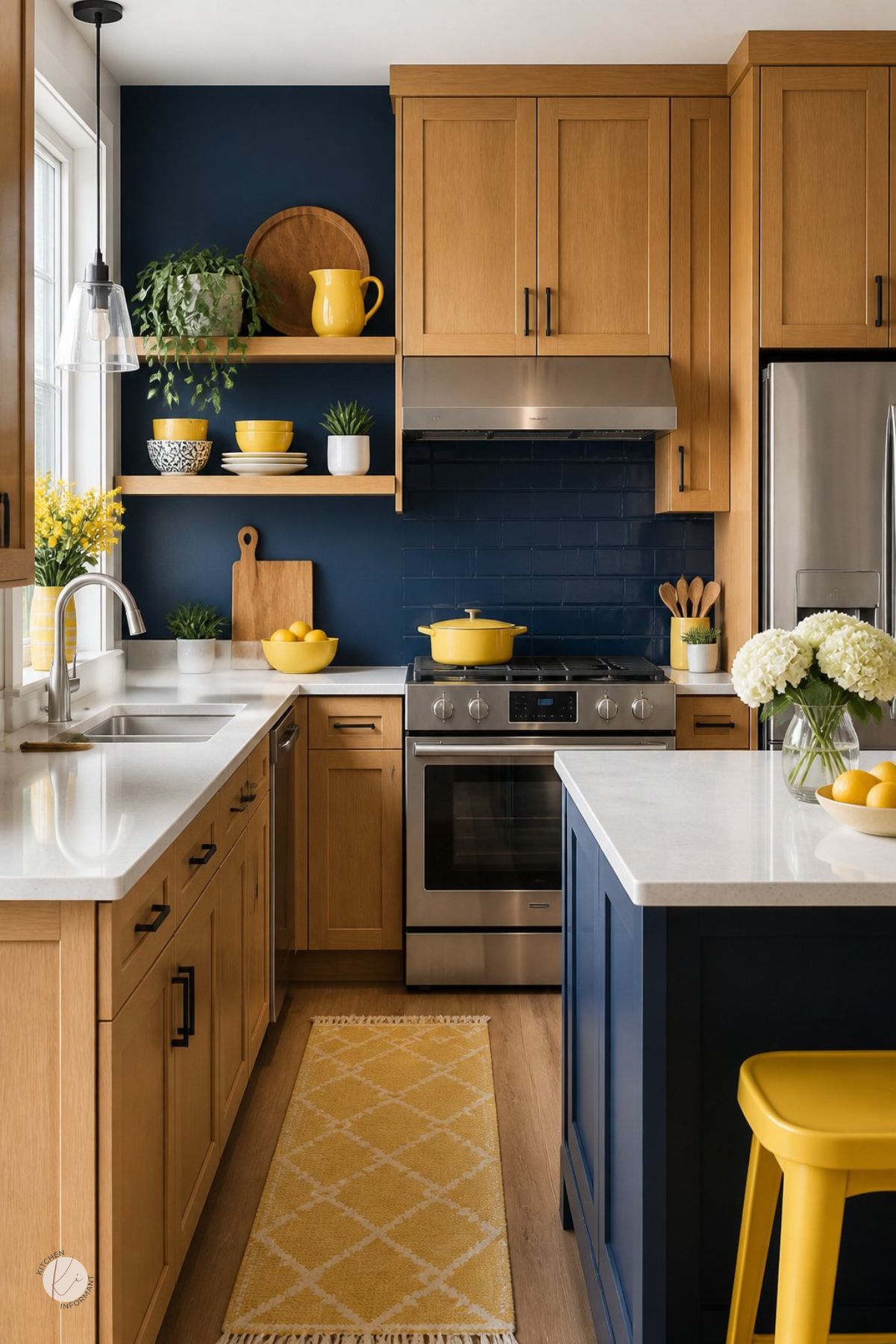
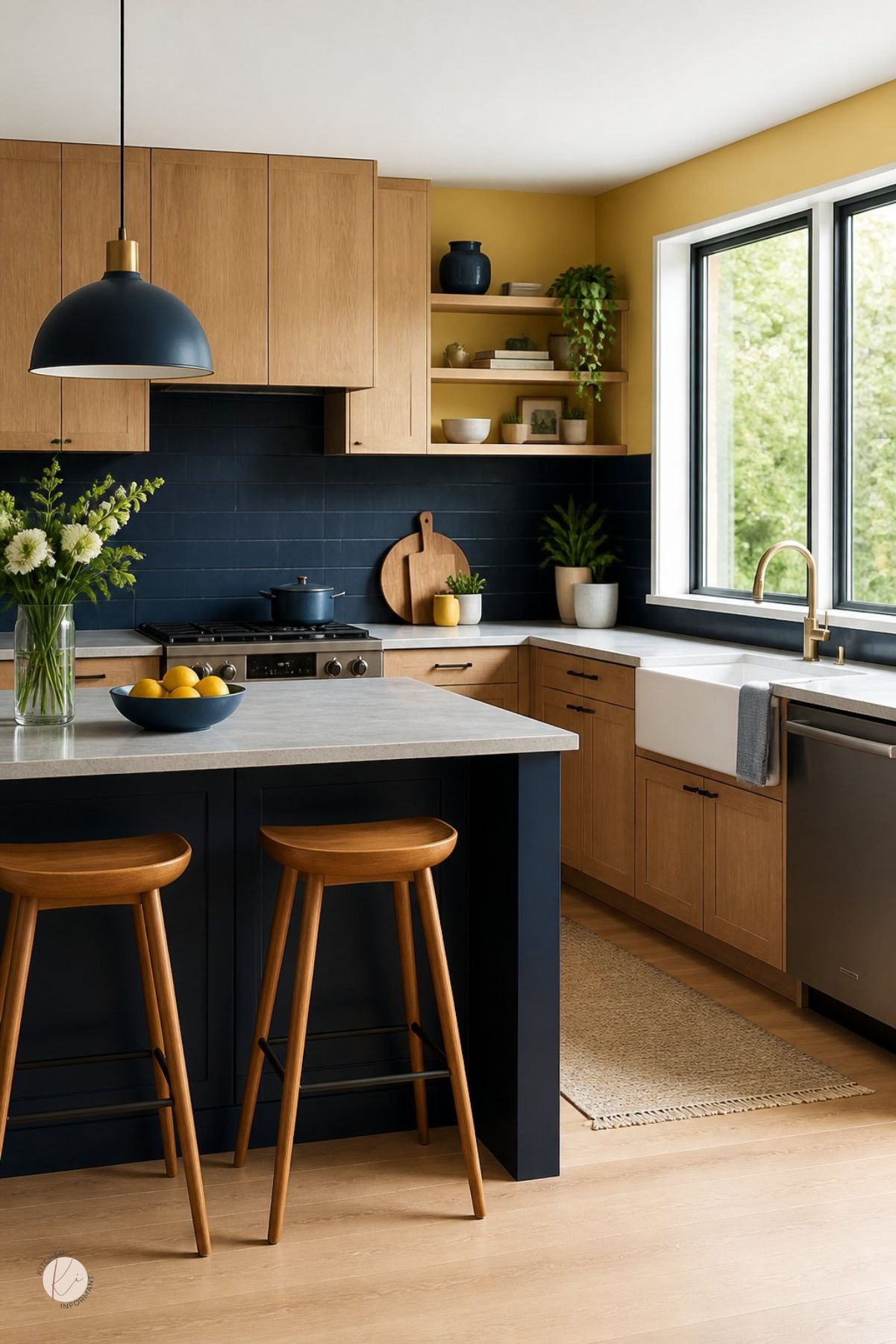
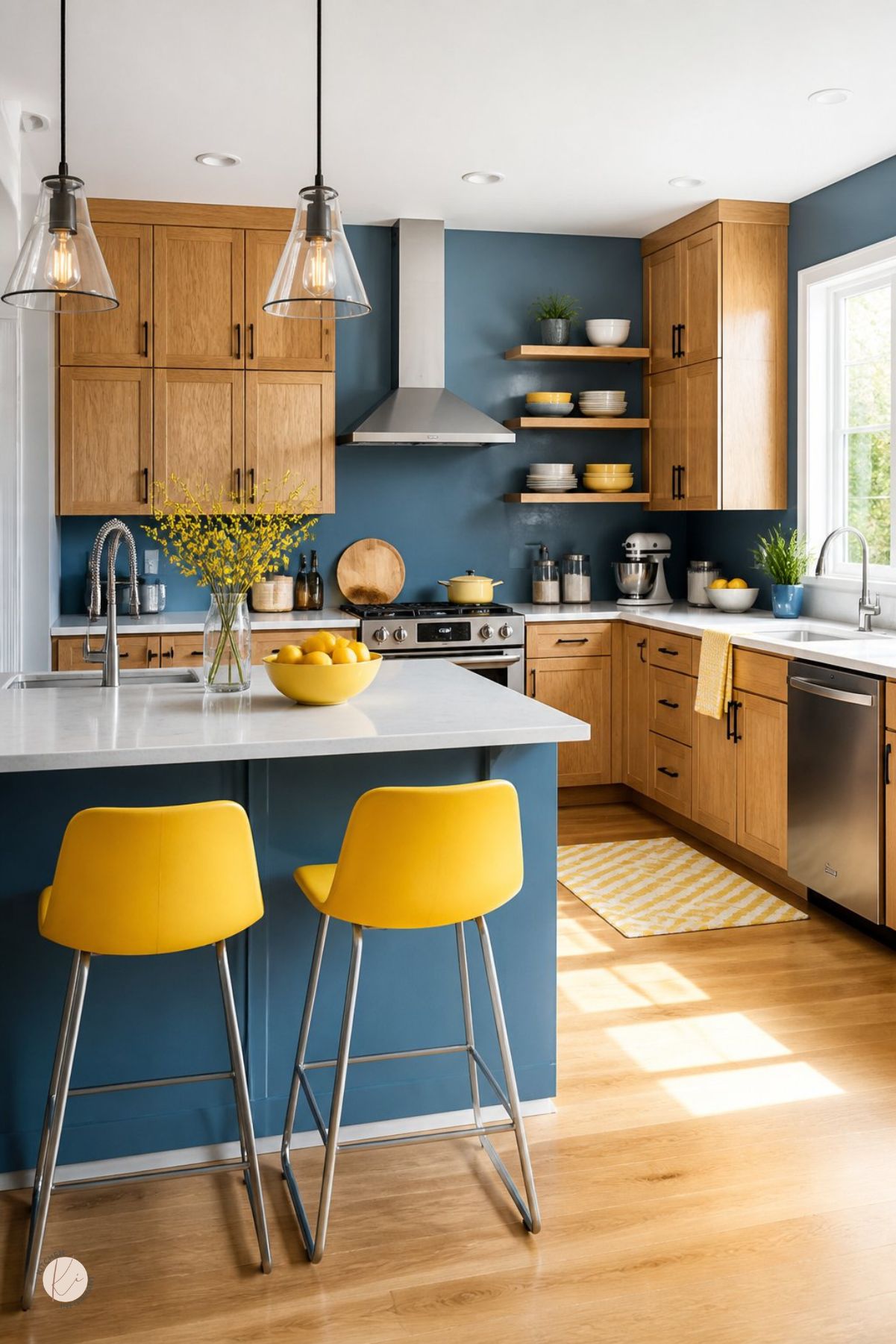
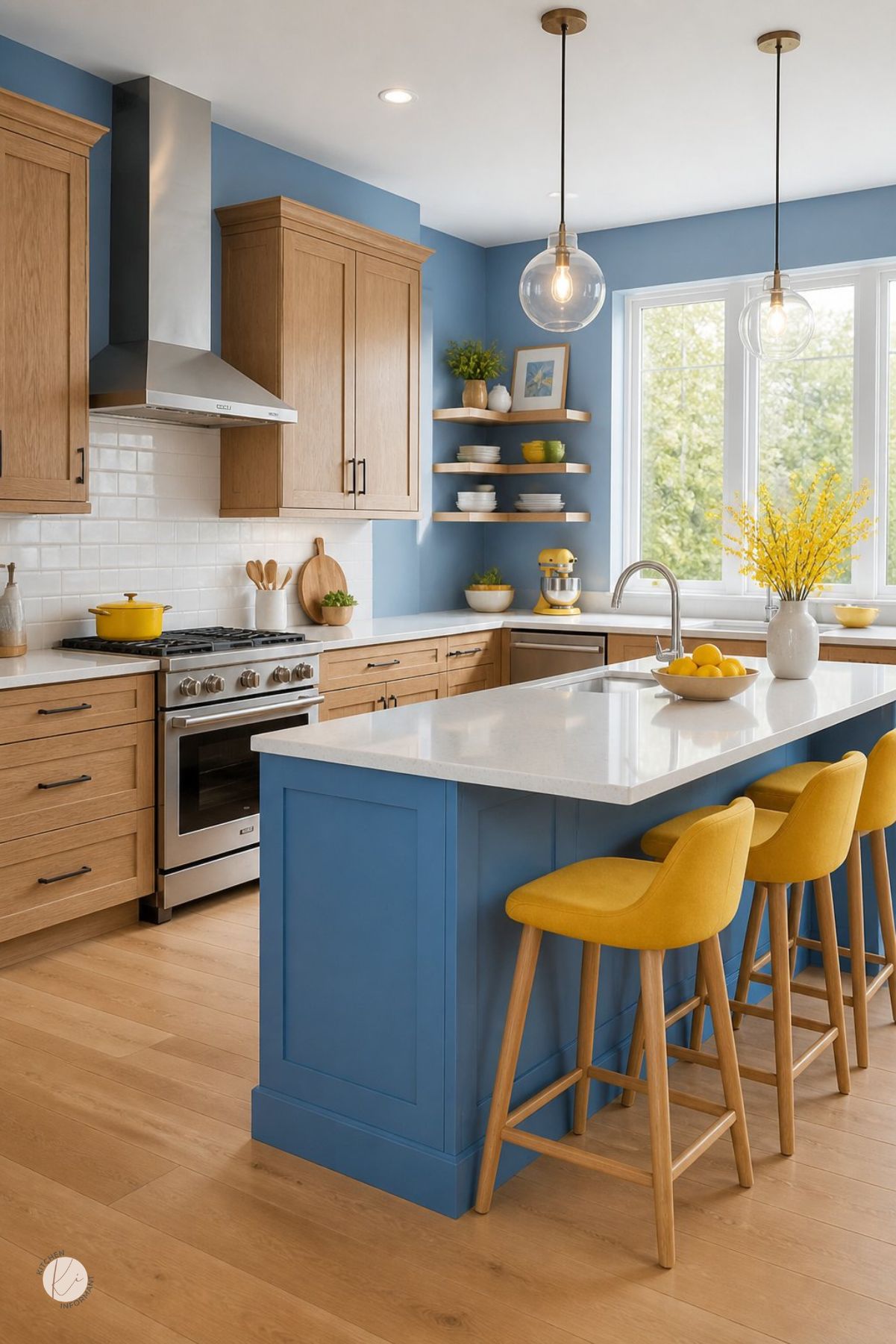
If blue is the main color, yellow often works best in smaller doses through stools, art, dishware, or a runner.
This approach keeps oak from competing with two bright colors at once.
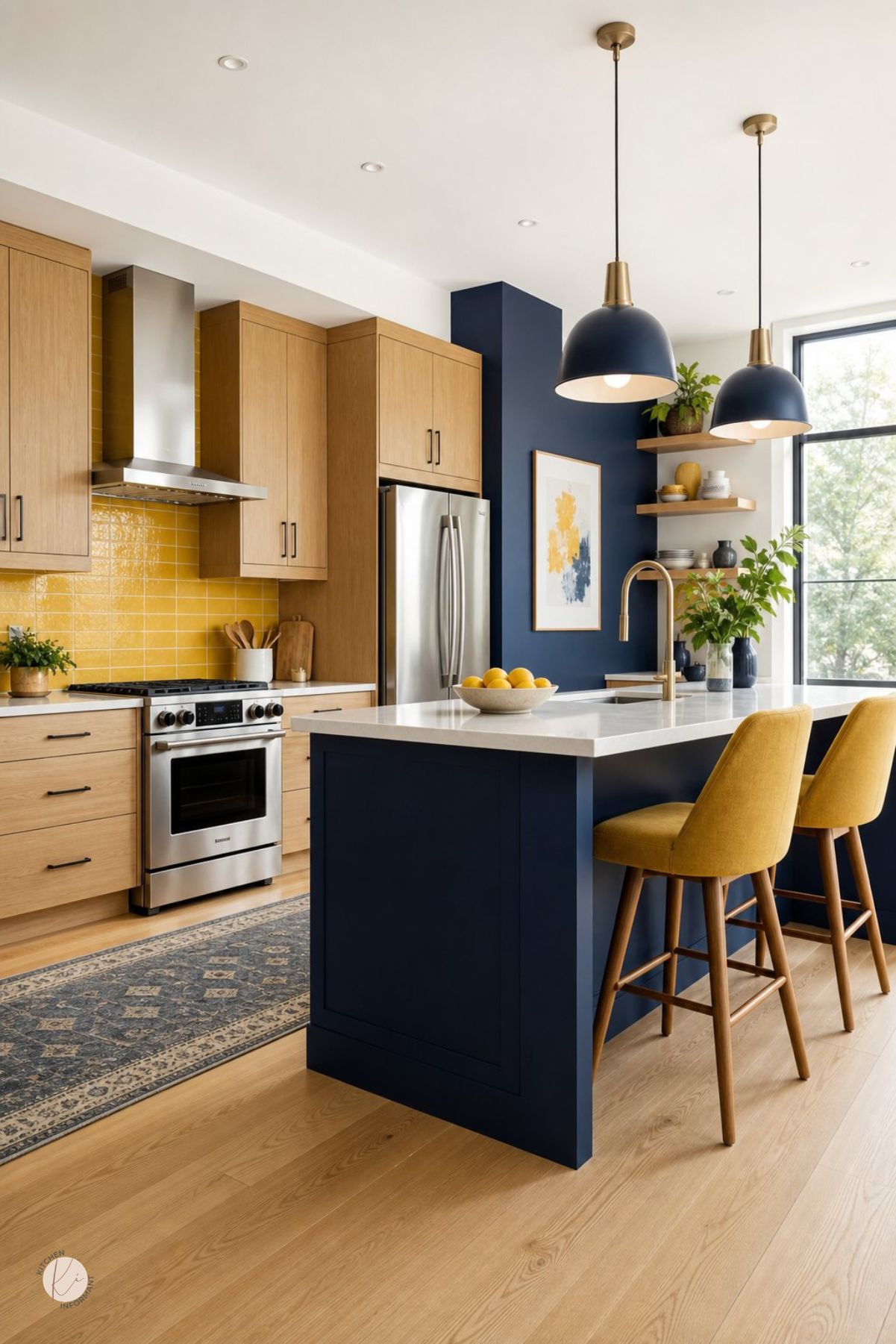
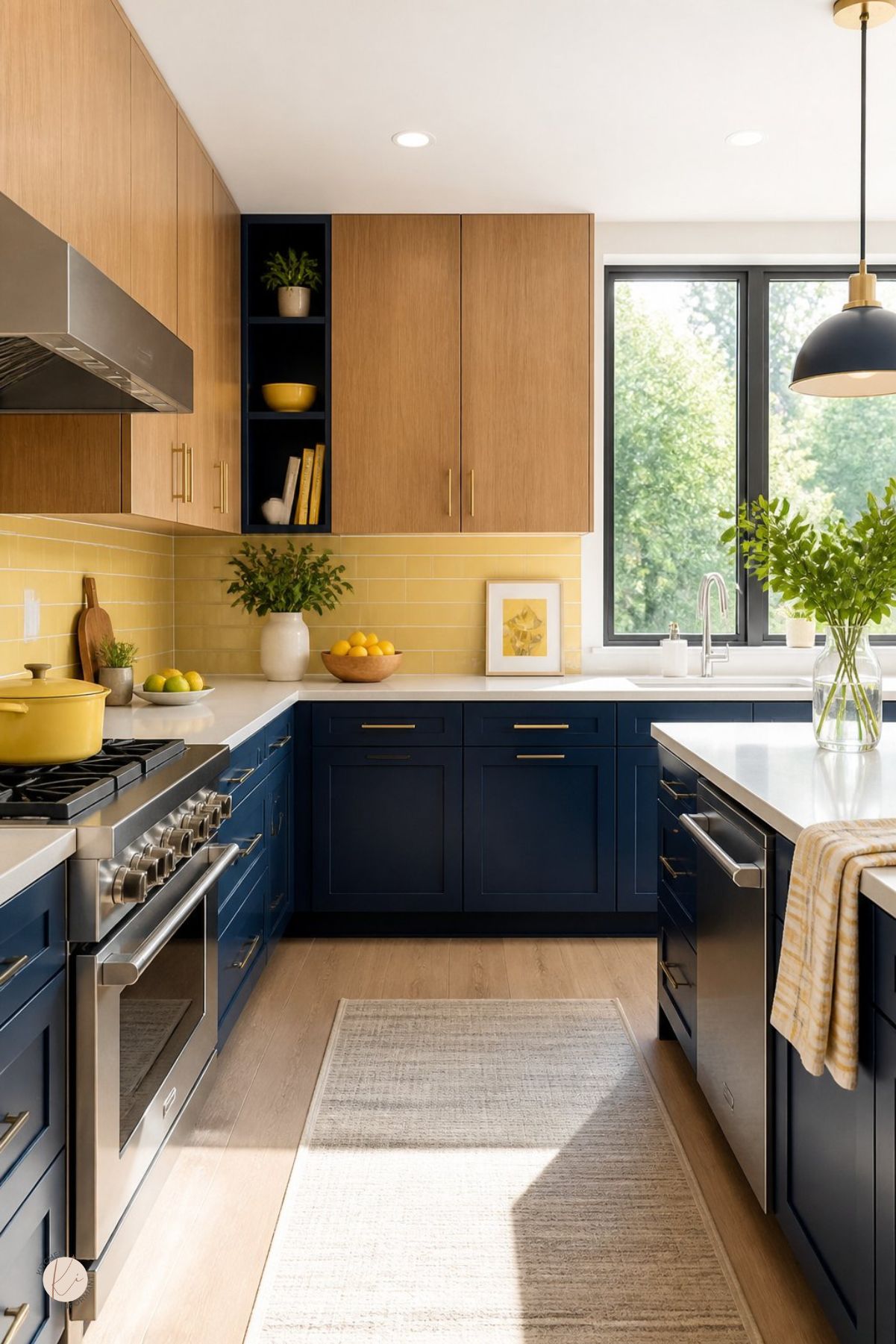
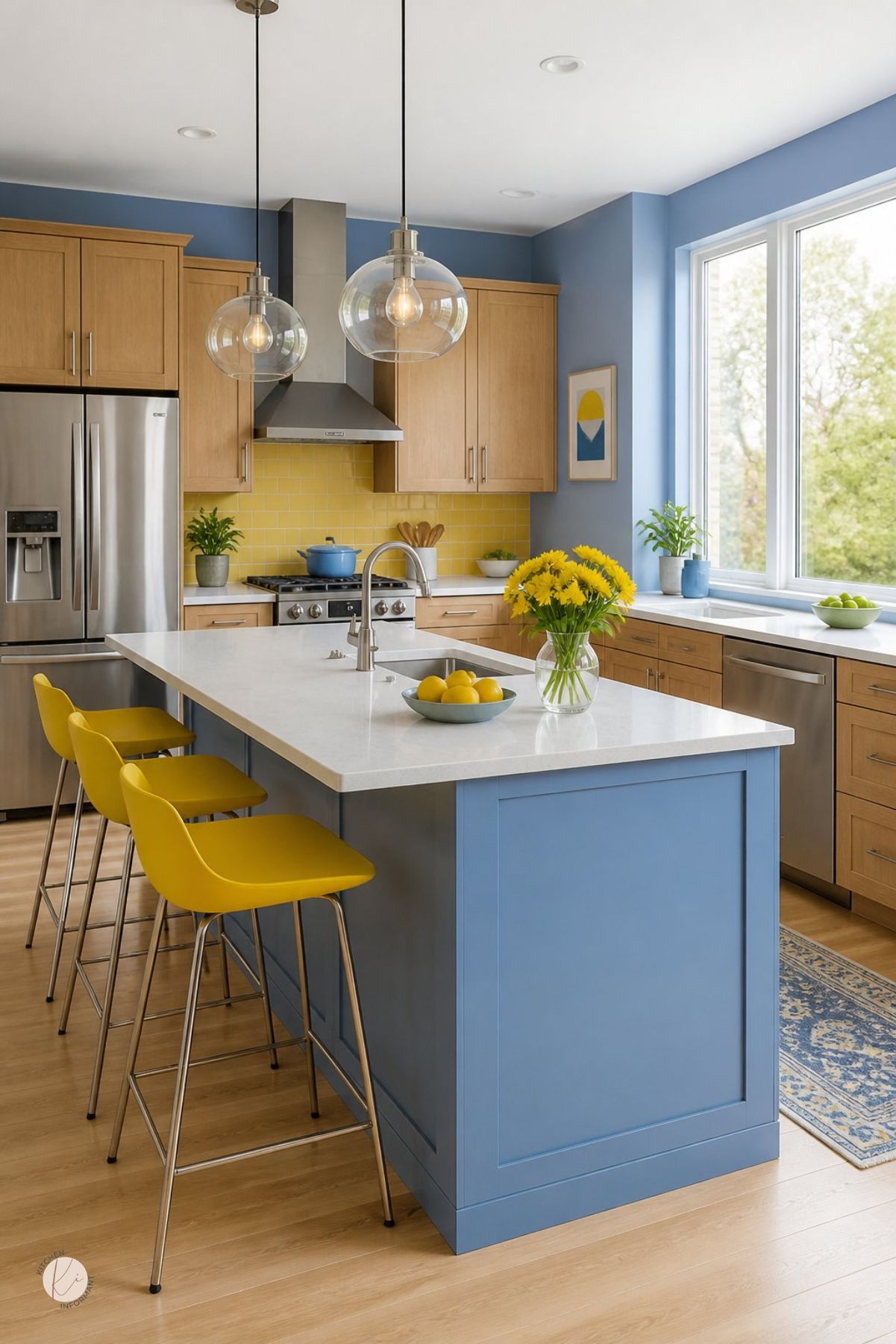
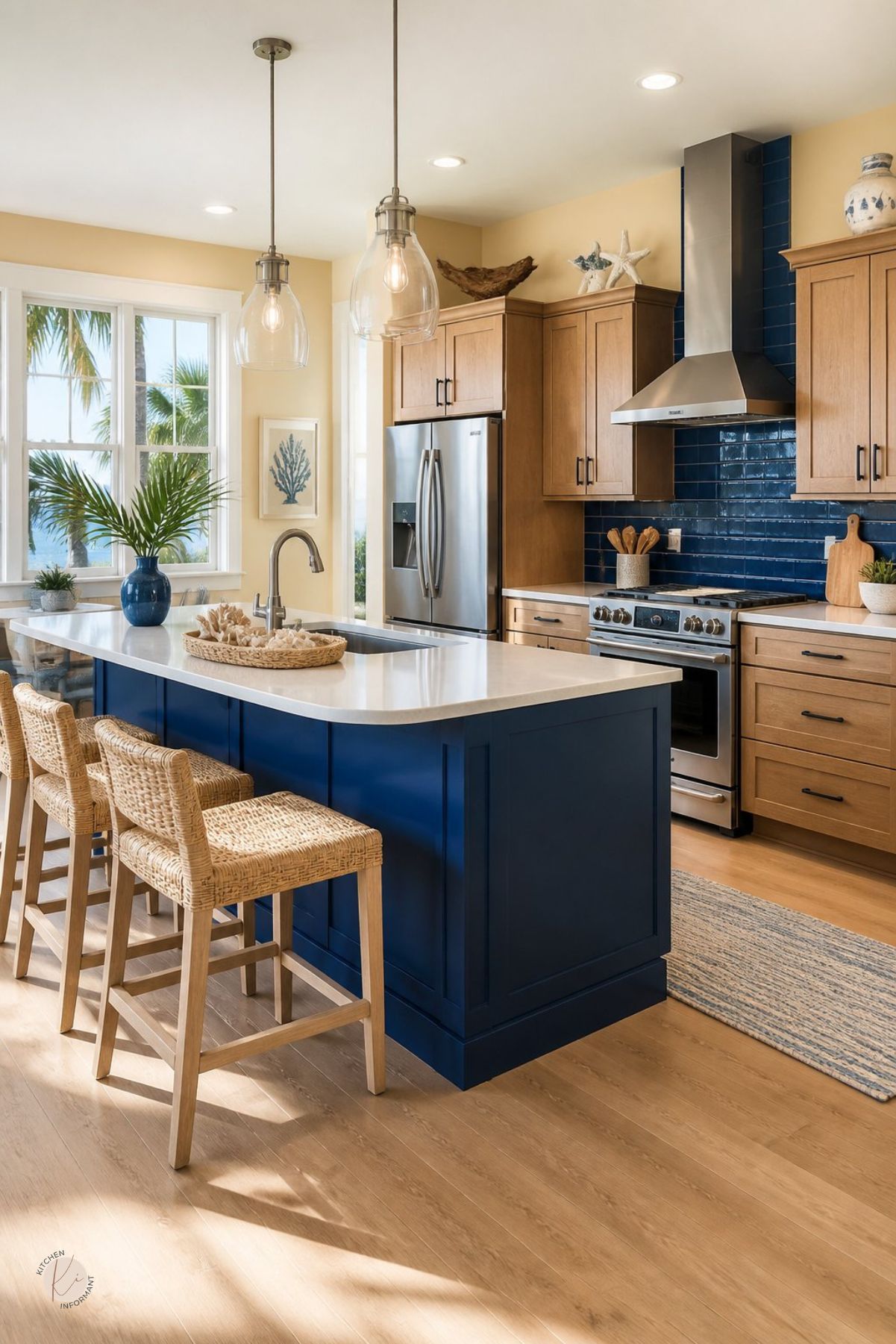
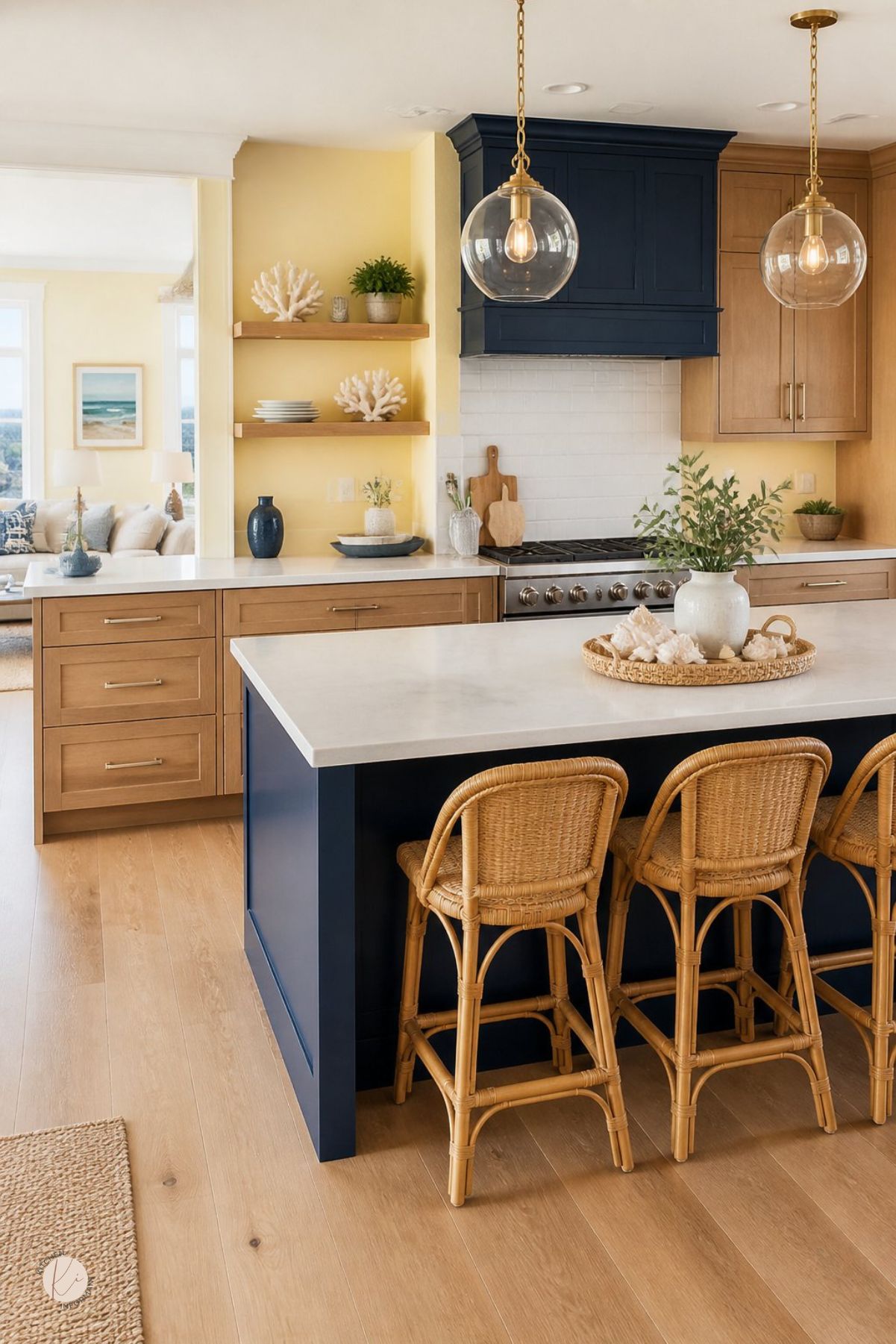
If yellow leads, blue can act as a grounding shade on walls, islands, or backsplash tile.
A stronger leader color gives the room structure and keeps the palette from looking scattered.
Muted Palettes for Traditional Spaces
Traditional kitchens with oak cabinets often look better with softened versions of both colors.
Dusty blue, slate blue, butter yellow, and cream keep the room steady and help the wood feel deliberate.
These tones work well when the cabinets have visible grain and a warm finish.
The result is usually quieter, which suits homes that already have classic trim, older flooring, or raised-panel doors.
Cleaner Contrasts for Brighter Rooms
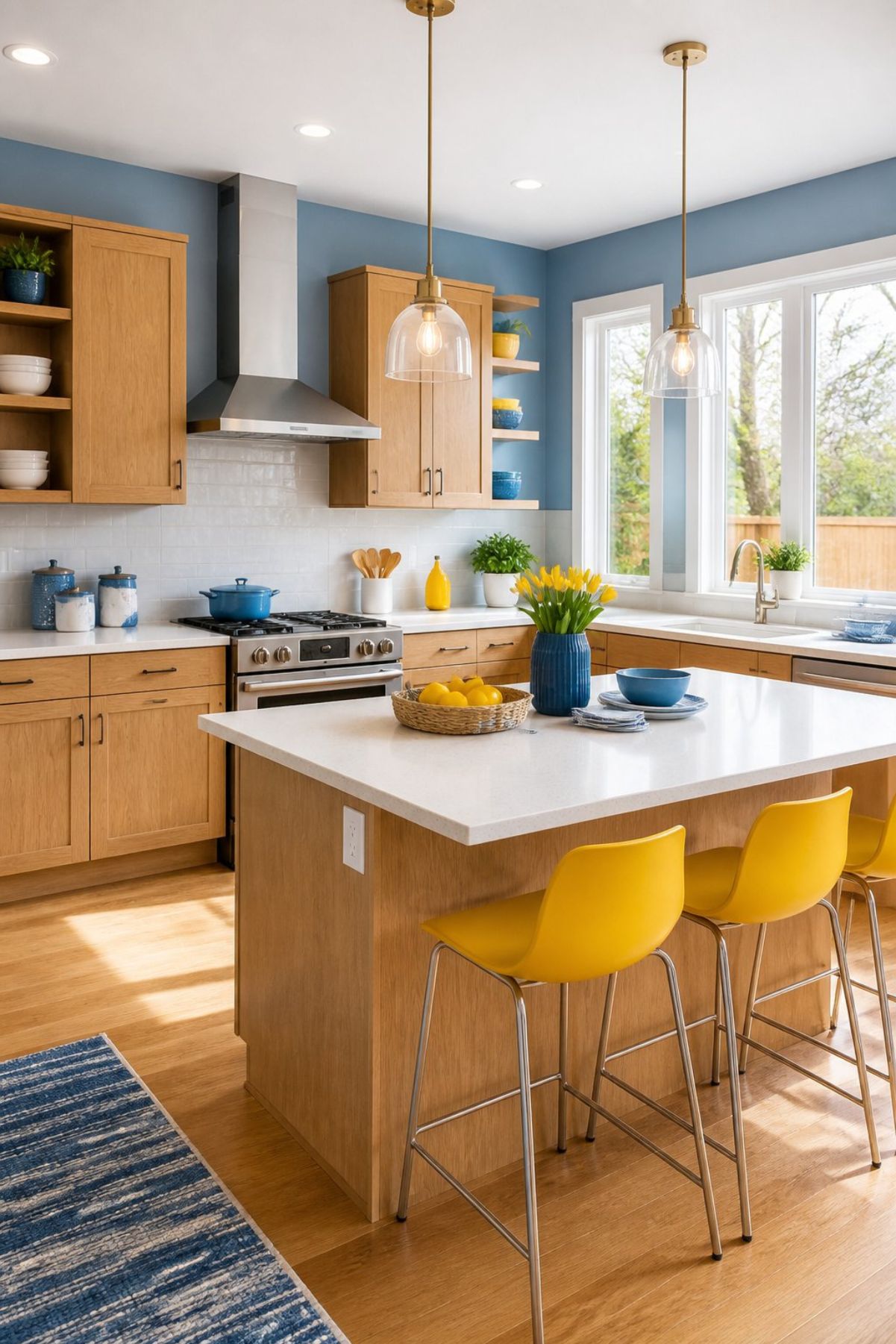
Rooms with open plans and strong daylight can support clearer contrast.
Navy with clear yellow, or medium blue with bright but controlled yellow, creates a fresher look.
This stronger pairing works best when other surfaces stay simple.
White counters, plain backsplashes, and limited accessories help the colors stay readable instead of crowded.
Working With Oak Undertones and Grain
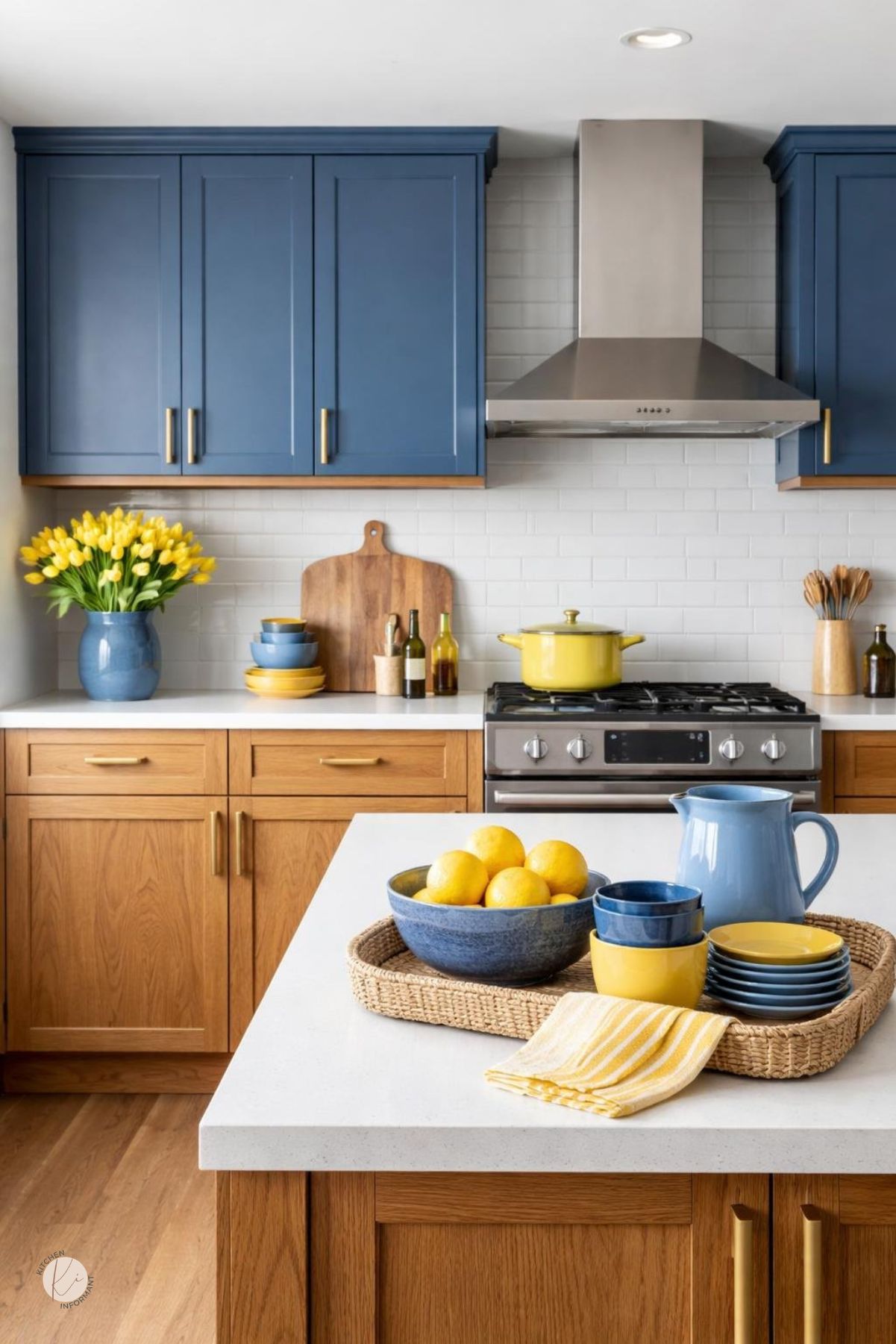
Oak cabinets usually bring warm undertones, especially honey, orange, or golden notes.
Those tones can support a blue and yellow kitchen, yet they can also clash if the new colors fight the wood instead of working beside it.
The goal is to choose supporting colors that reduce the cabinet’s visual weight.
That makes the grain look intentional, not dated.
Honey, Orange, and Golden Wood Notes
Honey oak tends to look warm and slightly yellow.
Orange oak often appears stronger and can pull the room toward a more dated tone if paired with bright yellow.
Golden oak sits somewhere in between and often responds well to muted blues.
A blue with a gray base can calm the wood, while a soft yellow can reinforce warmth without pushing it too far.
Paint, Wall, and Textile Pairings That Reduce Visual Clash
Cool neutrals such as soft gray, greige, or off-white help settle strong oak grain.
Blue wall paint also works well when it leans muted rather than vivid.
Textiles can bridge the gap between cabinet and color plan.
Linen curtains, simple patterned rugs, and solid seat cushions help the eye move through the room without spotlighting the wood tone in every direction.
Materials and Finishes That Support the Palette
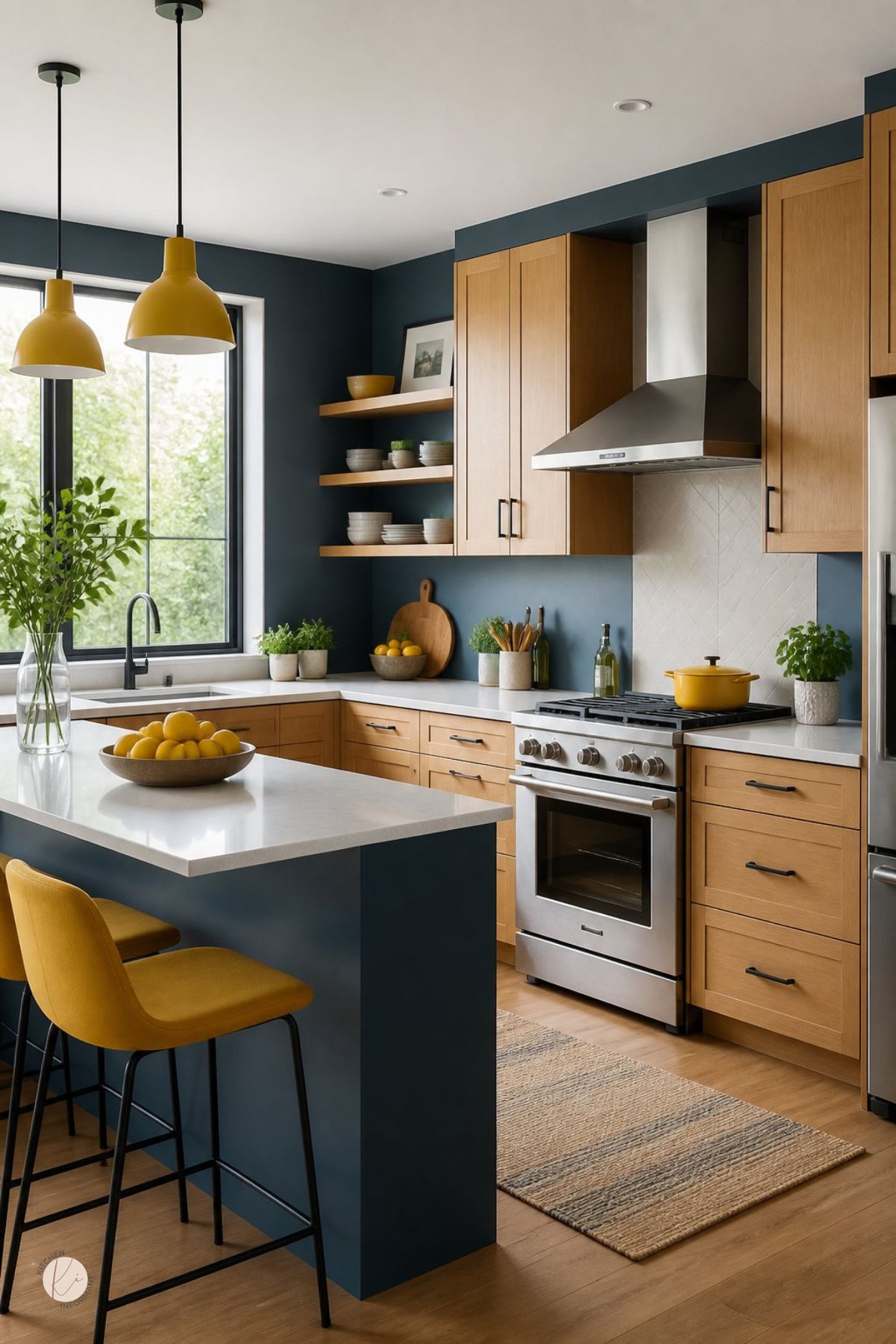
A blue and yellow kitchen with oak cabinets looks more finished when the hard surfaces stay steady.
Countertops, backsplash tile, hardware, and flooring should support the palette instead of adding more visual noise.
Neutral finishes usually give the room the best chance to feel organized.
Texture can still be present, just not in a way that competes with the color plan.
Countertop Options That Calm Strong Color
White quartz, light gray stone, and soft beige counters help balance bright cabinets and warm oak.
These choices keep blue and yellow from feeling too busy.
Wood countertops can work in some kitchens, though they need careful matching.
If the oak is already warm and strong, another warm wood surface can make the room feel heavy unless the color scheme is very restrained.
Backsplash and Hardware Combinations
Simple backsplash tile usually works better than busy patterns.
Glossy white subway tile, pale blue tile, or a soft patterned tile can tie the room together without overwhelming the cabinets.
Hardware should stay consistent.
Brushed nickel, stainless steel, and matte black all work in different settings, as long as the choice matches the rest of the fixtures and does not fight the cabinet tone.
Flooring Choices That Keep the Room Grounded
Flooring should anchor the room, not compete with it.
Medium wood, warm gray tile, or a quiet natural stone often works well with oak, blue, and yellow.
Very orange floors can make oak cabinets feel stronger than intended.
High-contrast patterned floors can also create too much movement if the cabinets and walls already carry a lot of color.
Refresh or Replace: Making the Practical Call
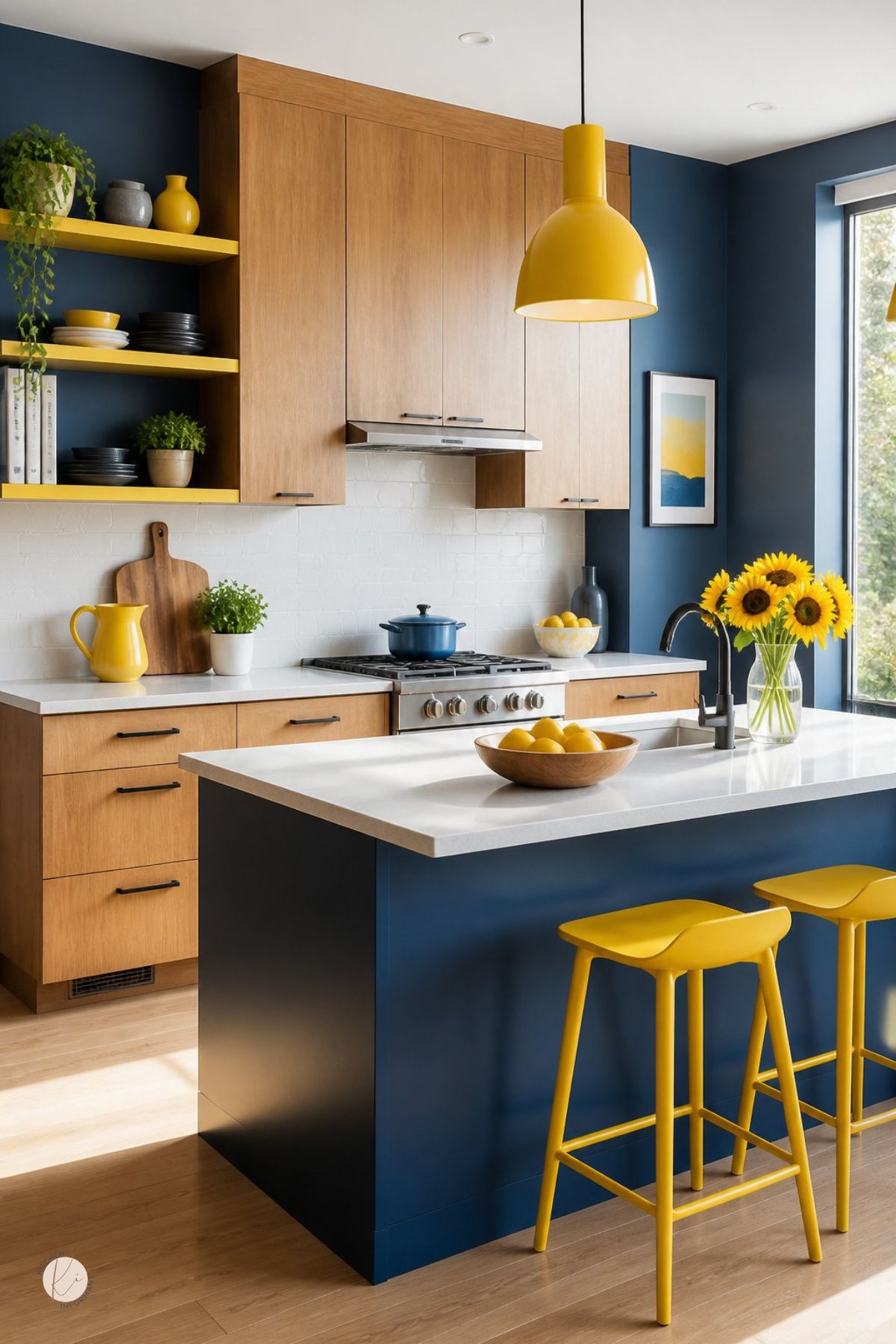
The best choice depends on cabinet health, layout, and cost.
Many kitchens only need targeted updates to support a blue and yellow palette, while others need new cabinetry because the old boxes no longer perform well.
A practical decision starts with the parts of the kitchen that cannot be seen in a photo.
Structure, function, and light quality matter more than a color trend.
Budget-Smart Cosmetic Changes
If the oak cabinets are sound, small updates can make a major difference.
New paint on walls, updated hardware, fresh backsplash tile, and a few blue and yellow accessories can shift the whole room.
Refacing or refinishing can also be a strong middle path.
It keeps the cabinet footprint, improves the finish, and gives the kitchen a more current look without the cost of full replacement.
Functional Problems That Justify New Cabinetry
New cabinetry makes sense when storage is poorly planned, drawers stick, or boxes have failed.
The same is true when damaged doors, warped panels, or water exposure make the cabinets hard to restore.
A remodel is also worth considering if the layout no longer works for daily use.
When function is weak, a new cabinet plan can support the color scheme better than repeated surface fixes.
You May Also Like: