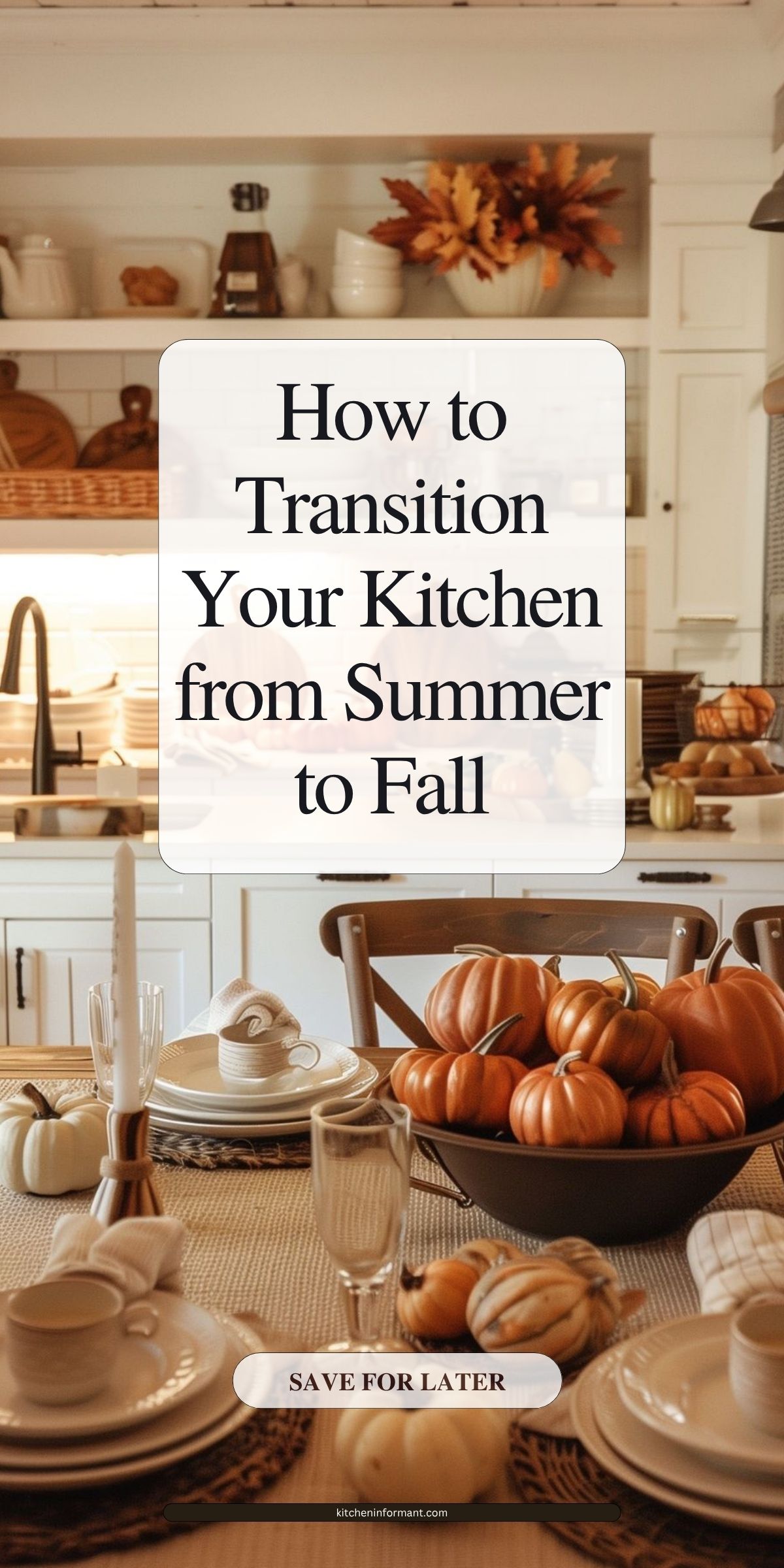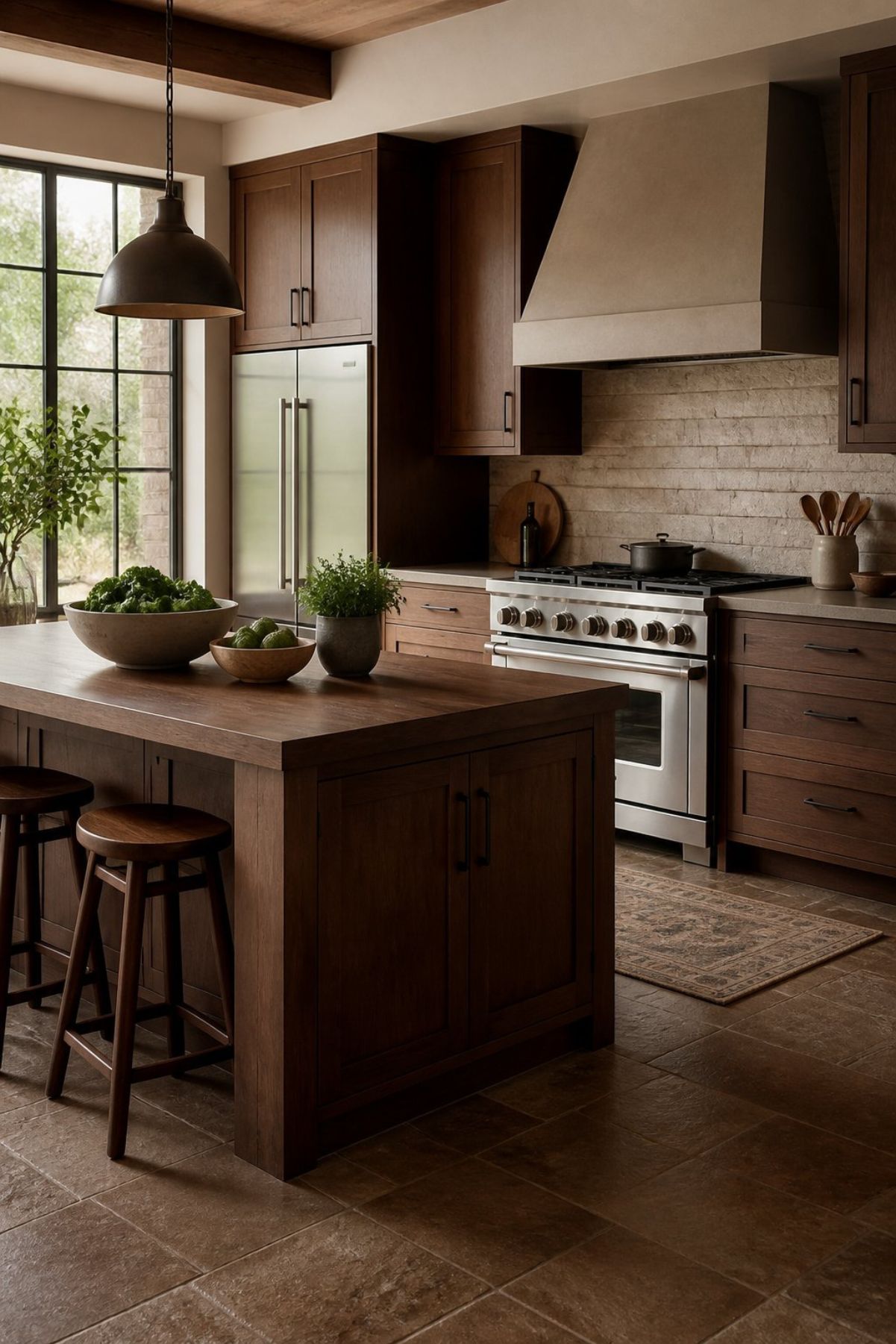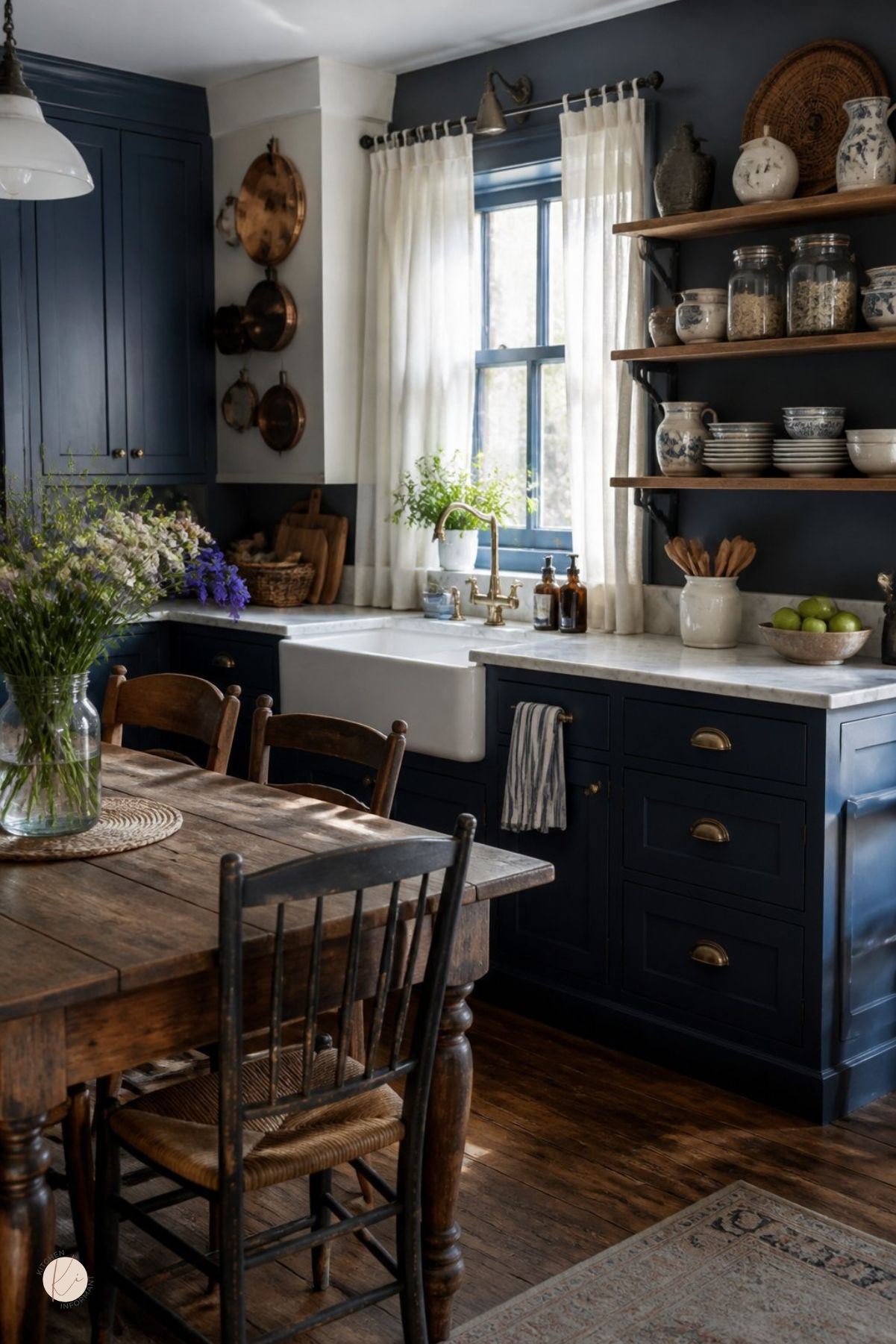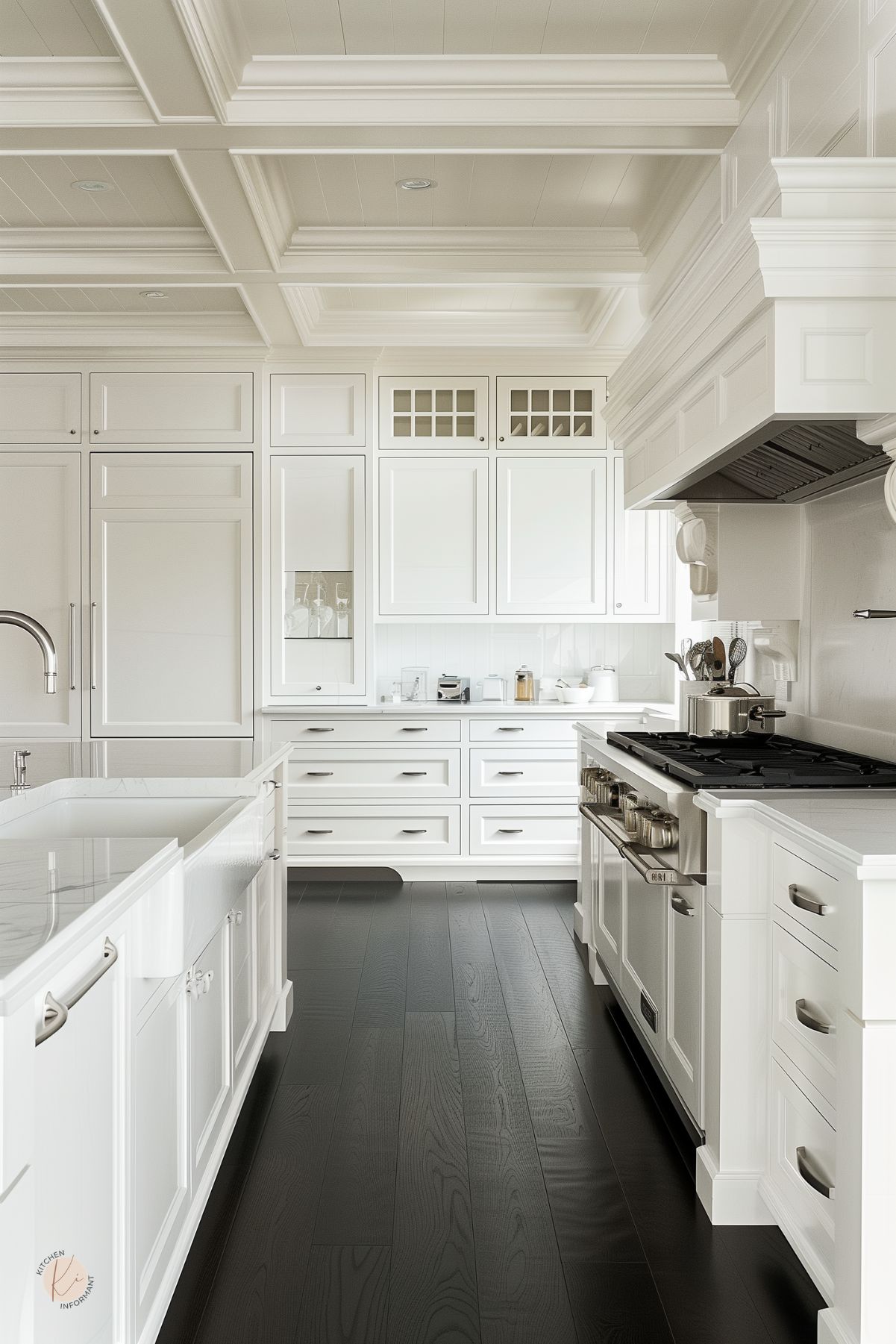
As the warm days of summer fade, the kitchen naturally becomes a cozy gathering spot again.
Transitioning from light, fresh meals to warm, comforting flavors calls for small but effective changes in how the kitchen looks and feels.
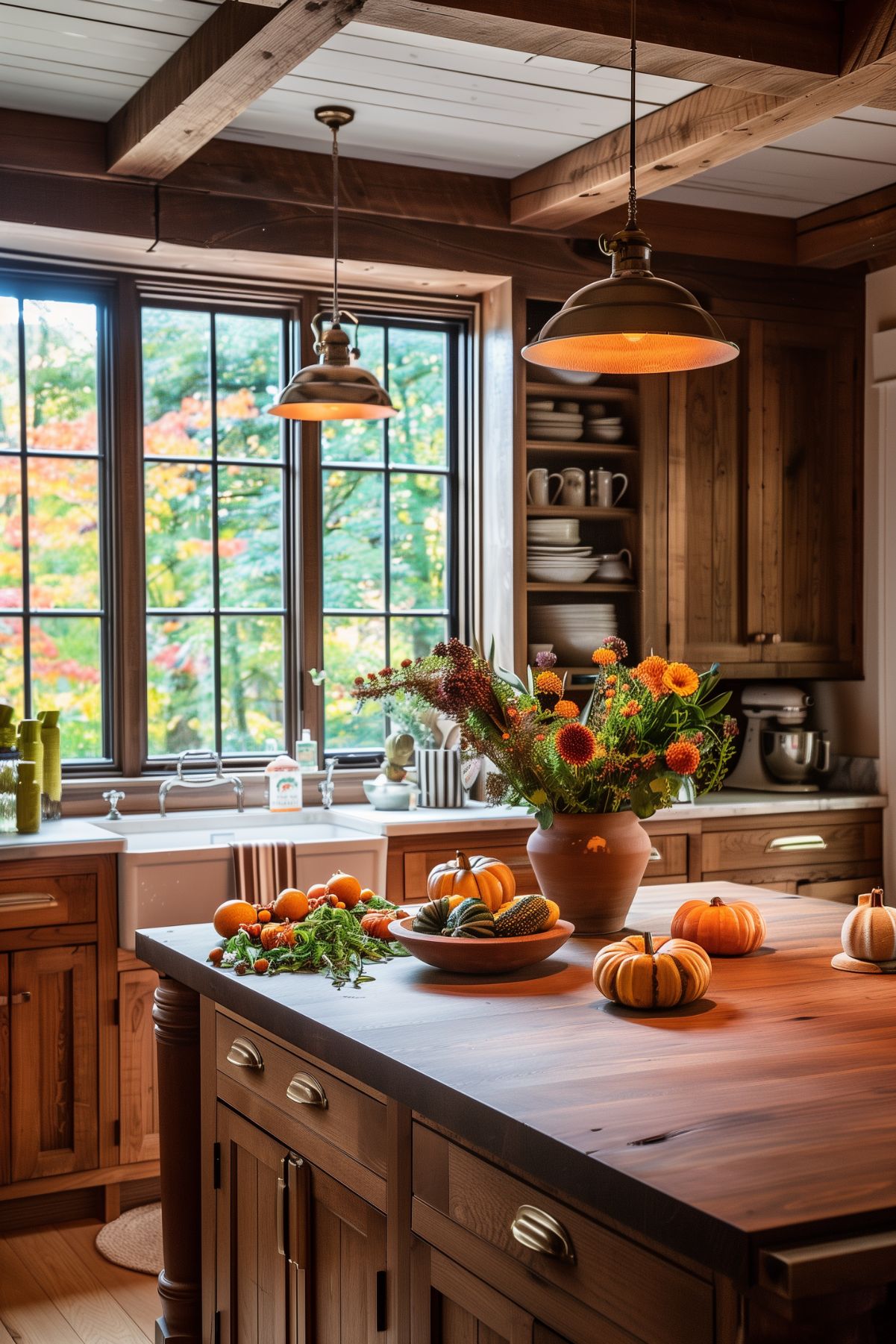
The key to shifting a kitchen from summer to fall is swapping out bright colors and summer scents for warm tones, layered lighting, and seasonal aromas.
These simple updates can make the space inviting and fit the mood of the cooler months without much effort.
Adding plush textures, richer colors, and autumn-inspired decorations helps create a warm atmosphere.
By making thoughtful swaps, the kitchen can smoothly move from the brightness of summer into the comfort of fall.
Preparing Your Kitchen for Seasonal Changes
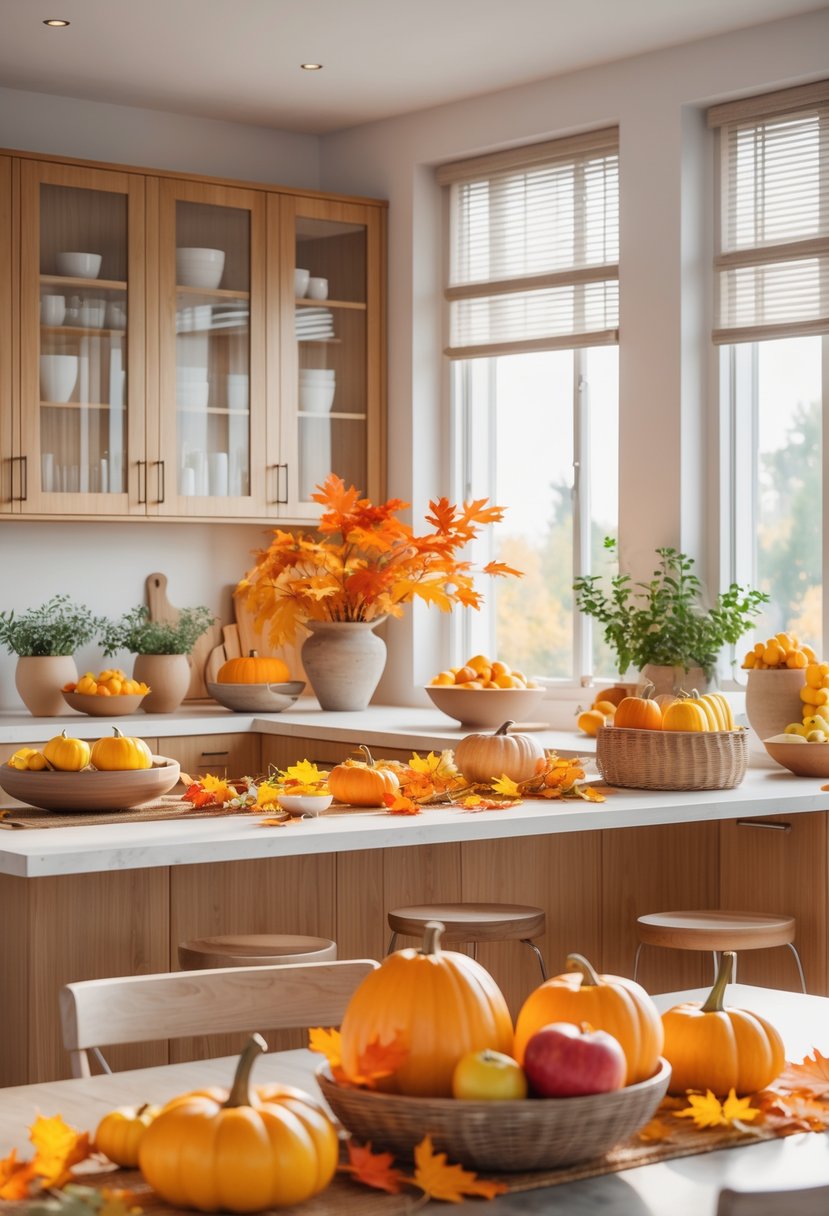
Transitioning a kitchen from summer to fall involves clearing out unused items, thoroughly cleaning, and reorganizing storage.
These steps help create space for fall ingredients and make cooking more efficient during cooler months.
Decluttering Summer Items
Removing summer-specific items is the first step.
This includes lightweight dishes, salad bowls, and outdoor cooking tools that see little use in fall.
Putting away these items frees up space for heavier cookware and baking tools more common in fall cooking.
He or she should sort through pantry items, discarding expired or unused foods.
Summer spices and marinades can be replaced with fall flavors like cinnamon, nutmeg, and savory herbs.
Decluttering helps keep the kitchen tidy and creates room for seasonal staples.
Deep Cleaning Surfaces and Appliances
Deep cleaning surfaces and appliances prepares the kitchen for fall’s more frequent use.
Countertops, backsplashes, and sinks should be scrubbed to remove summer grime.
Appliances like ovens and refrigerators need special attention.
Cleaning the oven ensures better cooking results for baking and roasting.
The fridge should be emptied and wiped down to clear out summer produce and make room for fall fruits and vegetables.
Organizing Kitchen Storage
After decluttering and cleaning, organizing storage makes fall cooking easier.
Items used often should be placed within easy reach.
Bulkier equipment like slow cookers or Dutch ovens can replace summer grilling tools in drawers or cabinets.
Pantry organization matters, too.
Grouping fall ingredients like canned pumpkin, root vegetables, and baking supplies in a designated spot streamlines meal prep.
Proper storage also helps avoid waste by keeping items visible and accessible.
Incorporating Fall Decor and Textiles
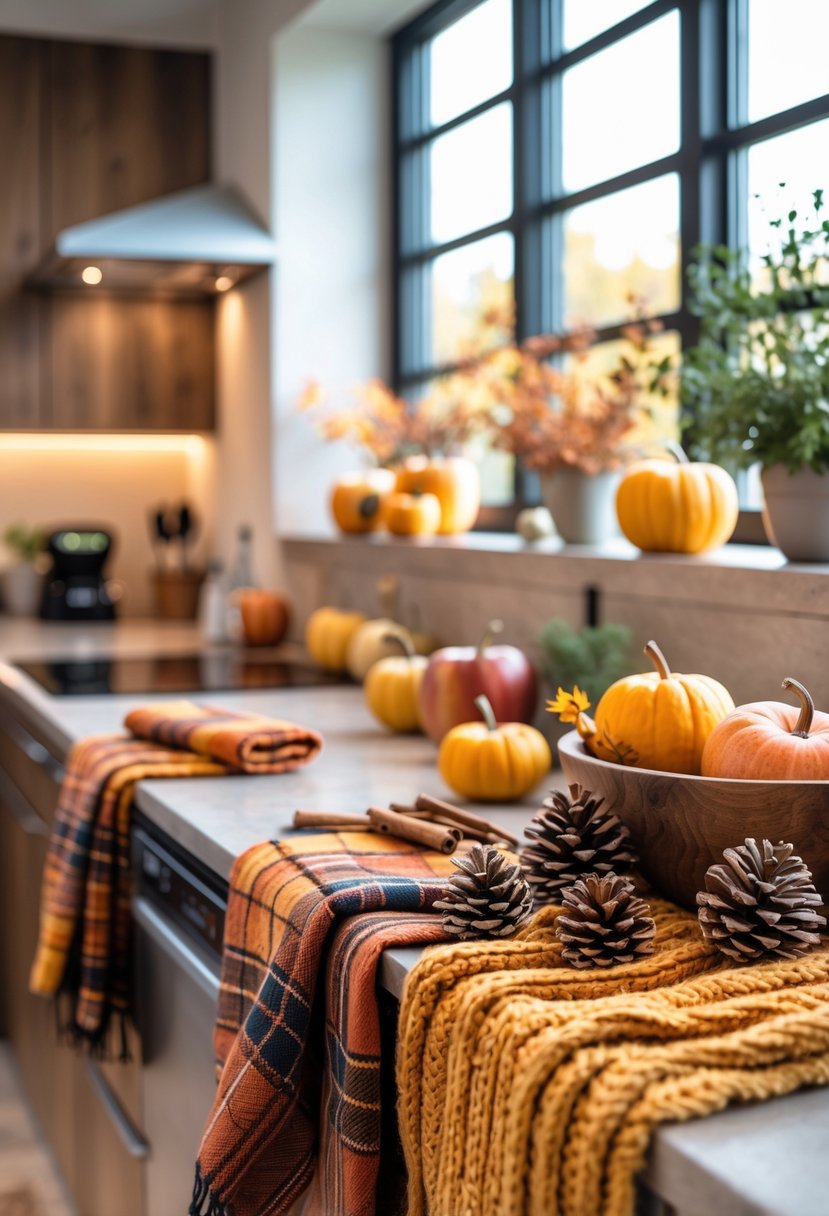
Adding fall decor and textiles to the kitchen creates a warm and inviting space for the season.
Using specific colors, updating table linens, and placing seasonal centerpieces gives the kitchen a fresh, autumn look without a complete overhaul.
Choosing Autumn-Inspired Colors
Autumn colors are rich and earthy.
Shades like burnt orange, deep red, mustard yellow, and chocolate brown work well in the kitchen.
These colors can appear on dishware, kitchen towels, or small appliances.
Using a consistent color palette keeps the space coordinated.
For a subtle look, adding just a few accents in these colors is enough.
For a bolder effect, incorporating larger pieces, like placemats or cabinet décor, helps reinforce the fall vibe.
Refreshing Table Linens and Towels
Swapping out summer table linens and towels for fall versions is an easy update.
Choose fabrics with warm textures like cotton or linen to add softness.
Look for patterns with leaves, pumpkins, or simple stripes in autumn colors.
These designs bring seasonal charm without being overwhelming.
Keep an extra set of dish towels handy for cooking and cleaning during the busy fall season.
Using textiles that absorb well and wash easily is practical as well as decorative.
Adding Seasonal Centerpieces
Centerpieces can change the entire look of a kitchen table or countertop.
Use natural elements like small pumpkins, pinecones, or dried leaves arranged in a bowl or tray.
Candles with scents like cinnamon or apple add warmth and a cozy feel.
If space allows, a vase with branches or fall flowers can make a strong seasonal statement.
Centerpieces should be easy to update or remove for daily kitchen use.
Keeping them low ensures they don’t block sightlines or interfere with meal prep.
Switching Pantry Staples for Fall Cooking
Adjusting the pantry means bringing in ingredients that work for heartier, warming meals.
It also calls for organizing staples like grains and spices to support seasonal recipes.
This ensures quick access to everything needed for soups, roasts, and baked dishes as cooler weather sets in.
Stocking Up on Fall Ingredients
Fall cooking focuses on ingredients that add depth and comfort to meals.
Staples often include pumpkin puree, butternut squash, sweet potatoes, apples, and kale.
These vegetables and fruits work well in soups, stews, and casseroles.
Dried beans like black beans and pinto beans are common pantry additions, offering protein and fiber.
Canned tomatoes and broth are also useful for creating rich sauces and bases.
It helps to prioritize ingredients with longer shelf lives that fit fall recipes.
Bulk buying of items such as nuts, dried fruits, and canned pumpkin can save time and reduce frequent trips to the store.
Storing Grains, Spices, and Baking Essentials
Grains like rice, quinoa, and barley support many fall dishes.
Keeping them in airtight containers prevents spoilage and pest issues during storage.
Spices such as cinnamon, nutmeg, cloves, and allspice add warm, seasonal flavors.
These should be placed where they are easy to reach, arranged for quick identification.
Baking essentials—including flour, baking soda, brown sugar, and vanilla extract—are key for fall desserts and bread.
Maintaining a clean, dry pantry area helps preserve their quality and freshness over time.
Transitioning Cookware and Kitchen Tools
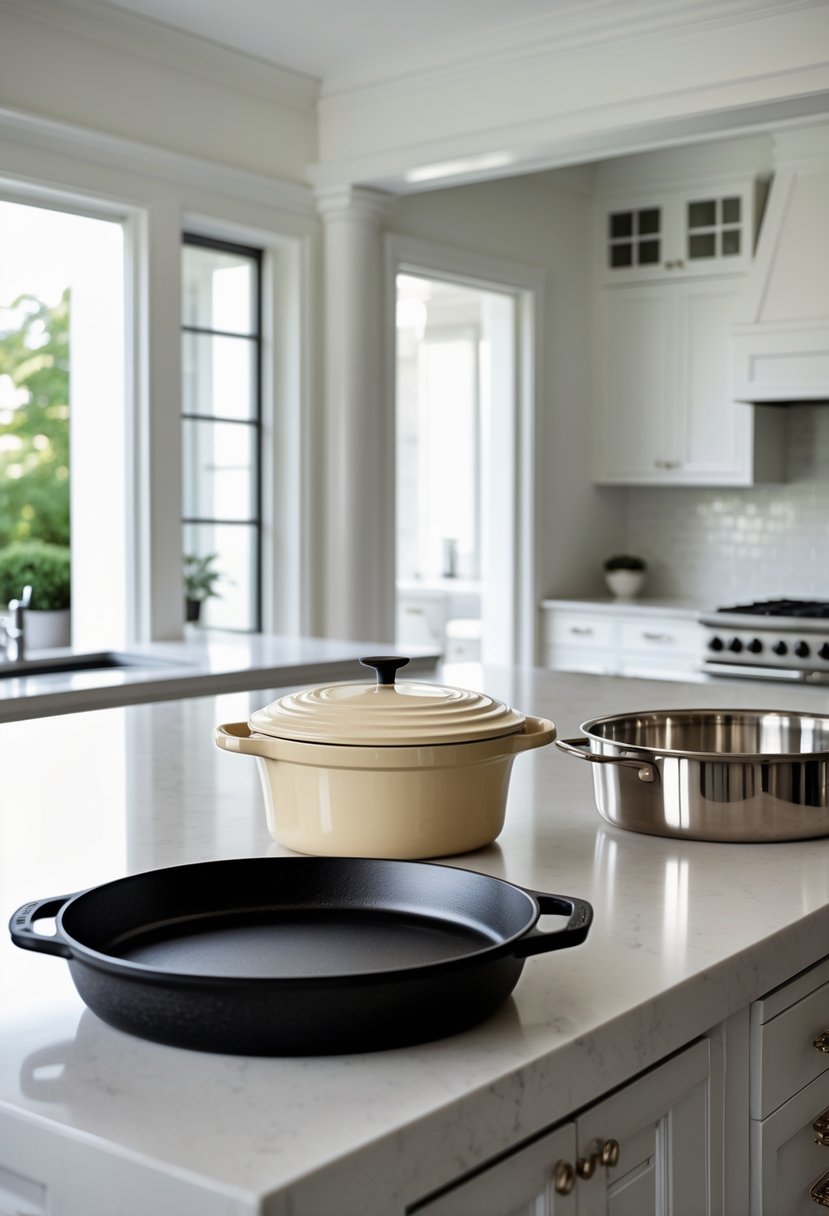
The shift from summer to fall in the kitchen often means swapping out lighter tools for ones that suit heartier cooking styles.
This includes setting aside gadgets made for quick, cold meals and bringing forward cookware better for slow-cooked and warm dishes.
Rotating Summer Gadgets Out
Summer gadgets like blenders for smoothies, ice cream makers, and outdoor grill tools often get less use as the weather cools.
These should be cleaned thoroughly and stored away to clear space for fall essentials.
Lightweight tools like salad spinners and citrus juicers may also be rotated out.
They are mainly used for fresh, cold dishes.
Removing these gadgets reduces clutter and makes room for tools that support more complex cooking.
Keeping summer utensils organized and accessible for next year is important.
Use labeled bins or cupboard space to avoid misplacing items during the seasonal switch.
Bringing Fall Cookware Forward
Fall cooking benefits from heavier, more durable cookware.
Cast iron skillets, Dutch ovens, and large roasting pans are essential for braising, roasting, and stewing.
Heavier pots and pans with tight-fitting lids are needed for preparing soups and stews.
Slow cookers and pressure cookers also become more useful as meals shift to warm, slow-cooked styles.
Utensils like wooden spoons, ladles, and heatproof silicone spatulas should be brought to the front.
These tools handle thicker, hotter dishes better than the lighter, summer-specific versions.
Adjusting Lighting and Ambiance
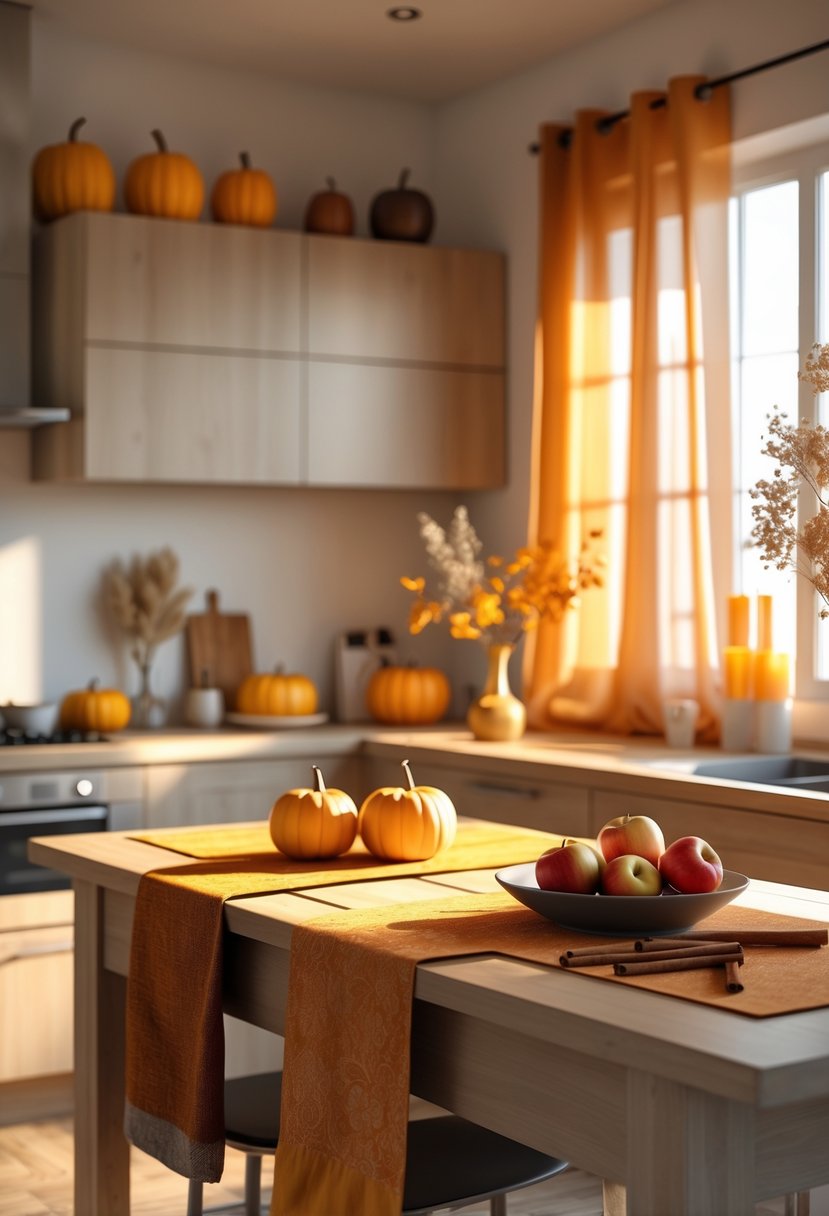
Creating a warm and inviting atmosphere is key when shifting a kitchen from summer to fall.
Focus on softening the light and adding comforting scents that evoke the feeling of autumn.
These changes help the kitchen feel cozy and ready for the cooler months.
Utilizing Warm Lighting Solutions
Switching out harsh, bright bulbs for ones with a softer, warmer glow can make a big difference.
Warm white bulbs, around 2700K to 3000K, help create a cozy space.
Adding table or floor lamps with soft fabric shades can diffuse light and reduce sharpness.
String lights or candles placed strategically bring gentle light and added charm.
Candles with wooden or amber holders add a natural touch while giving off a flickering glow.
Lamps with dimmers allow better control of brightness, matching the shorter daylight hours.
Introducing Autumn Scents
Replacing fresh, summery smells with autumn-inspired aromas enhances the seasonal feel.
Popular scents include cinnamon, clove, apple, and pumpkin.
These can be added through scented candles, essential oil diffusers, or simmer pots with spices and fruit.
Using natural materials, such as dried orange slices or cinnamon sticks, in a bowl on the counter not only looks seasonal but adds subtle fragrance.
It’s important that the scents are not overpowering; they should gently complement the space and enhance the mood.
Updating Kitchen Displays and Open Shelving
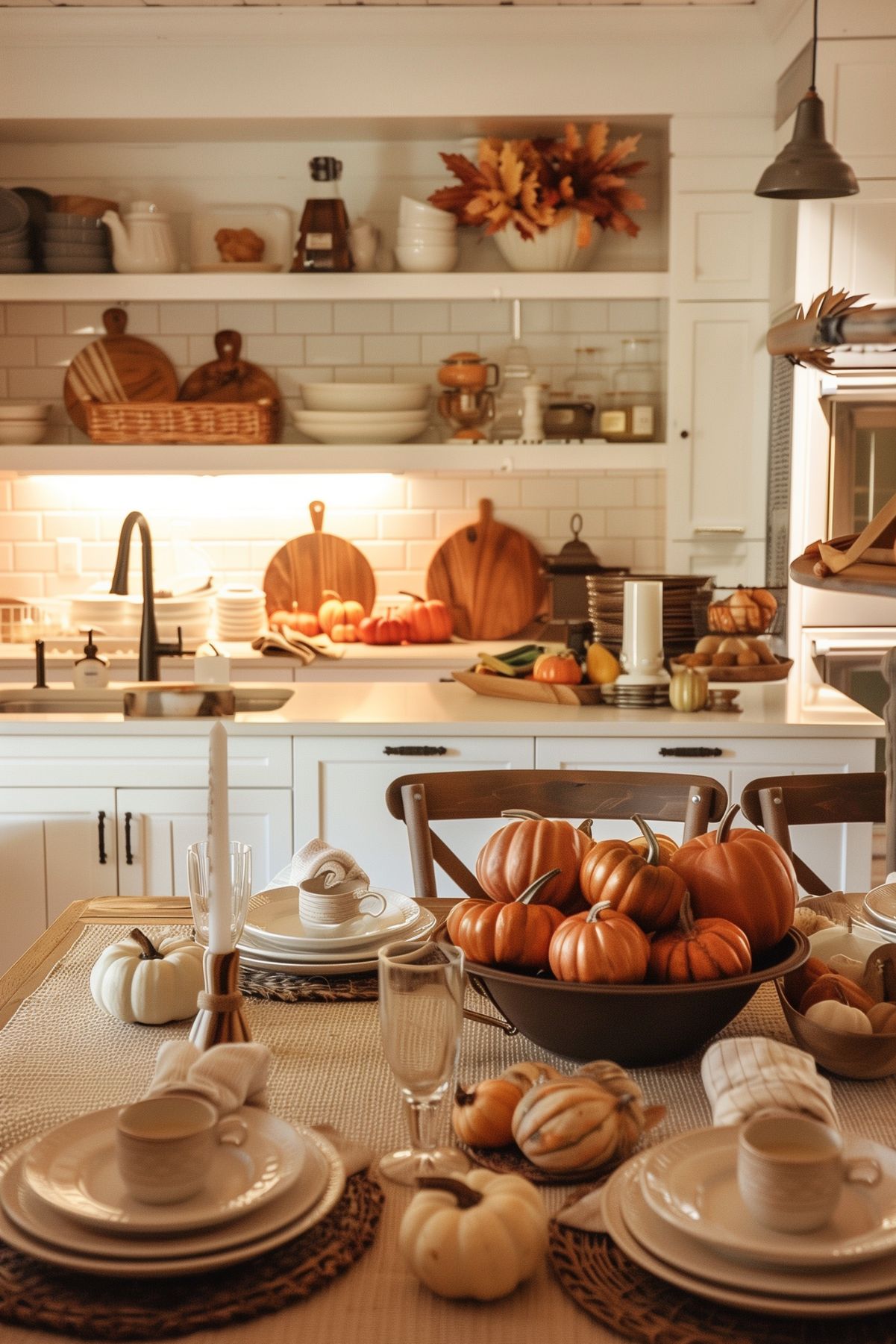
Updating kitchen displays and open shelves can make a clear seasonal shift. Focusing on the right dishware and fresh produce helps bring fall’s colors and textures inside.
The key is balancing decoration with practical storage while highlighting seasonal charm.
Showcasing Seasonal Dishware
Switching to autumn-themed dishware is an easy way to refresh kitchen displays. Heavier ceramics in warm tones like burnt orange, deep red, and brown create a cozy vibe.
Mixing solid colors with subtle leaf or pumpkin patterns adds interest without overwhelming the space. Grouping similar items keeps shelves tidy.
Stacking plates by size and placing mugs or bowls nearby maintains order. It also helps if dishes blend with the kitchen’s existing color scheme—either matching or contrasting thoughtfully.
Limiting displayed items to everyday essentials and a few decorative pieces prevents clutter. Using open shelving for highly used dishes combines style and convenience during busy fall cooking.
Displaying Fall Produce
Showing fall produce on open shelves or counters brings seasonal freshness indoors. Pumpkins, gourds, apples, and pears are common choices that add natural color and texture.
Using a variety of containers enhances appeal. Wooden bowls, wire baskets, or ceramic trays all work well.
Grouping fruits in small clusters rather than spreading them out gives a curated look. It’s best to place produce where it won’t be in the way of daily tasks but remains visible as decor.
Regularly rotating items ensures freshness and prevents spoilage. This keeps the display neat and attractive.
Maintaining Functionality During the Transition
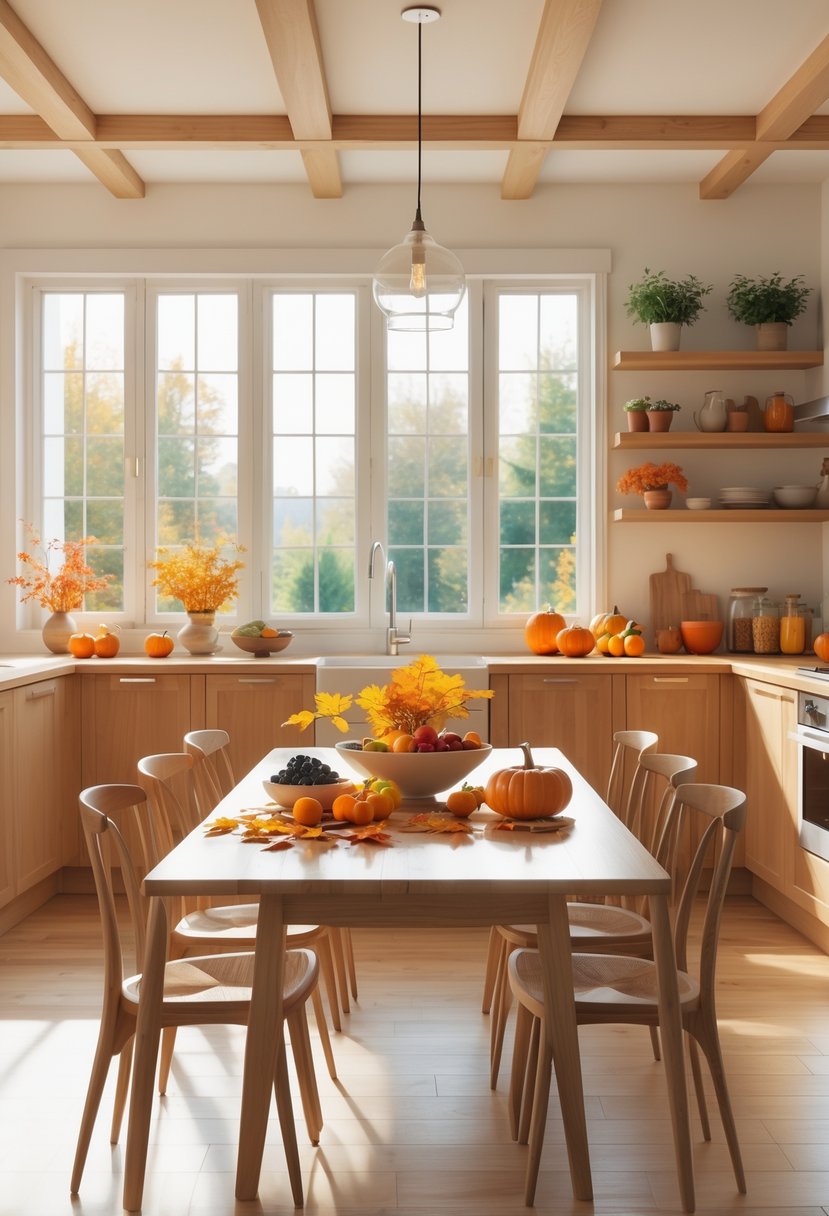
When moving the kitchen from summer to fall, keeping it practical is key. The kitchen should stay easy to use while adding cozy touches.
Start by evaluating daily kitchen tasks. Prioritize items used often and keep them within reach.
This avoids clutter and maintains efficiency.
Adjust storage to fit seasonal needs. Swap out summer tools like salad spinners for warmer cooking items such as slow cooker accessories or soup pots.
Lighting matters for function and mood. As daylight shortens, add soft, warm lighting.
Under-cabinet lights or dimmable fixtures help with food prep and create a comfortable atmosphere.
Use simple decor swaps that don’t get in the way. Switch bright summer towels for earth-toned ones.
Place a small bowl of seasonal fruits on the counter for easy snacking and visual appeal.
Keep cleaning easy by minimizing extra decorations on surfaces. Clear counters allow for smooth cooking and meal prep, especially when making hearty fall dishes.
Lastly, consider the kitchen’s temperature. Fall means cooler days, so adding a small, portable heater or thick rugs near the cooking area can keep the space pleasant without overcrowding it.
You May Also Like: