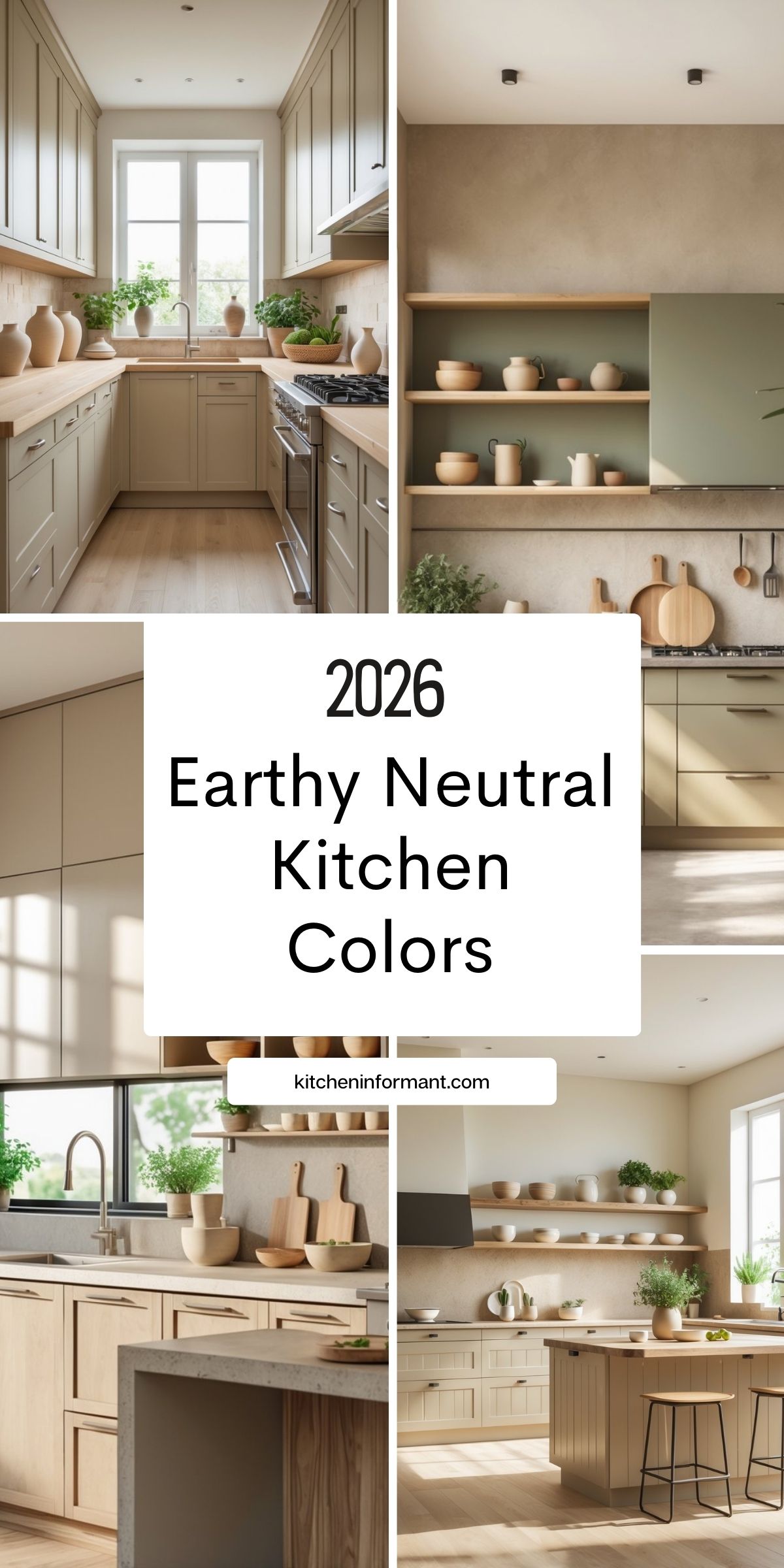
Earthy neutral kitchen colors create a warm and calming atmosphere that brings a natural balance to any cooking space. These tones borrow from nature—think soft beiges, gentle browns, and muted greens.
They have this timeless, inviting look that feels cozy yet fresh without being too much for the senses.
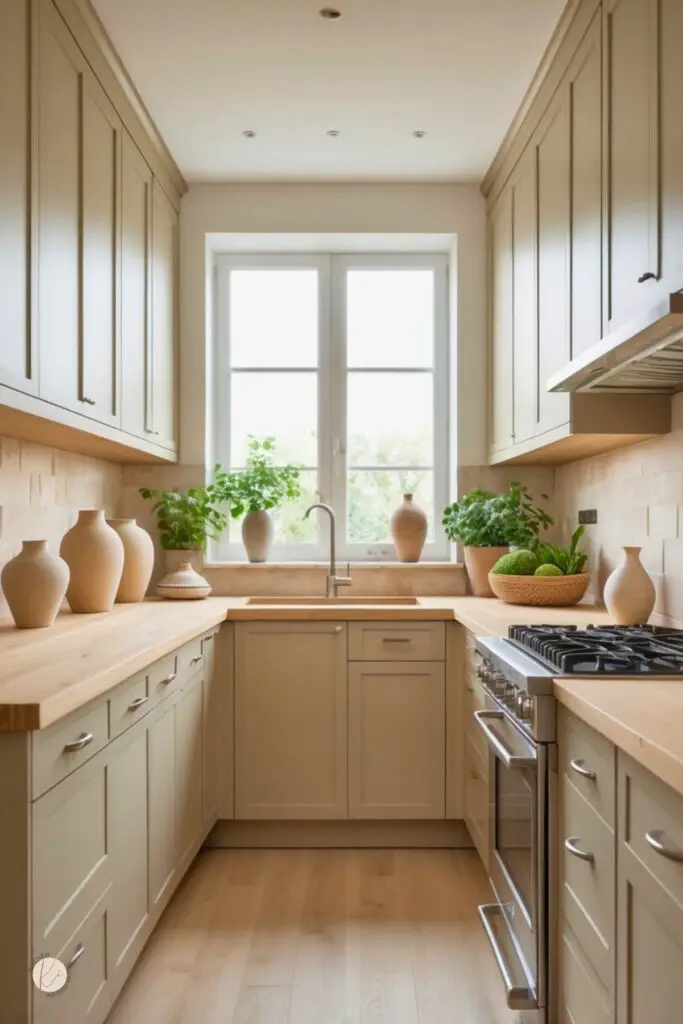
When you go with earthy neutrals, the kitchen starts to feel like a peaceful retreat. These colors blend easily with natural materials like wood, stone, you name it.
The palette works for both modern and traditional vibes, and it really helps connect the indoors with the outdoors, grounding the space and making it feel genuinely welcoming.
This look has caught on because it matches a more relaxed, grounded lifestyle. People want a kitchen that feels stylish but also comforting—something that won’t go out of style next season.
Understanding Earthy Neutral Kitchen Colors
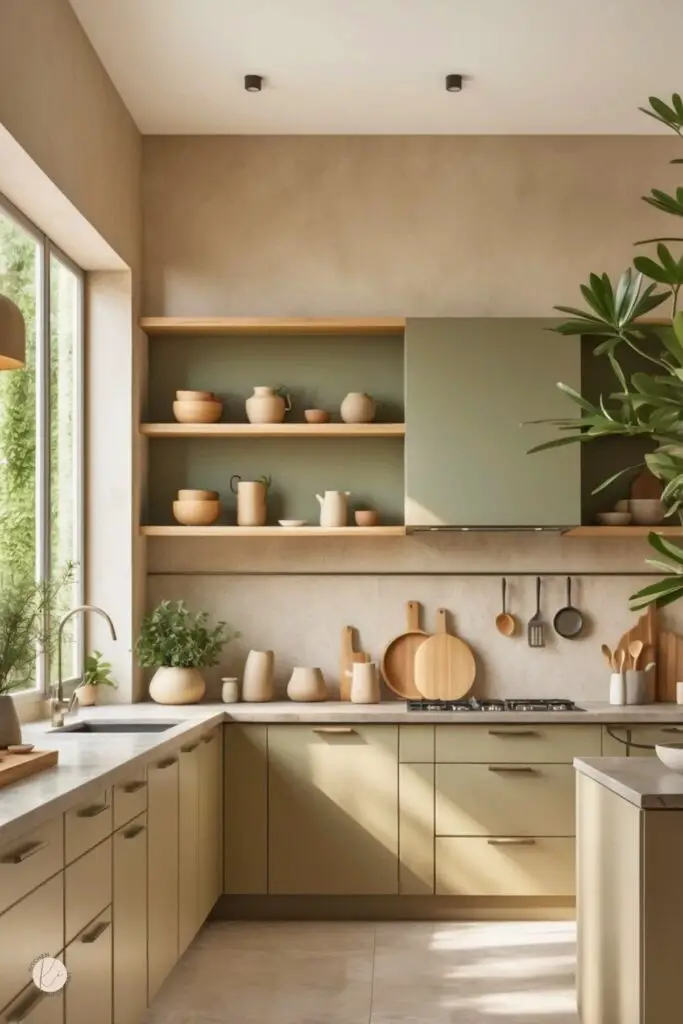
Earthy neutral kitchen colors blend natural tones that feel warm and calming. These colors come straight from nature and create a balanced, inviting environment.
The appeal is in their simplicity and that understated elegance because they help kitchens feel open, but still cozy.
Definition and Characteristics
Earthy neutral colors are muted shades inspired by natural elements like soil, stone, and plants. You’ll see tones like beige, taupe, cream, and soft browns.
They’re low on saturation and have moderate brightness, so they come off soft and never in-your-face.
Most of these tones have a warm undertone that keeps spaces feeling inviting instead of chilly. You can use them alone or layer them for depth, and they never overpower the room.
That versatility means earthy neutrals work in pretty much any kitchen style like modern, rustic, whatever you like.
Popular Shades and Palettes
Some of the go-to earthy neutrals:
- Beige: Soft, warm tan that plays nicely with white or darker browns.
- Taupe: A gray-brown mix that feels calm and grounded.
- Cream: Light, warm off-white that brightens up the kitchen.
- Warm gray: Subtle neutral gray with a bit of warmth to balance out cool appliances.
People often mix these with accents like olive green, muted rust, or deep browns. A classic combo? Cream walls, taupe cabinets, and dark brown counters. It’s layered, it’s natural, and honestly, it just feels right.
Psychological Impact in Kitchens
Earthy neutrals really do shape the mood—calm, comfortable, and relaxed. Their natural vibe makes time in the kitchen less stressful, whether you’re cooking or just hanging out. These colors help ground the space, so you just feel more at ease there.
Lighter earthy neutrals can make small kitchens look bigger, which is always a plus. Warm neutrals add coziness but don’t feel heavy. Altogether, they make a kitchen peaceful and practical for everyday life.
Choosing Earthy Neutral Tones for Kitchens
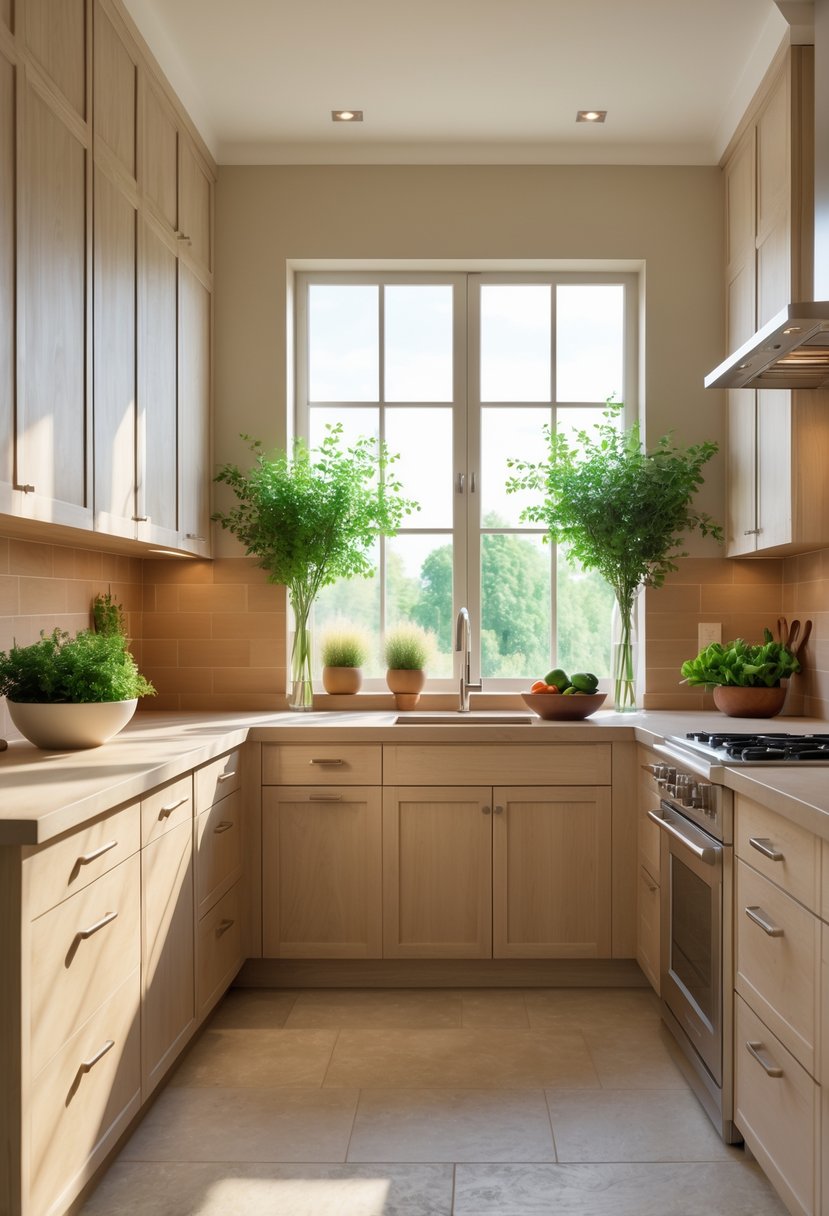
Picking earthy neutrals takes some thought if you want the kitchen to feel balanced and welcoming.
You’ve got to consider the way colors, materials, and lighting all work together. The right choices depend on your cabinets, countertops, and how much natural or artificial light you’ve got to work with.
Selecting the Right Color Combinations
When you’re choosing colors, it’s all about balancing light and dark. Lighter shades like beige, soft taupe, or sand look great with darker cabinets.
If you want more depth, try darker earth tones like terracotta, warm browns, or muted greens with white or light wood cabinets.
Honestly, sticking to two or three main colors keeps things from getting chaotic. Maybe one for the walls, another for cabinets, and a third for accents like the backsplash or furniture.
That way, the space feels calm and natural, not boring.
Matching Neutrals with Kitchen Materials
Your materials should play nicely with earthy neutrals. If you have wood cabinets, go with warm beige or cream walls to boost that natural vibe. Stone or concrete countertops look awesome with soft browns and grays.
Matte finishes on cabinets or walls keep things understated. Glossy surfaces can feel a bit harsh with earth tones, unless you balance them out with natural textures—maybe a wood grain or a woven rug.
Coordinating with Lighting and Space
Lighting changes how these colors look. Natural light makes warm neutrals pop and can make the kitchen feel bigger.
If you don’t get much sunlight, deeper tones can cozy up the space, but you’ll want to layer lighting like recessed, pendant, or under-cabinet lights so it doesn’t feel flat.
Size matters too. Small kitchens do better with lighter neutrals so they don’t feel cramped. If you have a big kitchen, you can use richer earth tones, especially if you’ve got good lighting to keep things bright.
Top Earthy Neutral Colors for Kitchens
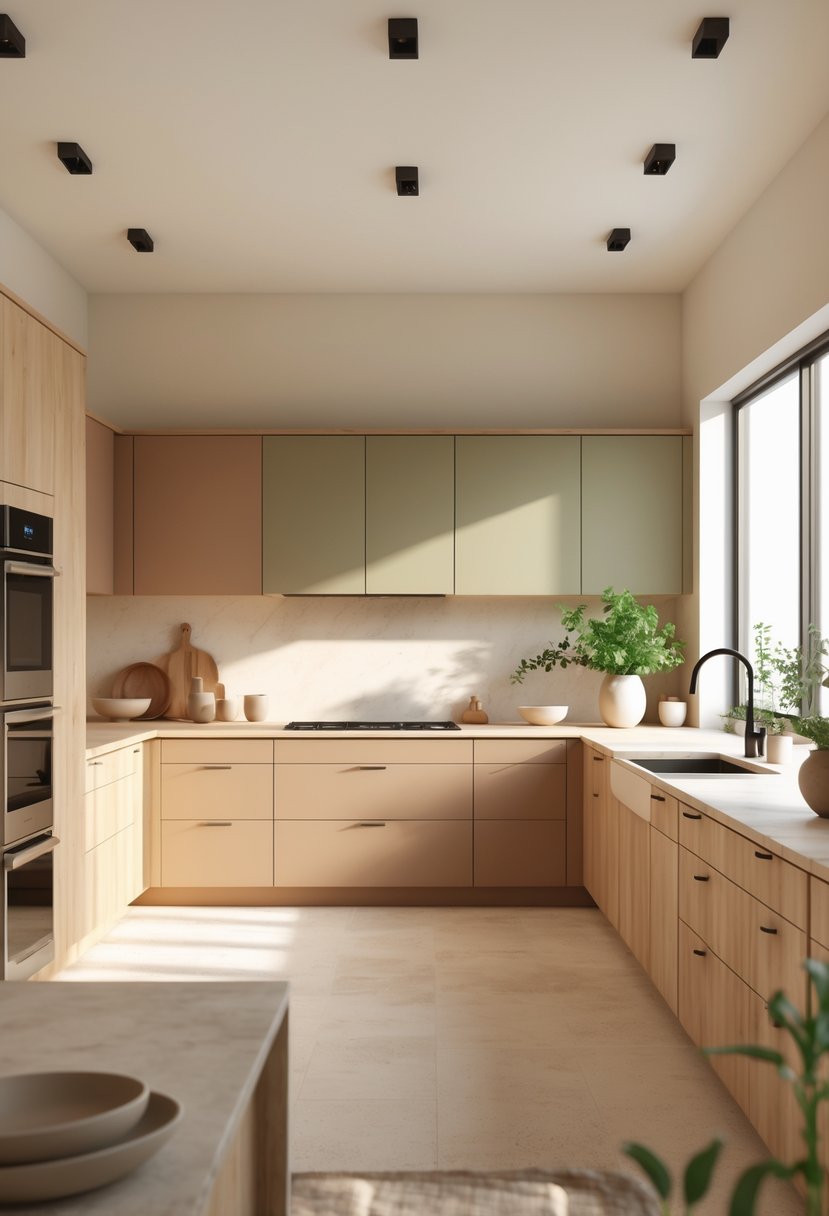
Earthy neutrals give kitchens a calming, natural base. They’re warm, inviting, and mix well with wood, stone, and metal.
The trick is picking tones that add depth but don’t take over the room, so the kitchen feels balanced and never goes out of style.
Warm Beige and Taupe
Warm beige and taupe are classics for a reason. They bring a soft, natural warmth that works for both modern and traditional kitchens. Beige has those subtle yellow or pink undertones, while taupe leans more gray-brown for extra depth.
Pair these with wood cabinets and stone countertops. They reflect light but aren’t blinding, so the space stays cozy. Plus, you can throw in accent colors like deep blue or muted green for a little extra pop no clashing, just interest.
Soft Greige and Stone
Soft greige is that sweet spot between gray and beige—neutral, modern, and still earthy. It’s less warm than beige, but not as cold as pure gray, so you can use it just about anywhere. Stone shades pull from natural rock, running from light gray to deeper earthy tones.
These work on walls, cabinets, even backsplashes. They give you a subtle backdrop that lets wood or metal fixtures stand out. Greige and stone keep things grounded and clean, without looking stark or gloomy.
Sage Green and Olive
Sage green and olive bring in a gentle, nature-inspired green that just feels right with earthy palettes. Sage is lighter and a bit grayish, while olive is deeper with yellow undertones.
They look fantastic with wood and warm metals like brass or bronze. Using sage or olive adds natural color without overpowering the space. These greens play well with neutrals—try them on cabinets, walls, or as accent pieces.
Mushroom and Clay
Mushroom and clay add those rich, organic earth tones that ground a kitchen. Mushroom is a muted gray-brown, super sophisticated but not stuffy. Clay brings in warm, reddish-brown tones—think natural, sunbaked earth.
Both are great for creating warmth and texture. Mushroom is subtle and elegant for cabinets or walls, while clay gives a rustic edge and pairs well with wood and stone. They help the kitchen feel tactile and grounded but never artificial.
Incorporating Earthy Neutrals in Kitchen Design
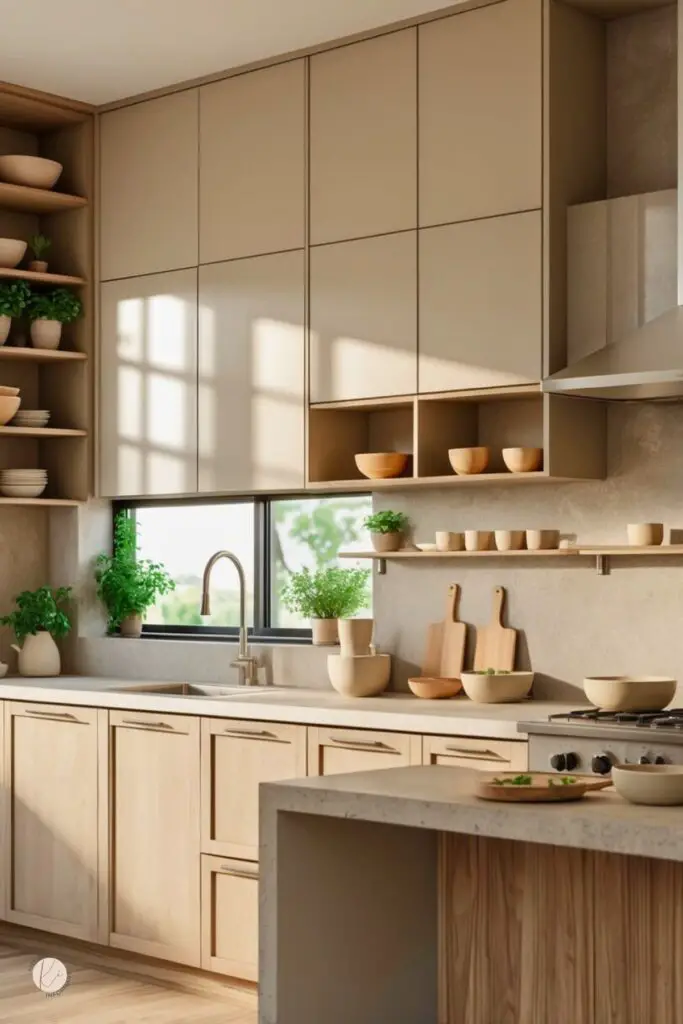
Earthy neutrals set a calm, natural tone in the kitchen. Getting the right mix of color and material for walls, cabinets, countertops, and floors shapes the whole vibe.
It’s all about keeping the warmth without making things feel heavy.
Walls and Backsplashes
Walls and backsplashes really set the mood. Soft beige, taupe, and warm gray are favorites—they reflect light and add warmth at the same time.
Go for textured backsplashes in natural stone or matte tile to complement earthy walls. Travertine or soft ceramic tiles add a little pattern and organic feel, but won’t clash with the rest of the color scheme.
If you use one neutral for the walls and a slightly darker backsplash, you get depth. Or, if you’re feeling bold, a muted green backsplash can bring in a gentle contrast while still keeping things grounded.
Cabinet Finishes
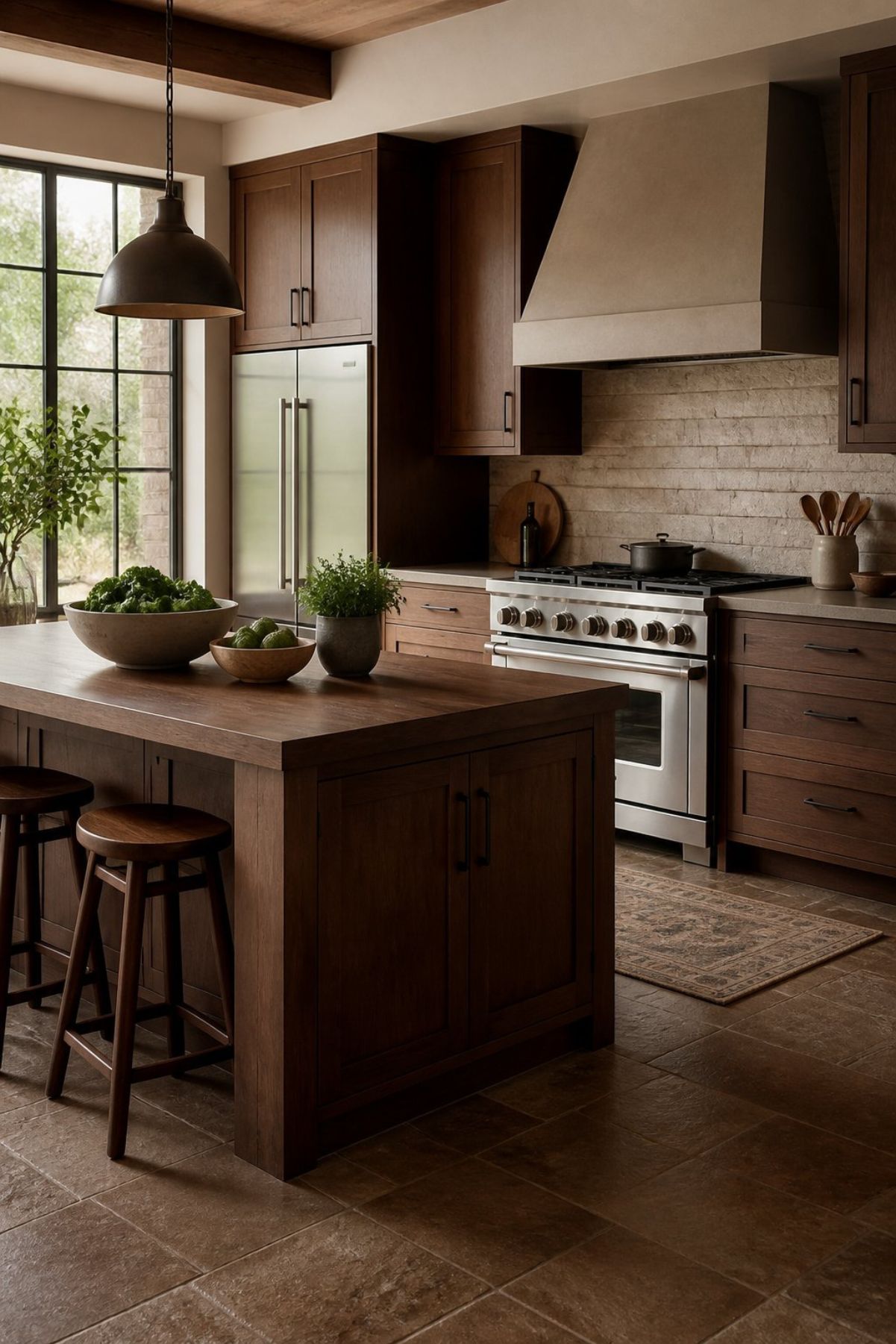
For cabinets, earthy neutrals mean natural materials and soft colors. Wood cabinets like oak, walnut, maple add warmth and texture that’s hard to fake.
Matte or satin finishes are usually best; high gloss can feel cold. Painted cabinets in soft taupe, cream, or clay have a quiet sophistication that just works.
Open shelving with natural wood or muted green accents can break up a wall of cabinets, adding some visual interest but keeping the earthy, laid-back vibe.
Countertop and Flooring Options
Countertops should look natural but stand up to daily use. Butcher block, warm beige quartz, or granite with earthy flecks all fit the bill.
For floors, hardwood or wood-look tile in warm brown or soft gray is always a solid choice. Natural stone or slate tiles give a rugged, grounded look and hold up well.
Textured or matte finishes on counters and floors cut down on glare and boost that organic feel. Plus, they’re easier to keep looking good.
Accenting Earthy Neutral Kitchens
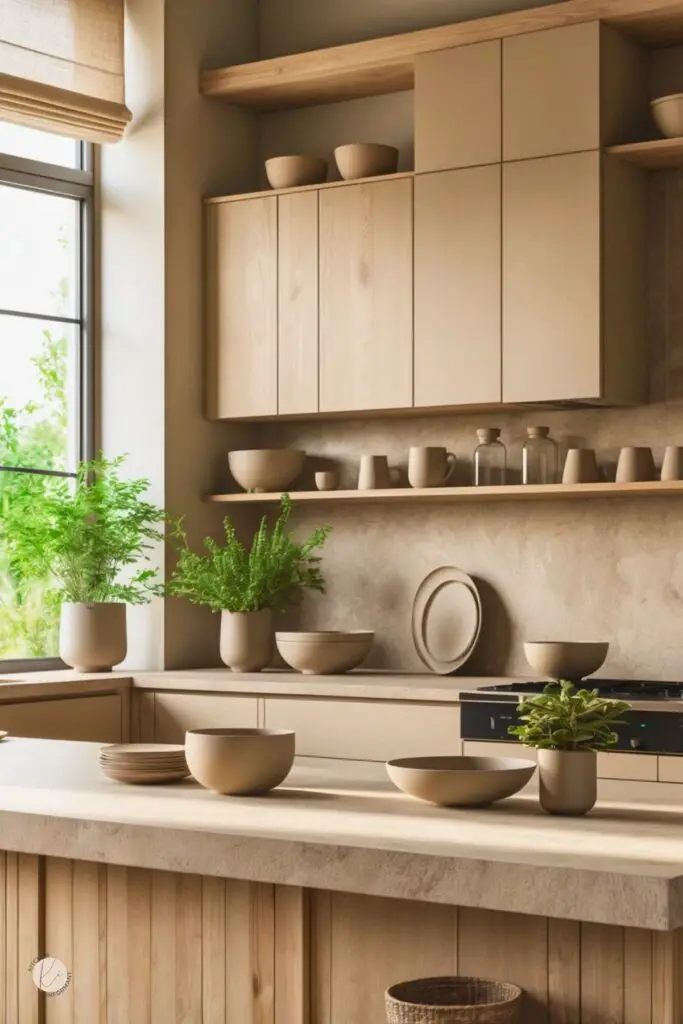
Earthy neutral kitchens really come alive with a few well-chosen accents. It’s all about picking materials, colors, and textures that add depth and personality, but don’t drown out the subtle palette. Sometimes, less really is more.
Metallic and Wooden Accents
Metallic accents like brass, copper, or even matte black bring a bit of contrast and a hint of sophistication to earthy neutral kitchens. You’ll see these metals pop up on cabinet handles, light fixtures, and faucets, where they’re both tough and stylish.
Wooden accents keep things warm and inviting. Natural oak, walnut, or bamboo cabinets and shelving fit right in with neutral tones. The grain in the wood adds organic texture that plays nicely with stone or ceramic surfaces.
Mixing metals with wood gives the kitchen some balance. Picture a wood island topped with brass hardware suddenly, you’ve got rustic charm and a dash of modern edge. That little mix keeps the space grounded but never boring.
Textiles and Accessories
Textiles really soften up all those hard surfaces in earthy kitchens. Woven placemats, linen napkins, maybe a burlap runner in shades like beige, olive, or muted brown—they all make the space feel richer, more touchable.
Natural fibers like cotton or wool just feel right with the whole organic vibe. Neutral patterns like stripes, checks, or subtle textures don’t fight with the color palette.
Accessories matter, too. Ceramic bowls, wooden cutting boards, and simple pottery keep things authentic and add a bit of practical beauty. These details make the space feel comfortable, lived-in, not staged.
Indoor Plants and Natural Elements
Indoor plants bring in vibrant greens that play off the earth tones without clashing. Hardy picks like succulents, snake plants, or a few kitchen herbs do well in this setting.
Stone bowls, clay pots, and woven baskets push the natural angle even further. They keep things simple and functional.
Grouping a few plants on a windowsill or open shelf can turn a blank spot into a focal point. It adds fresh air and a little life, something every kitchen could use, honestly.
Maintenance and Longevity
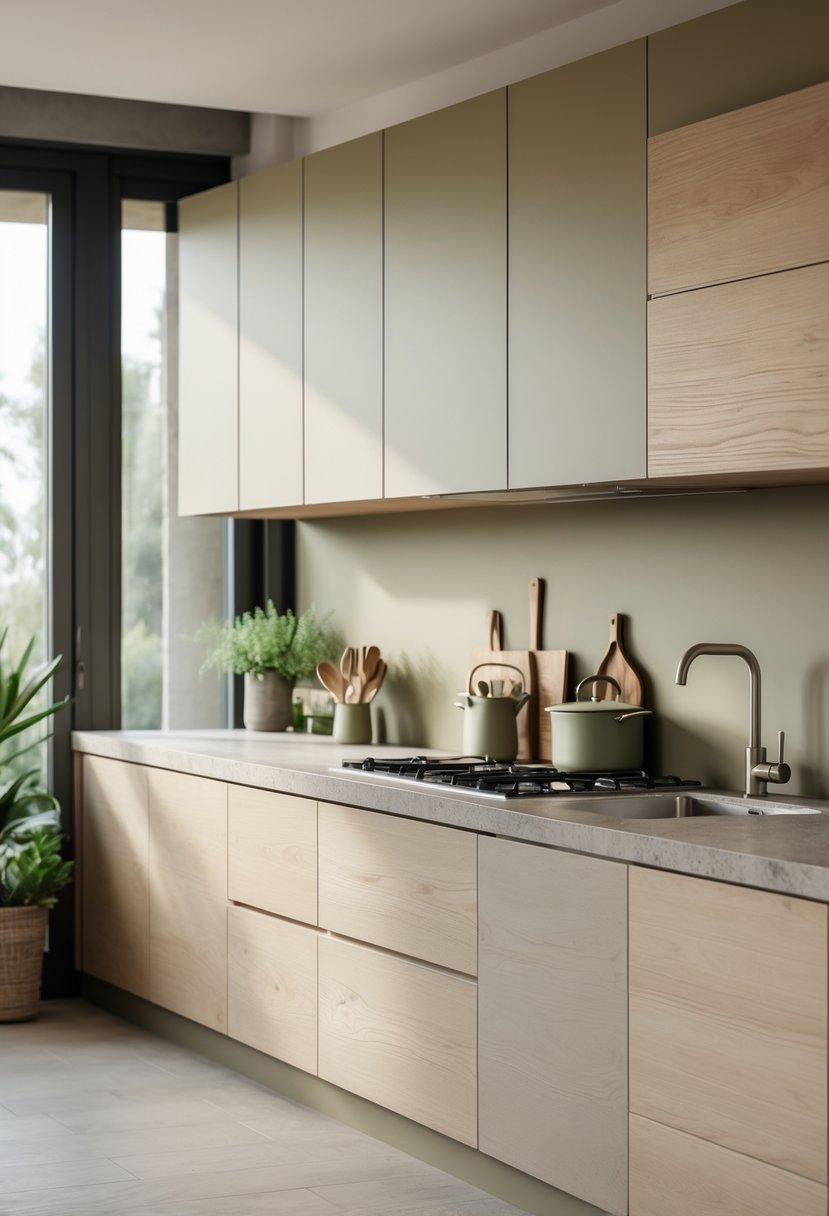
If you want those earthy neutral colors to stay fresh and inviting, a bit of care goes a long way. Protect surfaces from damage and stains, and the kitchen keeps looking good for years.
Care Tips for Neutral Surfaces
Beige, taupe, and soft grey surfaces need a gentle touch. Just use mild detergent, warm water, and a soft cloth for cleaning. Skip the harsh chemicals or abrasive scrubbers—they’ll wear down the finish faster than you think.
For wood or natural stone, wipe spills quickly to avoid lasting damage. Dusting regularly keeps buildup at bay. If you’ve got stone countertops, sealing them once a year helps prevent stains and wear.
Coasters, trivets, and cutting boards are your friends—use them to protect countertops from heat and scratches. A little routine upkeep really helps preserve the kitchen’s warm, earthy vibe.
Preventing Fading and Stains
Direct sunlight fades neutral colors, so blinds or UV-filtering film on windows can help protect paint and cabinetry. Shades that reflect light do a better job at keeping colors from fading.
Clean up spills right away—especially anything acidic, like lemon juice or tomato sauce, since they can leave marks. Avoid strong dyes or colored sauces on unsealed surfaces, if possible.
For fabric or cushioned spots, slipcovers or stain-resistant sprays add extra protection. Staying on top of maintenance and dealing with stains quickly really does extend the life of those earthy finishes.
Inspiration and Trends in Earthy Neutral Kitchens
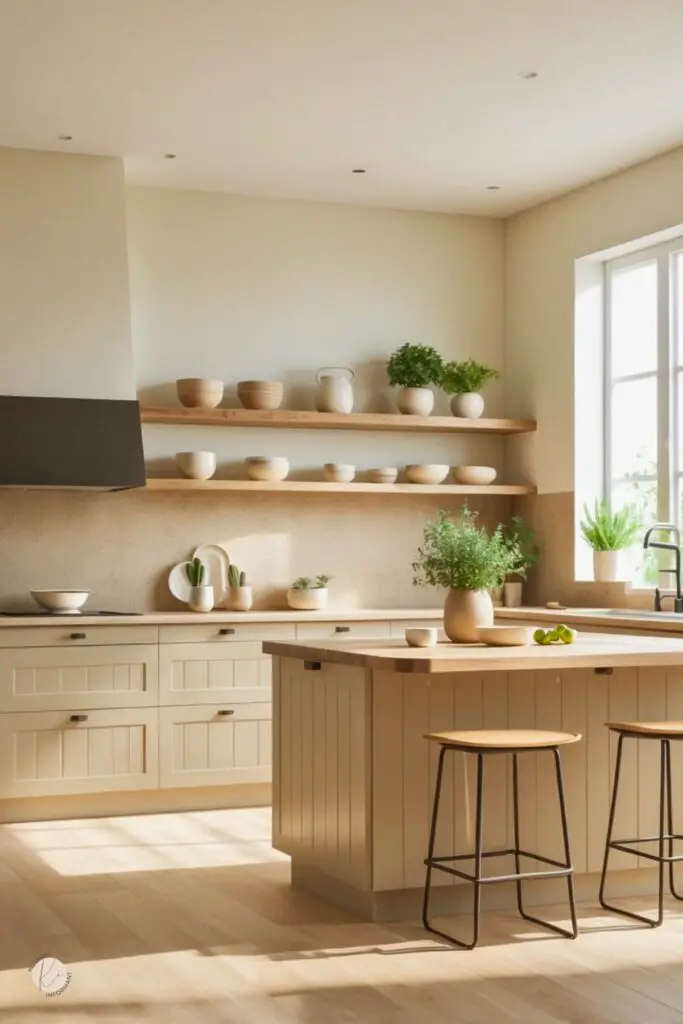
Earthy neutral kitchens tend to mix natural materials and soft, muted colors. There’s a warmth and simplicity to them that’s hard to fake.
Plus, you get room to play, add your own style through textures, shapes, or maybe a cultural touch or two.
Modern Rustic Styles
Modern rustic kitchens love the mix of raw materials and clean lines. Dark woods like walnut or aged oak often stand out against lighter neutral walls or counters. Stone surfaces in beige or taupe bring in texture without taking over.
Lighting usually stays warm and soft, with metals in matte or brushed finishes. Open shelves with handmade ceramics or pottery give off an organic, crafted vibe. This style puts function first but lets natural imperfections and shapes shine through.
Minimalist Approaches
Minimalist kitchens stick with clean surfaces and muted earth colors—soft grays, gentle beiges, warm whites. The aim? Calm, uncluttered spaces. Cabinets and counters have simple lines, with hidden handles or push-to-open tricks.
Natural light matters a lot here, making those neutral tones feel even softer. Materials like smooth concrete or light quarry stone add just enough texture. Accessories are kept spare—maybe a plant or a wooden spoon, and that’s about it.
Global and Eclectic Designs
Global and eclectic kitchens start with earthy neutrals as a base, then layer on cultural patterns and materials. Warm shades like sand and clay pair up with bold textiles, patterned tiles, or a few artisanal baskets.
Natural fibers—rattan, jute, linen—bring in different textures. You’ll often see pottery or hand-forged utensils from around the world, adding interest but keeping the look grounded. This way, tradition and modern design meet in the middle.
Conclusion
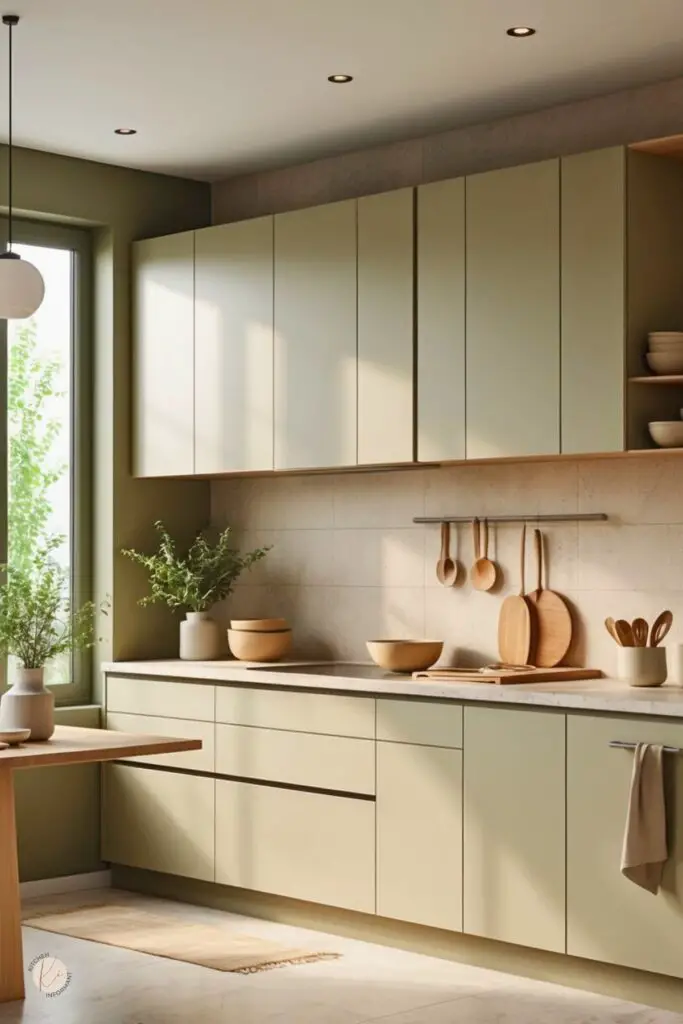
Earthy neutral kitchen colors like beige, cream, taupe, soft grey, and those quiet greens just feel inviting. They mix together and give the whole space an easy, balanced vibe without much effort.
When you go with these shades, the kitchen feels grounded and kind of timeless. Wood and stone details pop more, so the room doesn’t just look good, it actually works for daily life.
Picking an earthy neutral palette makes things flexible. You can shift between styles or moods without a fuss. Whether you put these hues on the walls, cabinets, or even the backsplash, they always seem to bring a bit of calm.
Benefits of earthy neutral colors:
- Make the kitchen cozy and welcoming
- Let the natural beauty of the room come through
- Give you a base that goes with pretty much any design
These colors really suit anyone who likes things simple or feels drawn to nature. They’re not just a passing trend—maybe they’re the right choice if you want a kitchen that feels peaceful and real.
You May Also Like: